Flat & Low-Slope Roofing
Roofing for additions, porches, garages, and commercial buildings where standard shingles aren't the right system.
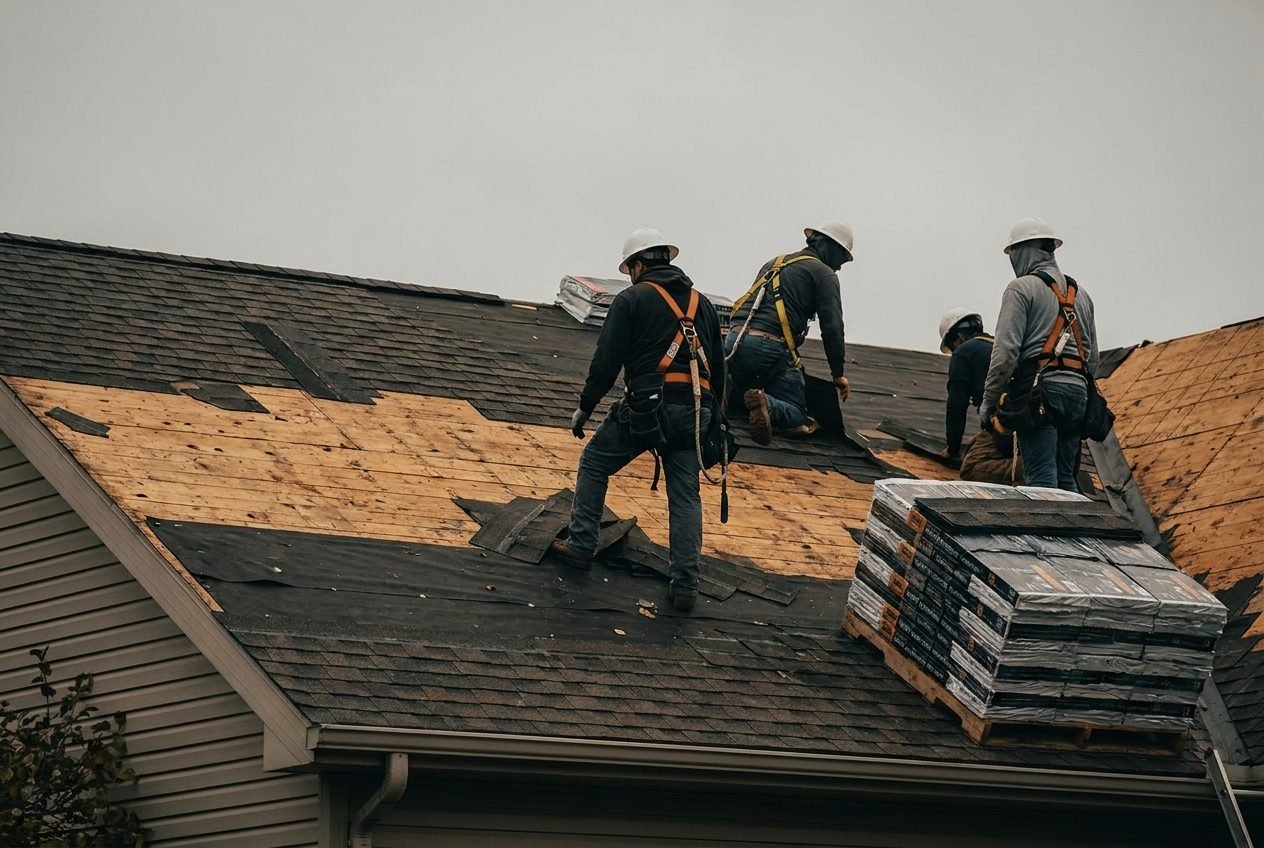
Not every roof is built for shingles
Additions, porch roofs, garage tie-ins, and most commercial buildings have slopes too shallow for standard asphalt shingles to shed water reliably. These sections need a membrane system instead — TPO, EPDM rubber, or modified bitumen, depending on the application, budget, and how the section ties into the rest of the structure.
We install and repair all three of the common systems and will tell you plainly which one fits your specific situation rather than defaulting to whichever material is easiest for us to install. Drainage design matters as much as the membrane itself on a flat or low-slope section — a correctly chosen material on a poorly sloped substrate will still pond water and fail early.
Why the membrane choice matters
- Straight guidance on TPO versus EPDM versus modified bitumen for your specific application
- Drainage and slope assessment before installation, not just membrane replacement over the same problem
- Seam and flashing detail at transitions to pitched roof sections, a common failure point
- Repair options for smaller sections, not just full membrane replacement
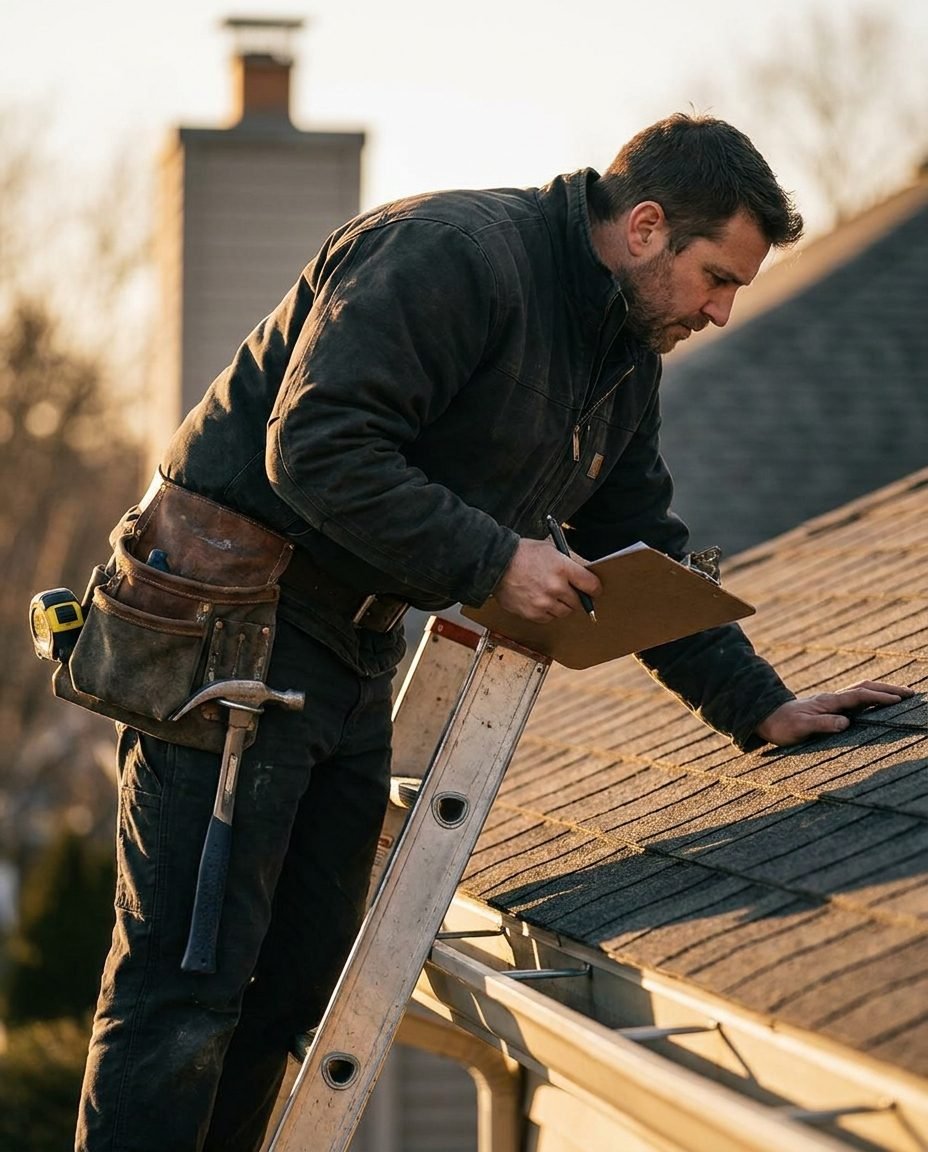
Flat and low-slope roofing, done right.
Assessment
We evaluate the current membrane, substrate, and drainage before recommending a system.
Material recommendation
A specific membrane type recommended for your section's size, exposure, and budget.
Substrate prep
Insulation and cover board addressed where needed for proper drainage and R-value.
Membrane installation
Fully adhered, mechanically attached, or torch-applied depending on the system specified.
Transition detailing
Careful flashing where the low-slope section meets pitched roofing or walls.
Where flat roofing shows up most in North Indy
We see flat and low-slope sections most often on home additions, sunrooms, and attached garages where the roofline transitions from the main pitched structure — a very common configuration on the ranch and mid-century homes found throughout Hamilton and Marion County. These transitions are also where we find the most leaks, since they involve two different roofing systems meeting at a single line.
Ponding water is the leading cause of premature membrane failure on flat sections. If water is regularly standing for more than 48 hours after rain, the underlying slope or drainage — not just the membrane — usually needs to be addressed as part of the repair.