How to Choose a Roofing Contractor (and Red Flags to Avoid)
Roofing has more than its share of bad actors, especially after storms — here's how to tell a legitimate contractor from a problem waiting to happen.
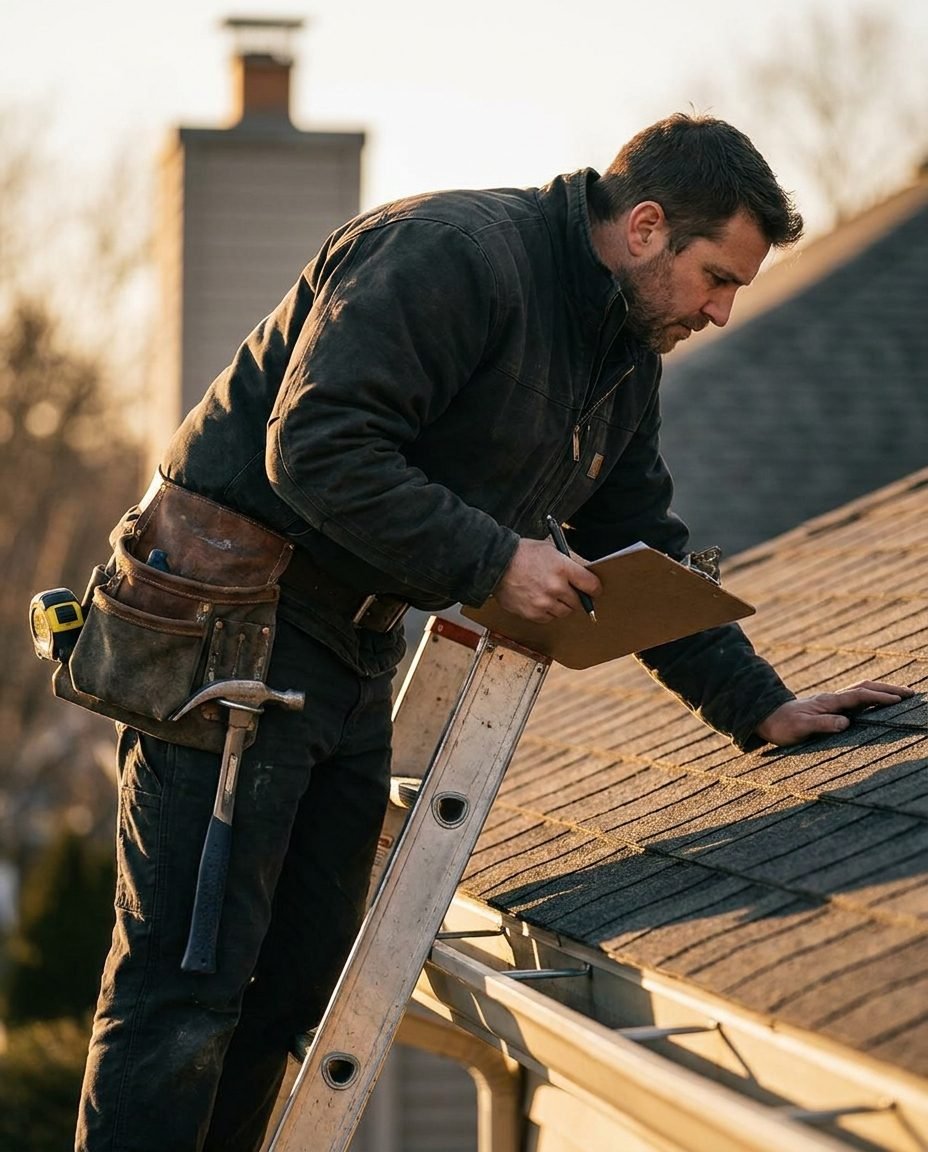
What a legitimate contractor looks like
Proper licensing and insurance (and a willingness to show you proof, not just claim it), a physical local presence rather than an out-of-town or unverifiable address, itemized written estimates instead of vague lump-sum numbers, and a workmanship warranty they'll put in writing are the basics that separate an established local contractor from a fly-by-night operator.
Red flags, especially after storms
Door-to-door solicitation immediately following a storm, pressure to sign a contract same-day, requests for full payment upfront before any work begins, and any contractor who tells you your insurance will cover 100% of the cost before they've even seen the damage are the classic warning signs of 'storm chaser' operations that follow severe weather from town to town and disappear once warranty issues surface. Our own guidance is straightforward: a contractor who won't wait a day for you to think it over isn't one you want on your roof.
Questions worth asking directly
How long has the company operated in this specific area (not just generally)? Can they provide local references? What's the workmanship warranty length and what does it cover? Who handles the work — employees or subcontractors — and does that affect the warranty? A contractor confident in their work answers these plainly, without redirecting or pressuring you to move past the questions.