Roofing Underlayment: Felt vs. Synthetic vs. Ice & Water Shield
The layer between your shingles and the deck does most of the actual waterproofing work — here's what the different types offer.
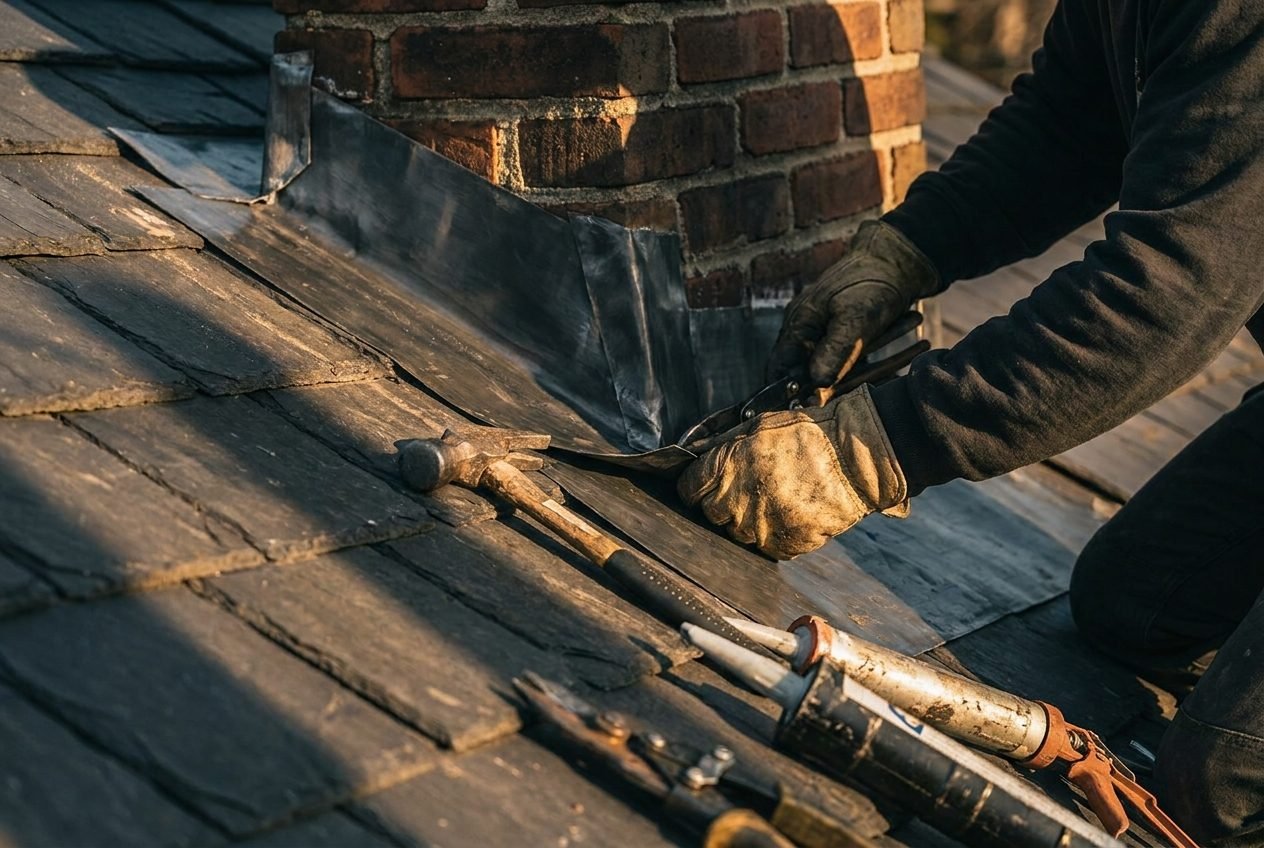
Underlayment's job is bigger than most homeowners realize
Shingles shed the majority of water, but underlayment is the actual waterproof barrier underneath them — it's what protects the roof deck if wind drives water under a shingle edge, or during the window between tear-off and shingle installation on install day. The underlayment choice matters more than most homeowners assume when comparing quotes.
Felt underlayment
Traditional felt underlayment, sometimes called tar paper, has been used for decades and is still code-compliant in most areas. It's functional but tears more easily during installation, absorbs some moisture, and has generally been phased out in favor of synthetic products on new installations, though it's still occasionally specified for cost reasons.
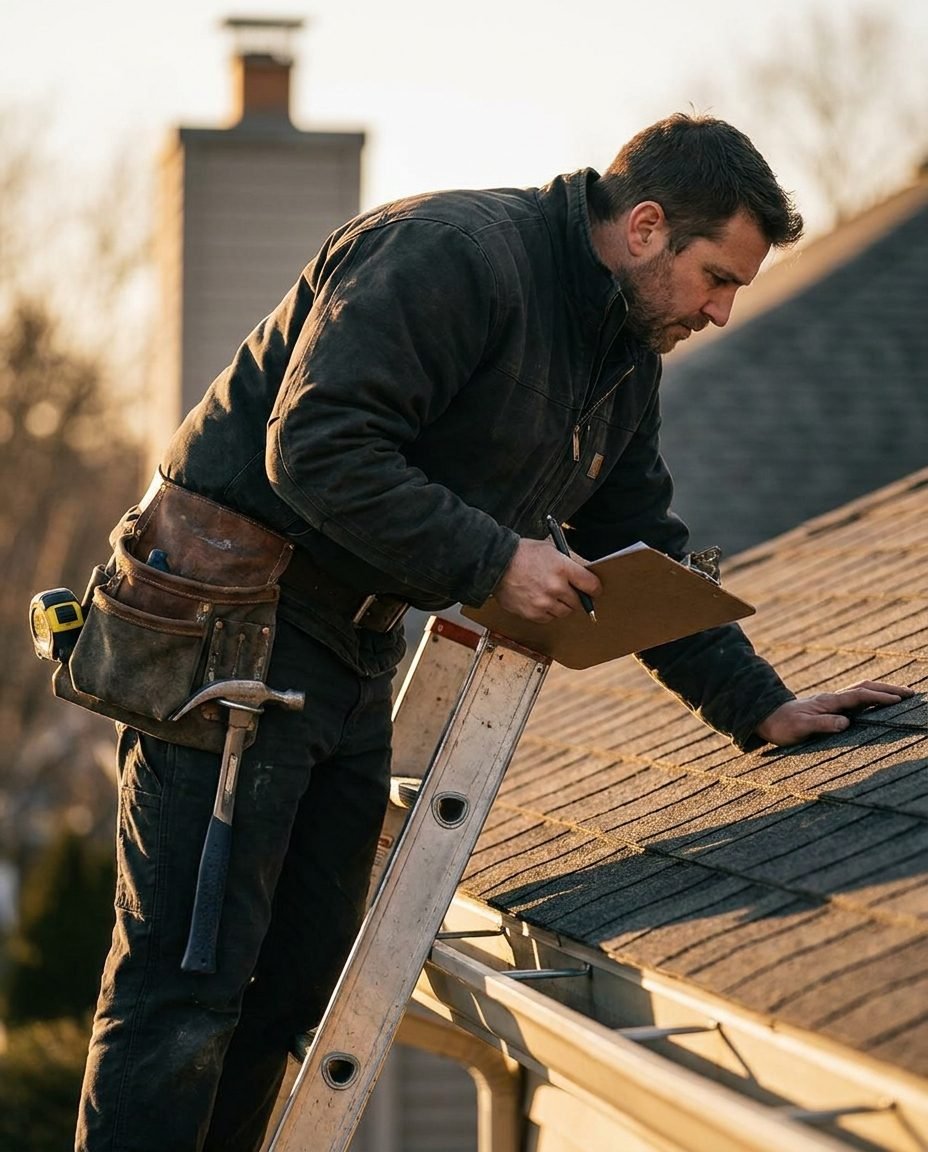
Synthetic underlayment
Synthetic underlayment is now the standard choice on most roofs we install — it's lighter, stronger, more tear-resistant during installation, and holds up better to UV exposure if the roof sits uncovered for a day or two during the project. It also provides better footing traction for the crew during installation, which is a real safety consideration on steeper roofs.
Ice & water shield
Ice and water shield is a self-adhering, more robust membrane used specifically at vulnerable areas — eaves, valleys, and around penetrations like chimneys and skylights — where ice dam backup or heavy water flow is most likely. In Indiana's climate, code typically requires it at the eaves specifically because of ice dam risk, and we install it at valleys and penetrations as standard practice even where not strictly required.