Understanding Roof Pitch and How It Affects Your Project
Pitch is one of the most underappreciated factors in roofing cost and material choice — here's what it actually means and why it matters.
What pitch actually measures
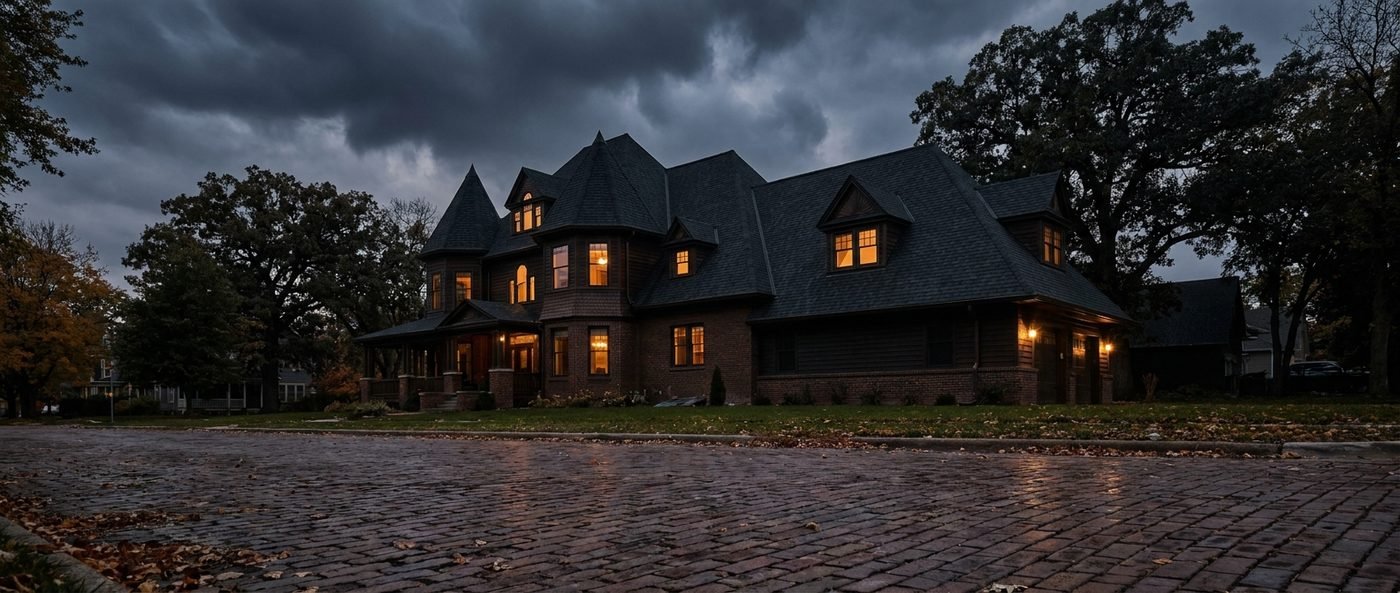
Roof pitch is expressed as a ratio of vertical rise to horizontal run, commonly written as something like 6:12 — meaning the roof rises 6 inches for every 12 inches of horizontal distance. Low-slope roofs (roughly 2:12 to 4:12) are common on ranch-style homes; moderate pitches (5:12 to 9:12) are typical for most traditional homes; steep pitches (10:12 and above) show up more often on architecturally distinctive homes, including many of the historic and custom builds around Zionsville and Geist.
Why steeper roofs cost more
Steeper roofs require different, more time-intensive safety staging (harnessing, roof jacks, scaffolding in some cases), which directly adds labor cost. Material handling is slower and more physically demanding on steep pitches. Some material types also have minimum pitch requirements — certain shingle products aren't rated for very low-slope applications without additional underlayment measures.
How pitch affects material choice
Very low-slope roofs (under roughly 2:12) generally can't use standard asphalt shingles at all and need a different roofing system designed for minimal drainage slope. Steep pitches handle water and snow shedding more effectively than low-slope roofs, which is part of why ice dam risk (see our ice dam guide) tends to concentrate more on lower-pitch sections of a complex roofline.