Attic Ventilation Installation
Ridge vents, soffit intake, and attic fans — the overlooked system that quietly determines how long your shingles actually last.
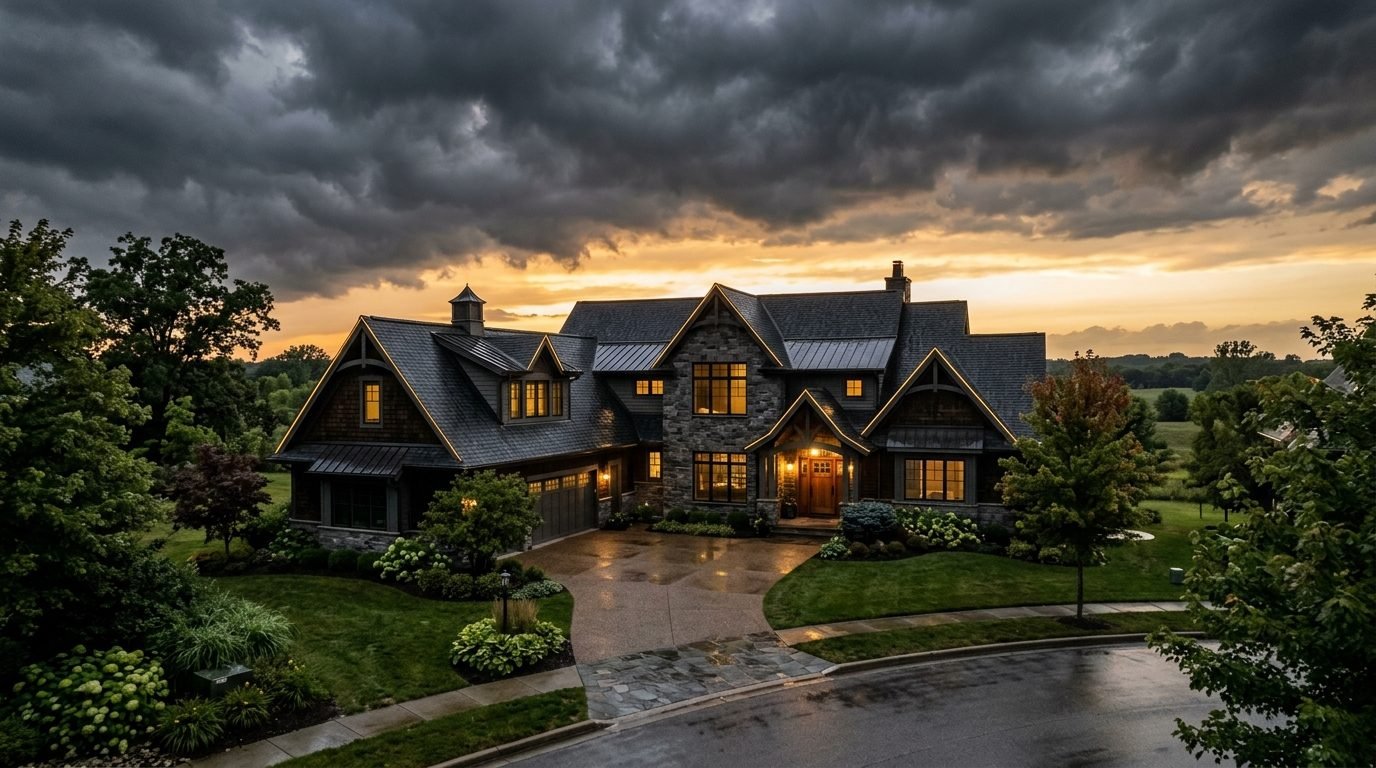
The roof system most homeowners never think about
Attic ventilation doesn't get much attention until something goes wrong, but it's one of the biggest factors in how long a roof actually lasts. A hot, poorly ventilated attic bakes shingles from underneath in summer and traps moisture in winter, both of which shorten shingle life well below its rated warranty. Good ventilation is a balance of intake at the soffit and exhaust at the ridge, working together as one system.
We install and correct ventilation on both new roofs and existing ones where the current setup clearly isn't working — visible ice damming in winter, a noticeably hot upstairs in summer, or musty attic odor are all signs the intake-to-exhaust balance is off. We assess the whole system rather than just adding a single vent and hoping it helps.
What proper attic ventilation actually requires
- Balanced intake (soffit) and exhaust (ridge) sized correctly for your attic's square footage
- Diagnosis of existing ventilation problems, not just installation of new vents on top of a broken system
- Options across ridge vent, box vents, and powered attic fans depending on roof design
- Explanation of how ventilation connects to your shingle warranty terms
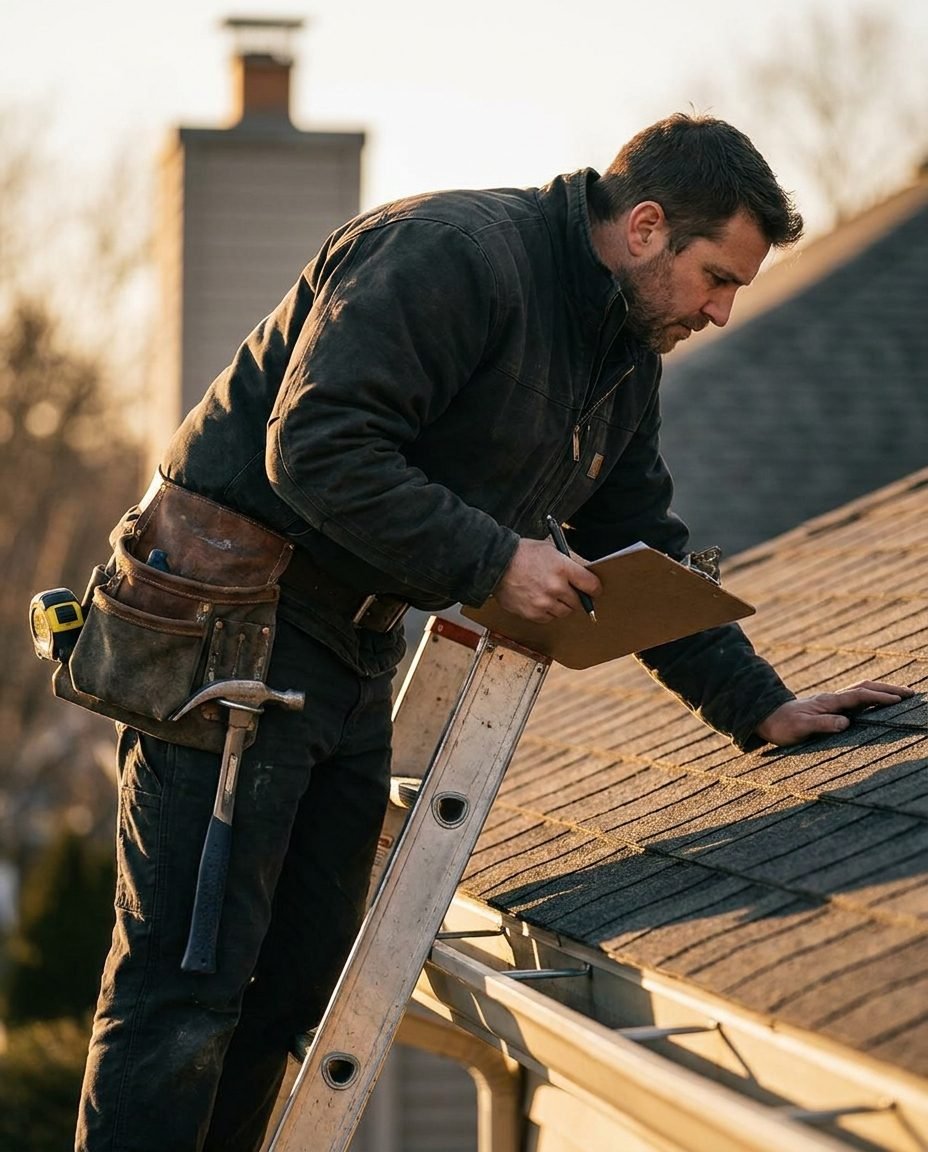
Attic ventilation, assessed and corrected.
Attic assessment
We check current intake and exhaust, insulation placement, and any signs of moisture or heat damage.
Calculation
Required ventilation is calculated based on attic square footage per building code and manufacturer guidance.
System design
A specific mix of soffit intake and ridge or box vent exhaust is recommended for your roof.
Installation
Vents are installed and integrated with roofing material for a weathertight result.
Verification
We confirm the balance is correct before considering the job complete.
Why this matters more in Indiana than milder climates
Central Indiana's summer heat and winter cold both put attic ventilation to the test in different ways. In summer, poor ventilation traps heat that accelerates shingle aging from underneath. In winter, warm, moist attic air that can't escape properly contributes directly to ice dam formation along the eaves, which is one of the most common winter callouts we get across North Indy.
Most shingle manufacturers require adequate attic ventilation as a condition of their full warranty coverage, though this detail is often buried in the fine print and rarely explained at the time of a roof installation. If your attic isn't properly ventilated, you could be voiding part of your shingle warranty without knowing it.