Ice Dam Removal
Safe removal of dangerous ice buildup along your roofline, plus the ventilation fix that keeps it from happening again next winter.
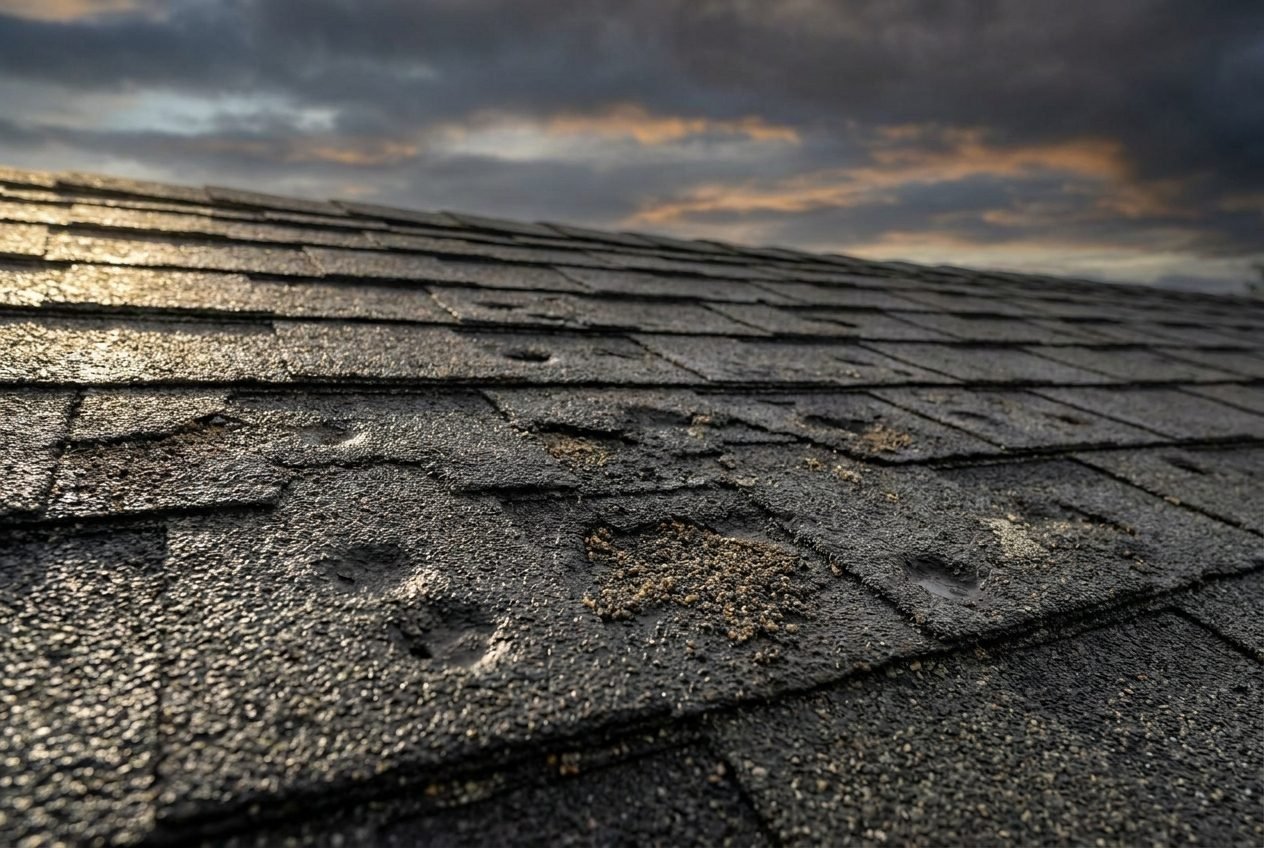
Removing the ice safely, then fixing why it formed
An ice dam forms when heat escaping from the attic melts snow on the upper roof, which then refreezes at the colder eave and gutter line, building a ridge of ice that backs water up under your shingles. We remove ice dams using methods that don't damage the roof surface underneath — not a hammer or ice pick, which causes more harm than the ice itself.
Removing the dam solves the immediate problem, but it doesn't stop it from forming again next cold snap. We always pair removal with a conversation about the attic ventilation and insulation issue that's actually causing the heat loss in the first place, since that's the only way to actually prevent recurrence rather than just managing the symptom every winter.
How we handle ice dam calls
- Removal methods that don't damage shingles or the roof deck underneath the ice
- Assessment of the ventilation or insulation issue actually causing the dam to form
- Priority scheduling during active ice-dam weather, since delay increases interior water risk
- Follow-up recommendations to prevent recurrence, not just a one-time fix
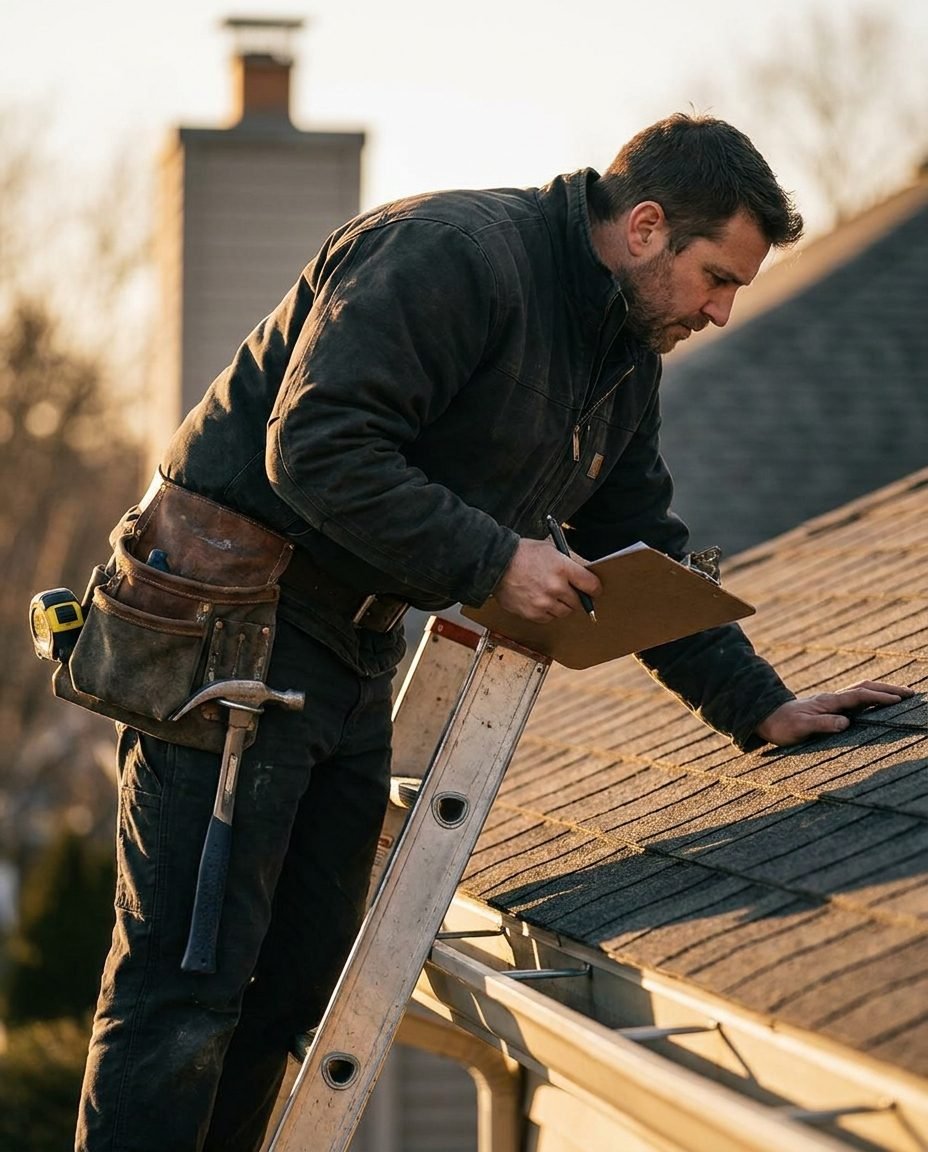
Ice dam service, removal and prevention.
Urgent assessment
We prioritize calls with active interior water intrusion or visible ice buildup risk.
Safe removal
Ice is removed using methods that protect the shingle surface and roof deck underneath.
Damage check
We check for any water intrusion or shingle damage caused by the dam before it was removed.
Root cause diagnosis
Attic ventilation and insulation are assessed for the heat-loss pattern causing dam formation.
Prevention plan
Specific ventilation or insulation recommendations to reduce recurrence next winter.
Why ice dams happen here, and how to actually stop them
Central Indiana's winter pattern — repeated freeze-thaw cycles rather than one long deep freeze — is close to ideal conditions for ice dam formation, since it creates the melt-and-refreeze cycle at the eave over and over through the season rather than just once. Homes with inadequate attic ventilation or insufficient attic floor insulation are affected the most.
The actual fix for recurring ice dams is almost always attic-side, not roof-side — sealing air leaks from the living space into the attic, adding insulation, and balancing ventilation reduces the heat loss that causes the melt-refreeze cycle in the first place. Ice dam removal without addressing this just means calling us again next cold snap.