Emergency Roof Tarping
Fast, temporary weatherproofing after storm damage or a sudden leak, while a permanent repair is scoped and scheduled.
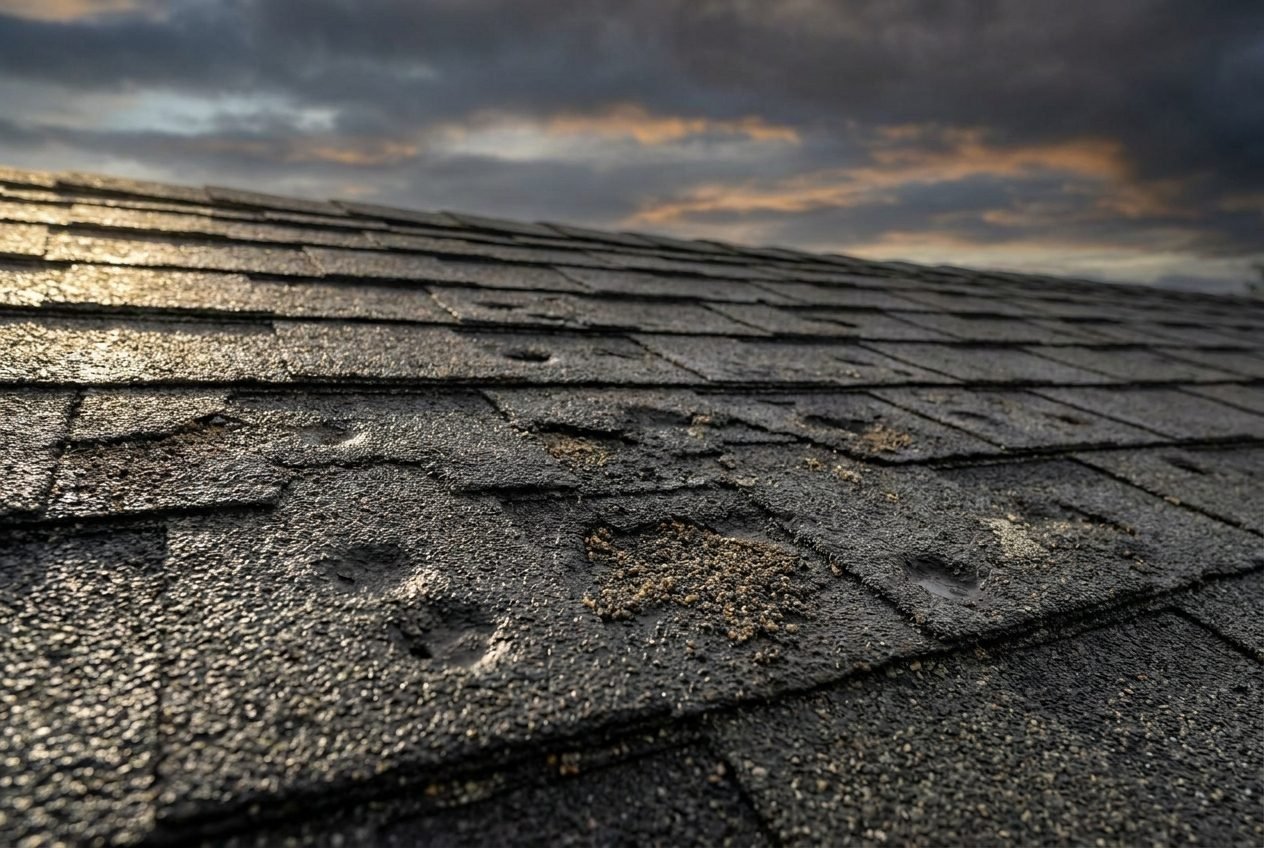
Stopping water intrusion is the first priority
When a tree limb, wind gust, or hail event opens up your roof, the immediate priority isn't a full repair — it's stopping water from entering the home while a proper repair is scoped, materials are sourced if needed, and any insurance documentation is gathered. A correctly installed emergency tarp buys that time without causing additional damage to the roof itself.
We install tarps properly — secured through the roof deck at the perimeter with battens rather than just weighted down or nailed loosely at the edges, which is what actually keeps a tarp in place through subsequent wind and rain rather than becoming its own hazard days later.
What proper emergency tarping involves
- Fast response, typically same-day or next-day for active water intrusion
- Tarps secured with battens through the deck, not just weighted at the corners
- Photo documentation of the damage before covering, useful for your insurance claim
- A clear next step scheduled for permanent repair, not just a tarp and silence
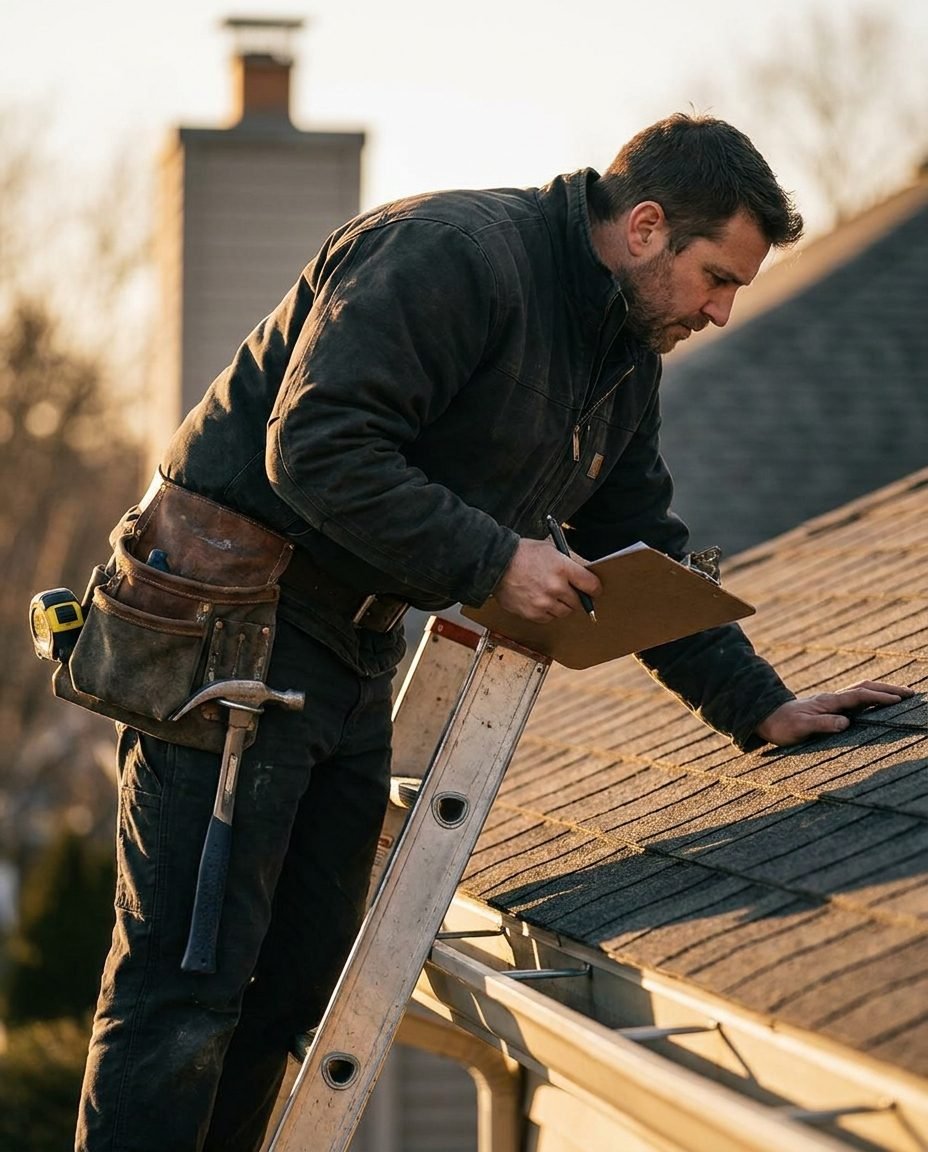
Emergency tarping, from call to cover.
Call & triage
We assess urgency over the phone and prioritize active water intrusion.
Damage documentation
Photos taken before covering, useful for insurance claim documentation.
Tarp installation
Secured through the roof deck with battens for a hold that lasts through subsequent weather.
Scope for permanent repair
We discuss and schedule the actual repair or replacement while the tarp holds.
Insurance coordination
If applicable, we help document the emergency measure for your claim.
When to call for emergency tarping
Active water entering the home, a visible hole from fallen debris, or a large section of shingles blown off in a storm all warrant an emergency call rather than waiting for a standard inspection appointment. Central Indiana's spring and early summer storm season is when we see the most emergency tarping requests, but wind and tree damage can happen any time of year.
Most homeowner insurance policies expect reasonable steps to be taken to prevent further damage after a covered event, and a documented emergency tarp is typically viewed favorably in that context — versus leaving an opening exposed, which can complicate a claim if the damage worsens before repairs begin.