How Poor Attic Ventilation Raises Your Energy Bills
A hot, poorly ventilated attic doesn't just shorten shingle life — it raises your cooling bill every summer it stays that way.
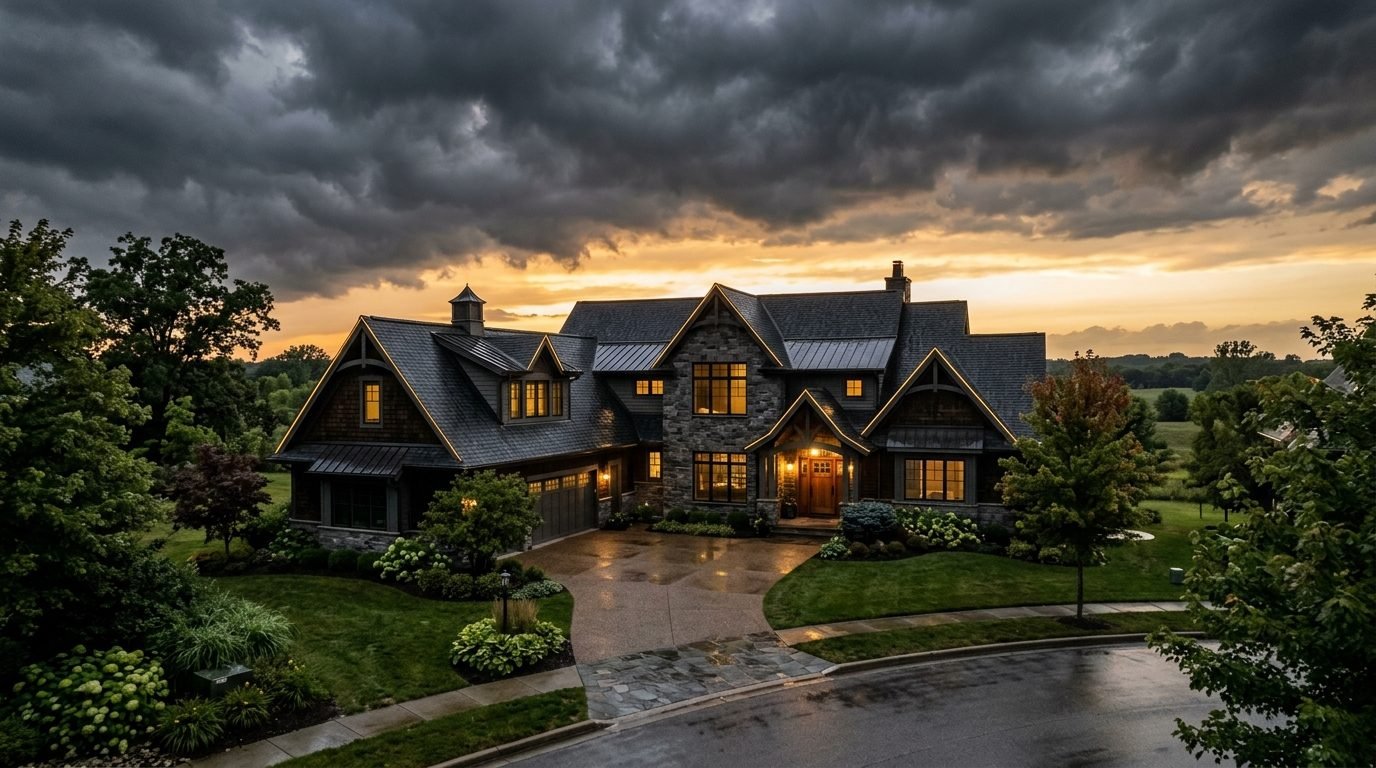
The mechanism, briefly
An attic with inadequate ventilation traps solar heat that builds up through the roof surface all day, sometimes reaching well over 130 degrees on summer afternoons. That heat radiates downward into the living space below, forcing your air conditioning to work harder to maintain the same indoor temperature — a direct, measurable effect on your cooling bill.
Why insulation alone doesn't solve it
Insulation slows heat transfer, but it doesn't eliminate it, and an extremely hot attic will still push heat into living space over time even with good insulation. Ventilation addresses the problem differently — by actually moving hot air out of the attic through convection, rather than just slowing its transfer through the ceiling.
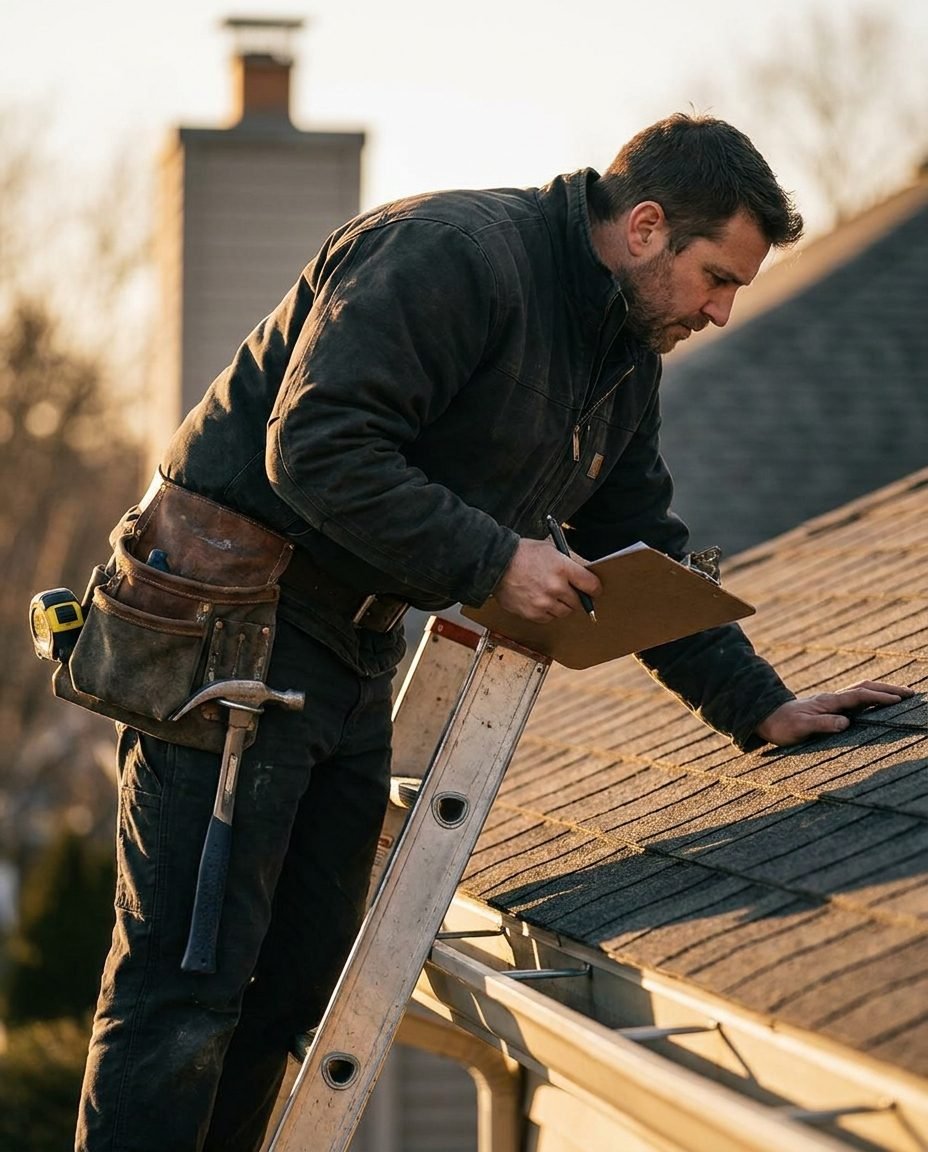
The intake and exhaust balance
Effective ventilation requires both intake, usually at the soffit, and exhaust, usually at the ridge, working together. Exhaust vents without adequate intake can't function properly, since there's no fresh air being pulled in to replace the hot air leaving — this imbalance is one of the most common issues we find when assessing underperforming attics.
What a correction typically involves
Adding soffit vents where intake is inadequate, upgrading to continuous ridge vent where box vents are currently used, or in some cases adding a properly sized attic fan for attics where passive ventilation alone isn't sufficient. We calculate the required ventilation based on your specific attic square footage rather than guessing.