Gutter Guards and Ice Dams: What They Can and Cannot Do
Gutter guards can reduce debris, but they do not create attic ventilation or guarantee that winter water will not freeze at the eaves.
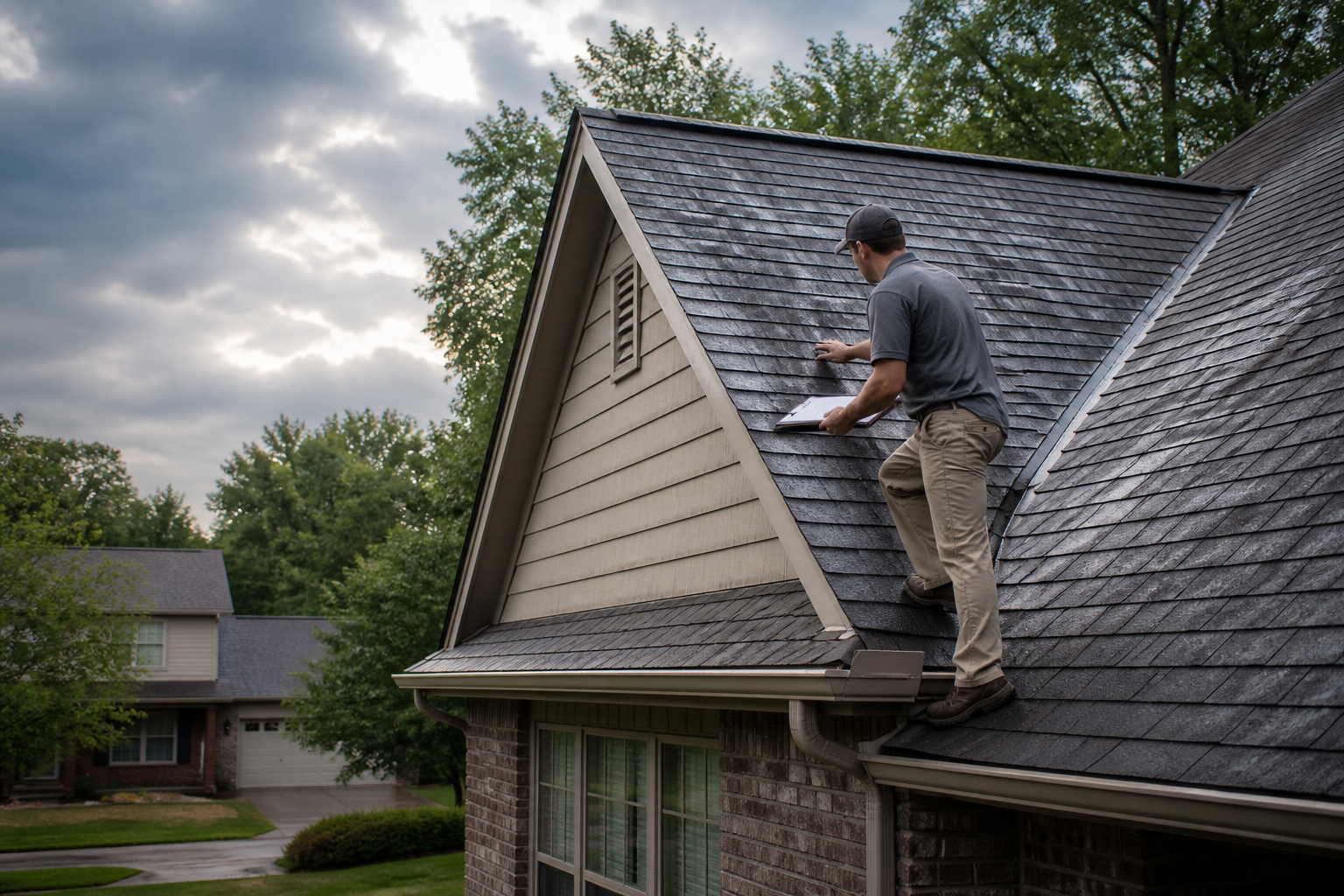
Ice dams form when snow melts on warmer roof areas and refreezes at colder eaves. Attic heat loss, roof geometry, insulation, ventilation, weather, and drainage all influence the problem. A guard may change debris behavior but cannot correct the heat path.
What to look for
Before adding guards, inspect the gutter slope, fascia, downspouts, roof edge, attic intake, and insulation. A guard installed over a sagging or undersized gutter can hide a problem until winter.
Choose a system that can be inspected and maintained. Fine screens, surface tension products, and mesh all have tradeoffs with pine needles, shingle granules, and snow movement.
What to do next
Use the checklist below to make the next conversation specific. If the condition is active, unsafe, or connected to a storm, move the inspection up the calendar.
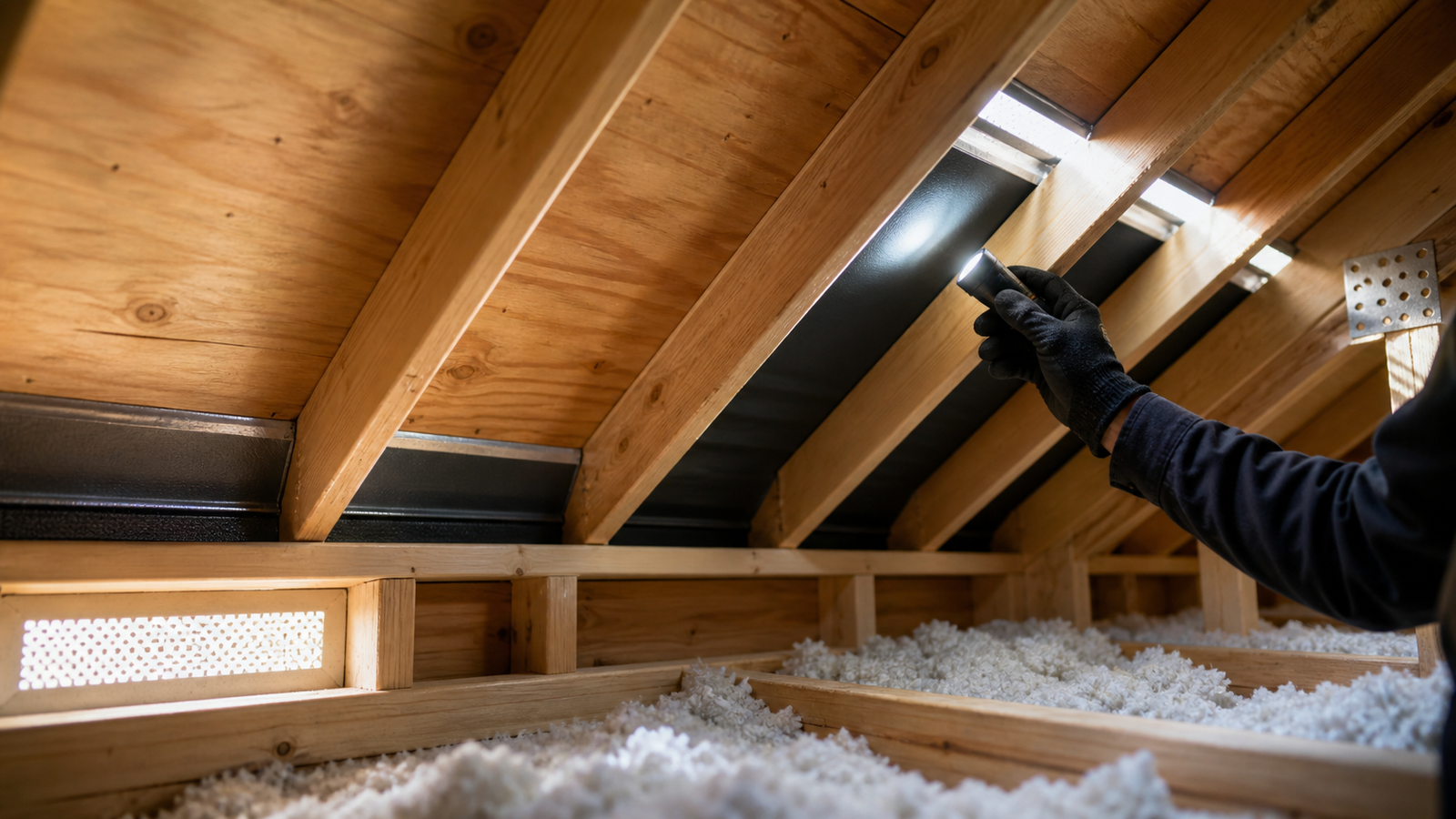
Keep the next step concrete.
- ✓The durable ice-dam plan usually combines roof, attic, and drainage work rather than relying on one accessory.
- ✓Record the date, roof area, and weather or symptom that prompted the question.
- ✓Keep photos, invoices, and written recommendations with the roof file.
- ✓Ask when the issue needs professional roof access instead of ground-level monitoring.
Gutter guard installation
North Indy Roof Co. can inspect the roof edge and help decide whether guards, repair, replacement, or attic corrections make sense.
Explore the serviceTurn the answer into a roof decision.
Use the related service pages for a property-specific conversation, then keep learning with the guides that answer the questions homeowners ask before they call.