How to Read a Roof Inspection Report
A roof report is most useful when you can tell what was observed, what is suspected, what is urgent, and what action is recommended.
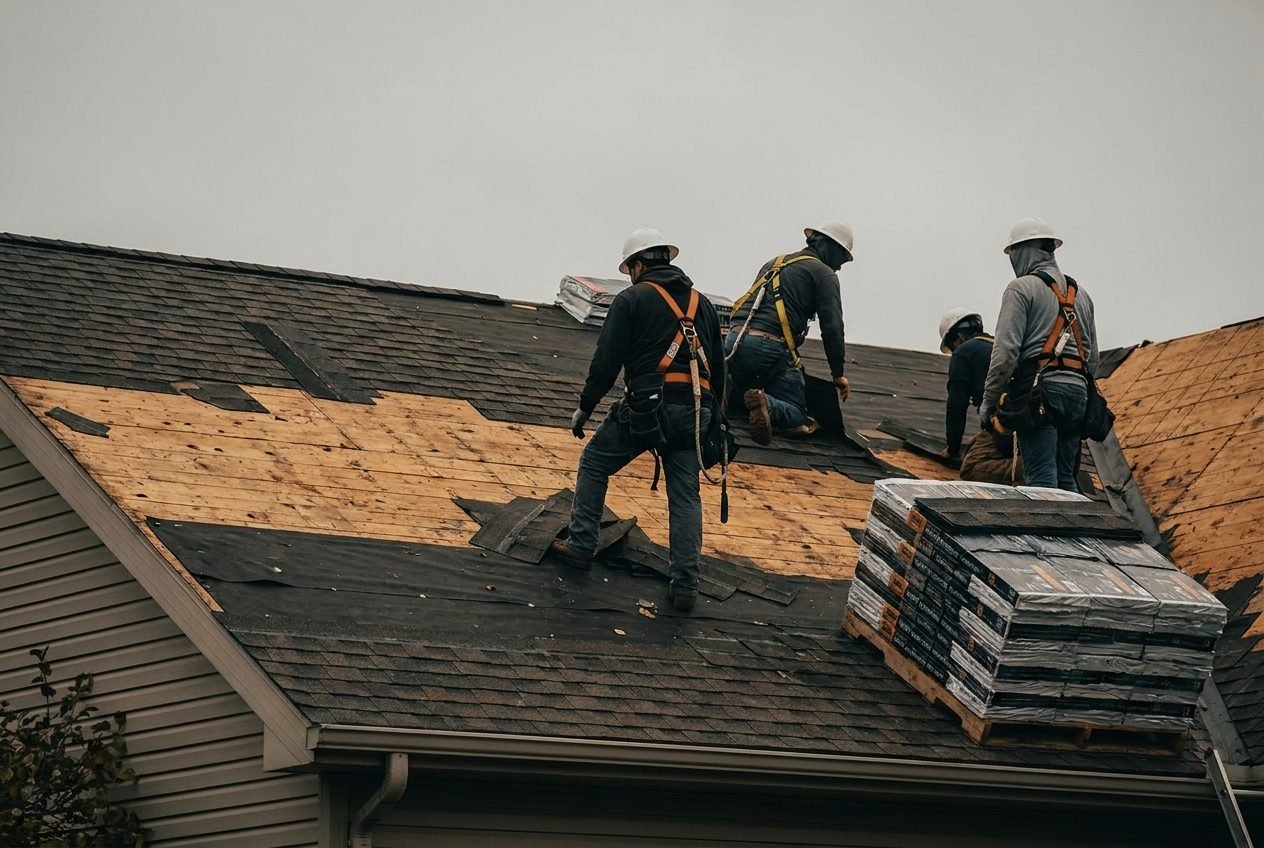
Start with the roof age or condition summary, then read the limitations section. Note whether the inspector walked the roof, used a drone, entered the attic, or could not access areas. Limitations change how much confidence to place in a conclusion.
What to look for
Translate general phrases into locations: 'flashing concern' at which wall or chimney? 'Limited remaining life' on which slope? 'Monitor' for how long and under what conditions? Ask for photos that connect the phrase to the property.
Separate active leaks, safety concerns, maintenance items, and replacement planning. A report can include all four without saying the home needs an immediate full replacement.
What to do next
Use the checklist below to make the next conversation specific. If the condition is active, unsafe, or connected to a storm, move the inspection up the calendar.
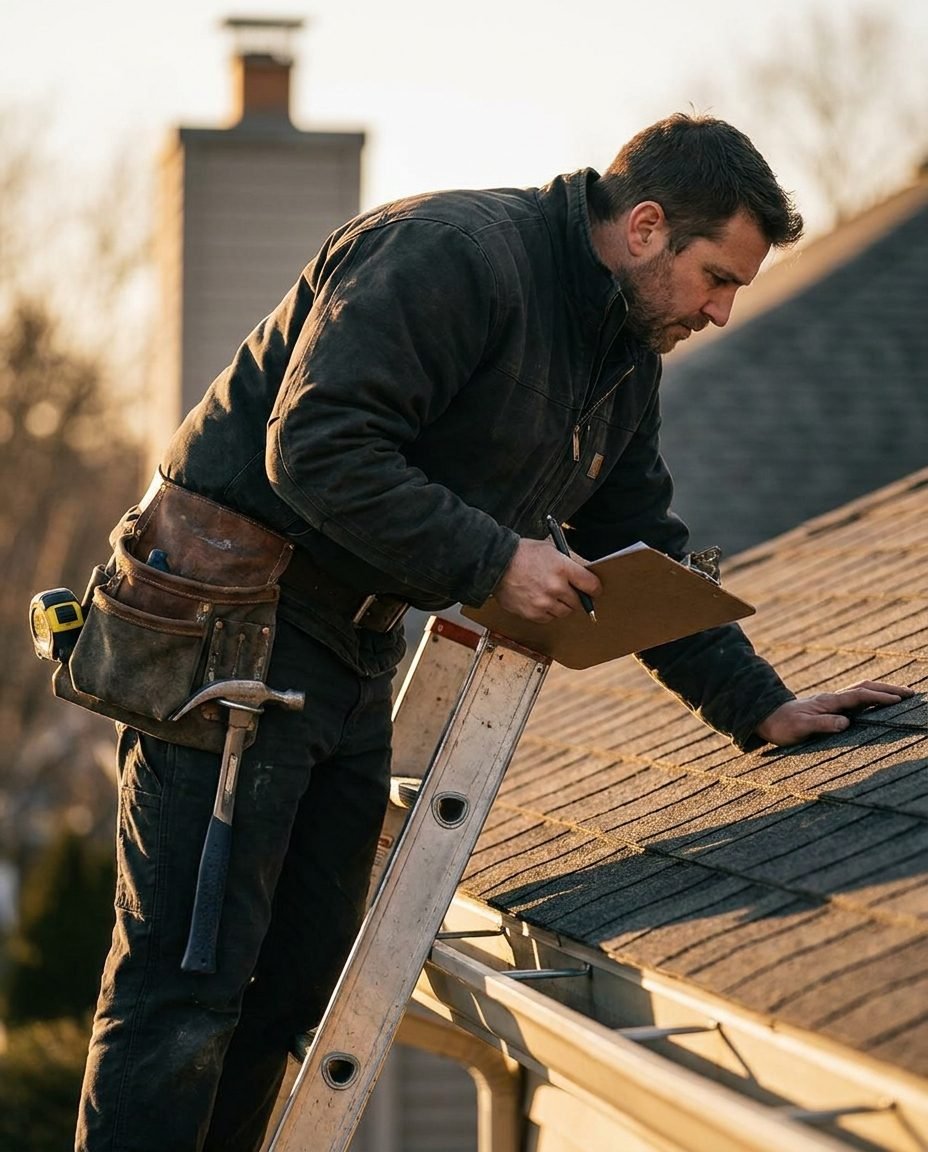
Keep the next step concrete.
- ✓When a recommendation is expensive, request a focused roofing estimate that follows the report's locations and explains the repair-versus-replace decision.
- ✓Record the date, roof area, and weather or symptom that prompted the question.
- ✓Keep photos, invoices, and written recommendations with the roof file.
- ✓Ask when the issue needs professional roof access instead of ground-level monitoring.
Roof inspection before buying
A second opinion is most helpful when it responds to specific report language instead of repeating a generic sales presentation.
Explore the serviceTurn the answer into a roof decision.
Use the related service pages for a property-specific conversation, then keep learning with the guides that answer the questions homeowners ask before they call.