Open vs. Closed Roof Valleys
Roof valleys concentrate water from two slopes. Open and closed valley designs can both work when the underlayment, flashing, shingle layout, and drainage details are installed correctly.
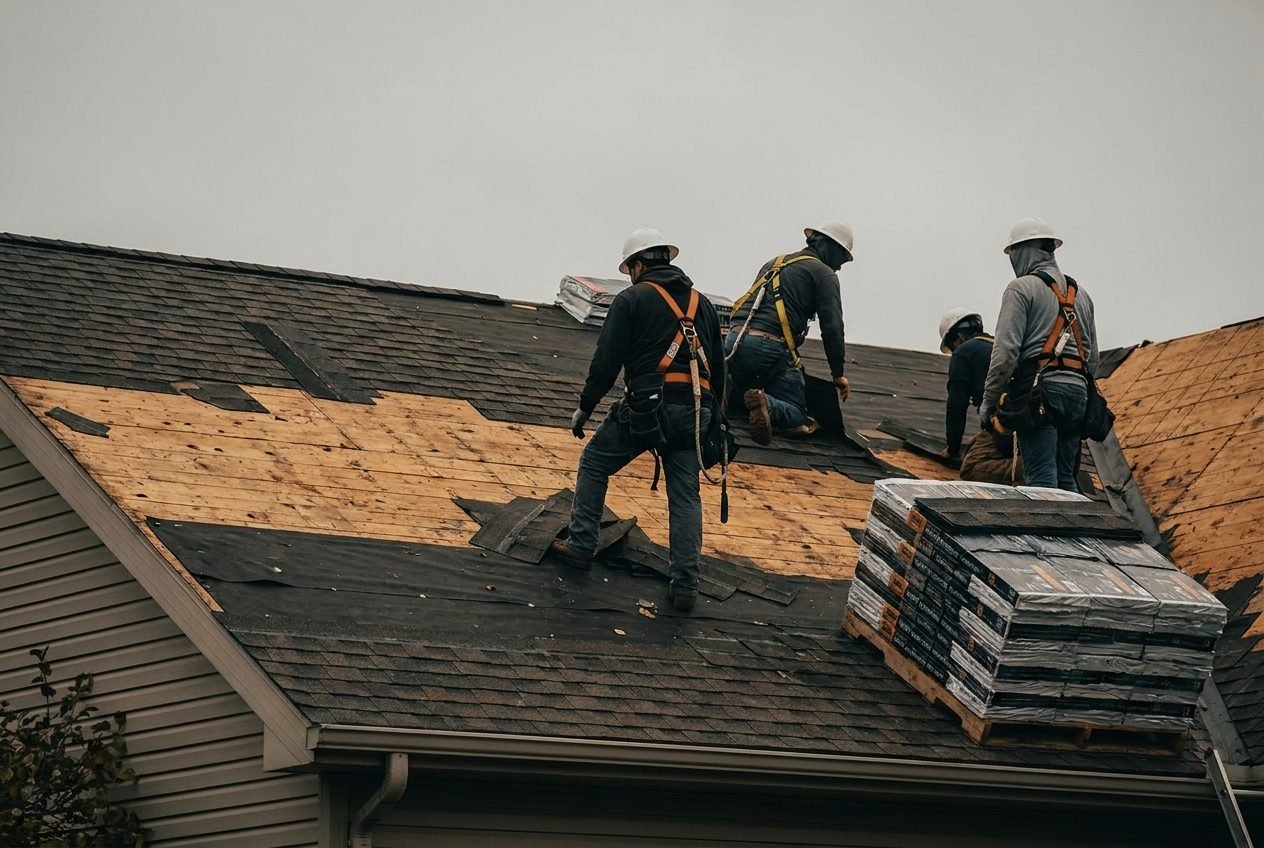
An open valley leaves a visible strip of metal or membrane between roof planes. A closed valley carries the roof covering across the valley in a specific pattern. The choice affects appearance, maintenance, repair access, and how the roof handles concentrated runoff.
What to look for
Debris, ice, poor cuts, exposed fasteners, and insufficient underlayment can damage either design. The valley should be checked after storms and when you see granule buildup or interior staining below it.
A replacement estimate should identify valley treatment rather than assuming all roof areas use the same installation. The detail matters even when the rest of the roof is straightforward.
What to do next
Use the checklist below to make the next conversation specific. If the condition is active, unsafe, or connected to a storm, move the inspection up the calendar.
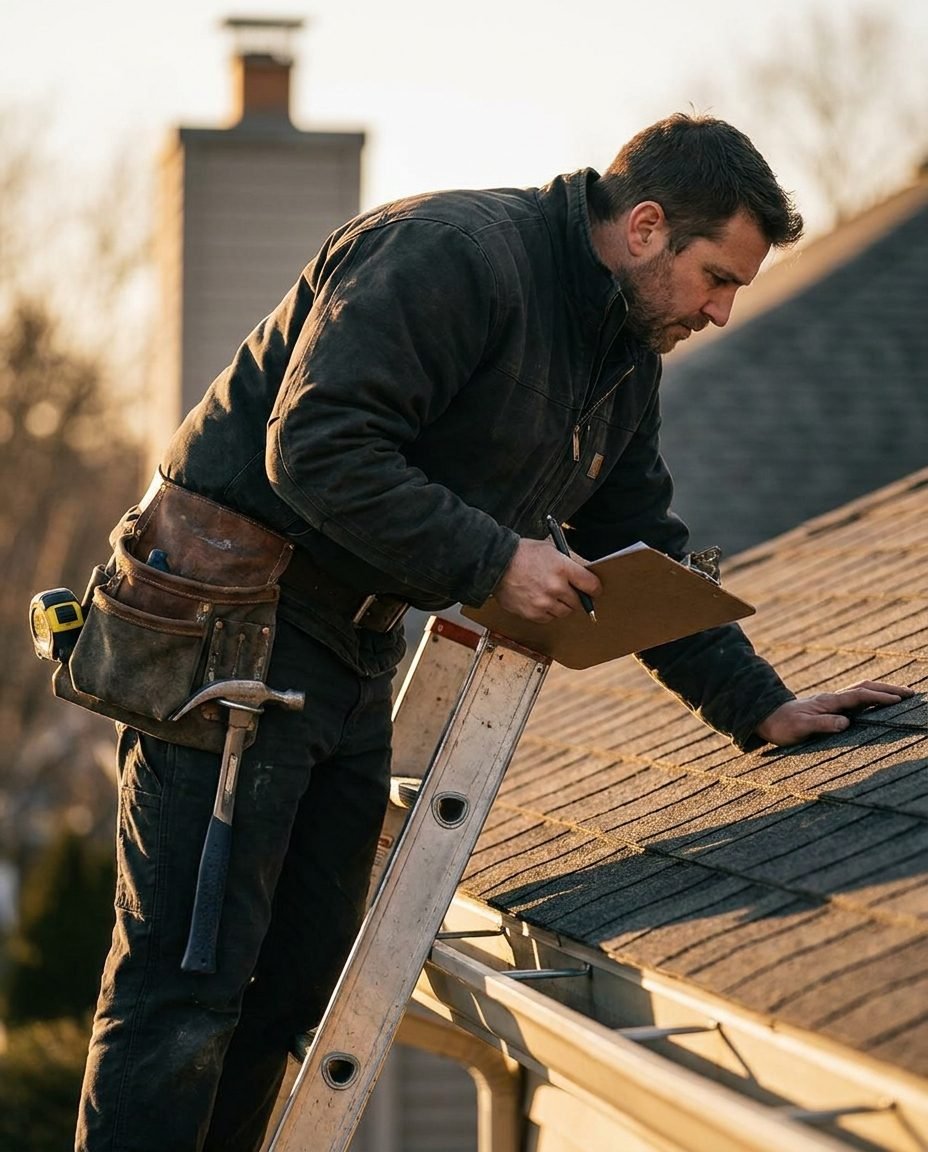
Keep the next step concrete.
- ✓On complex roofs with multiple valleys, the valley plan can affect material waste, staging, and the final project schedule.
- ✓Record the date, roof area, and weather or symptom that prompted the question.
- ✓Keep photos, invoices, and written recommendations with the roof file.
- ✓Ask when the issue needs professional roof access instead of ground-level monitoring.
Roof replacement
Ask the contractor to explain the valley design in plain language and show how it ties into the underlayment and flashing.
Explore the serviceTurn the answer into a roof decision.
Use the related service pages for a property-specific conversation, then keep learning with the guides that answer the questions homeowners ask before they call.