What Is Roof Decking, and When Does It Need to Be Replaced?
The plywood or board layer under your shingles that most homeowners never think about — until a reroof reveals it needs attention.
What roof decking actually is
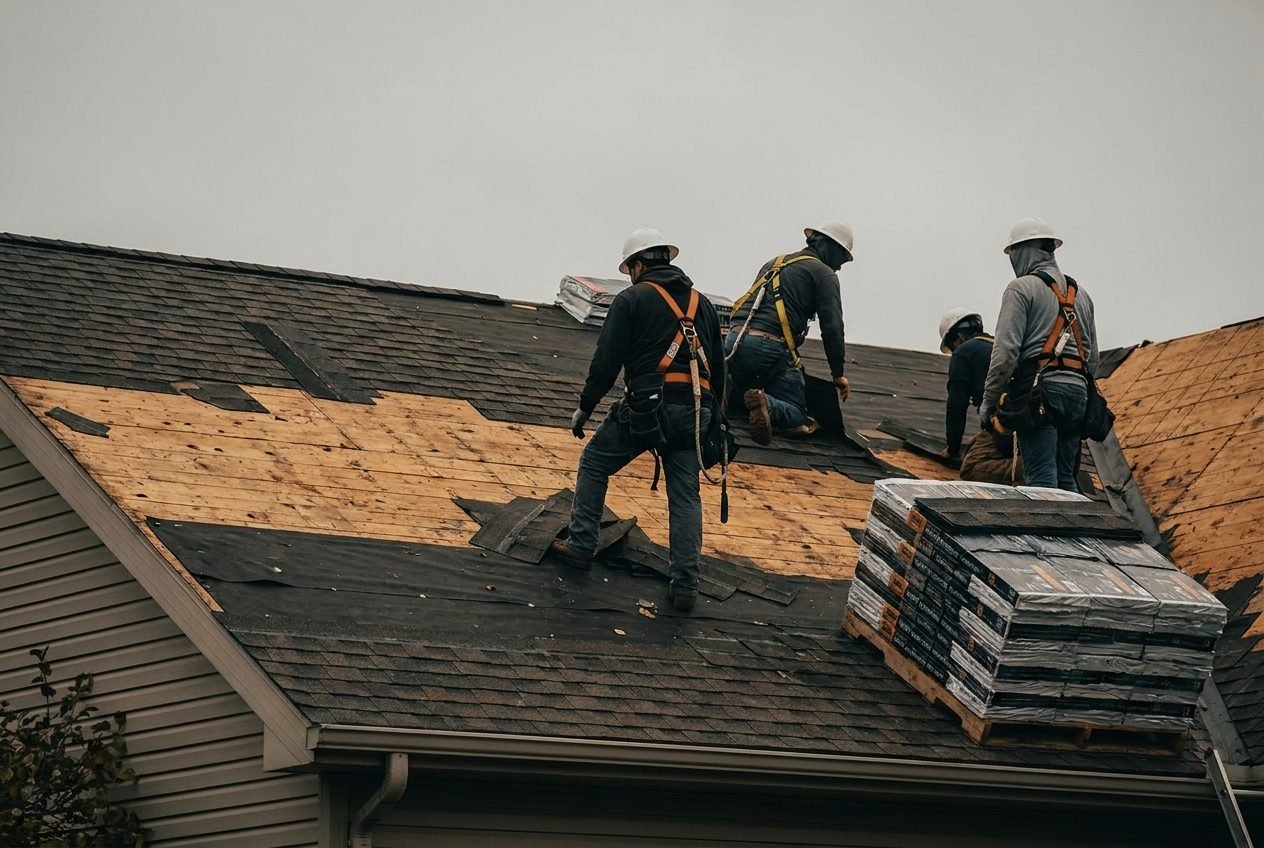
Roof decking is the solid layer — typically plywood or OSB on newer homes, board sheathing on many older ones — that spans your rafters and gives your underlayment and shingles something to attach to. It's structural, not just a surface, which is exactly why its condition matters so much when a roof is replaced.
Why decking condition isn't known until tear-off
You genuinely can't assess decking condition accurately from the outside or even from inside the attic in every case — the clearest view comes once the old shingles and underlayment are removed. This is why a roofing estimate sometimes includes a decking allowance rather than a fixed final price, and why the final invoice can shift slightly once tear-off reveals what's actually underneath.
Signs decking may already be compromised
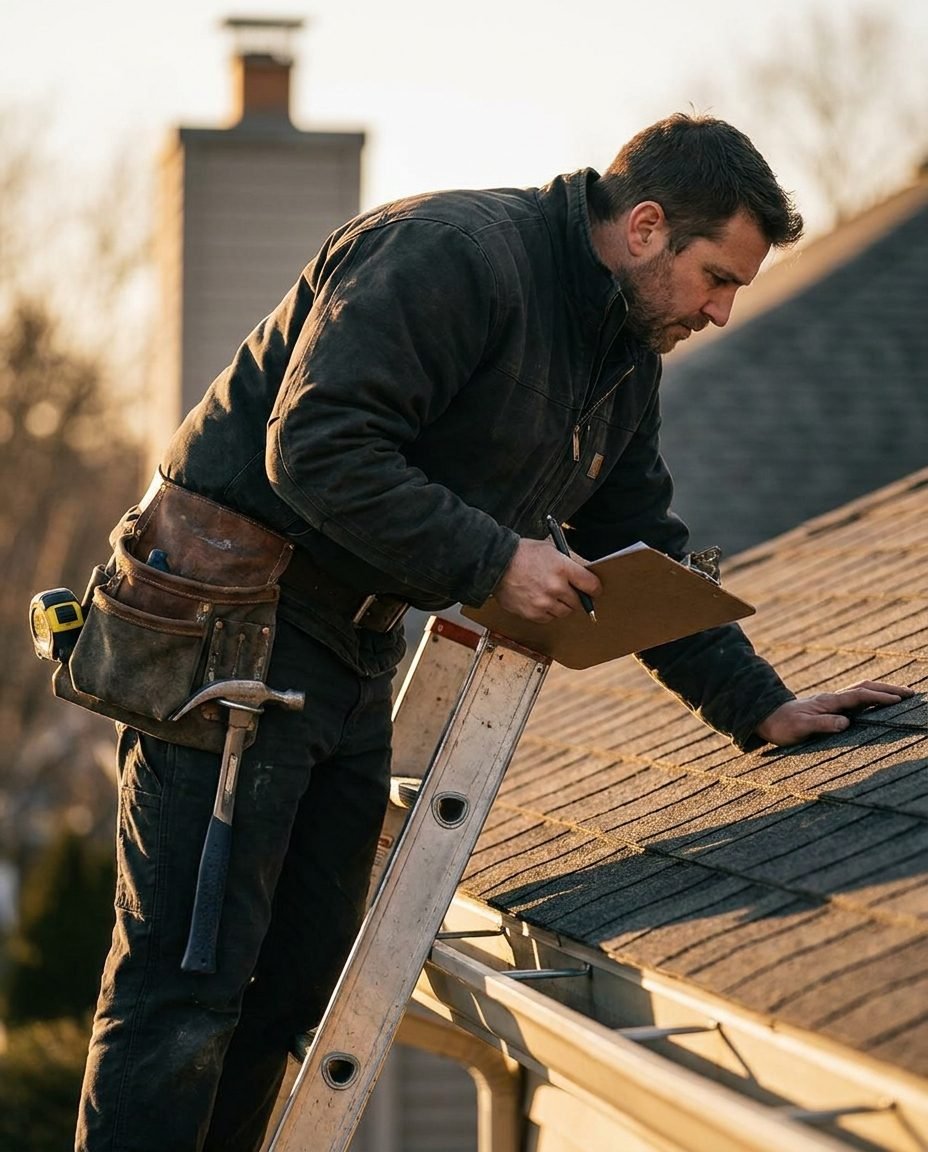
A roof deck that feels soft or spongy underfoot during an inspection, visible sagging between rafters, or water staining and daylight visible from inside the attic are all signs decking may need replacement. Long-standing leaks are the most common cause, since sustained moisture exposure is what actually breaks down plywood or board sheathing over time.
How this affects your project cost
Most reputable contractors quote a per-sheet decking replacement rate upfront, so you know the cost if extra decking is needed rather than being surprised mid-project. We check attic accessible areas during our initial inspection to flag likely decking issues before tear-off begins, which helps set realistic expectations before work starts.