How Much Snow Load Can an Indiana Roof Handle?
Most Indiana roofs are built with real margin for snow — here's when that margin is actually worth thinking about.
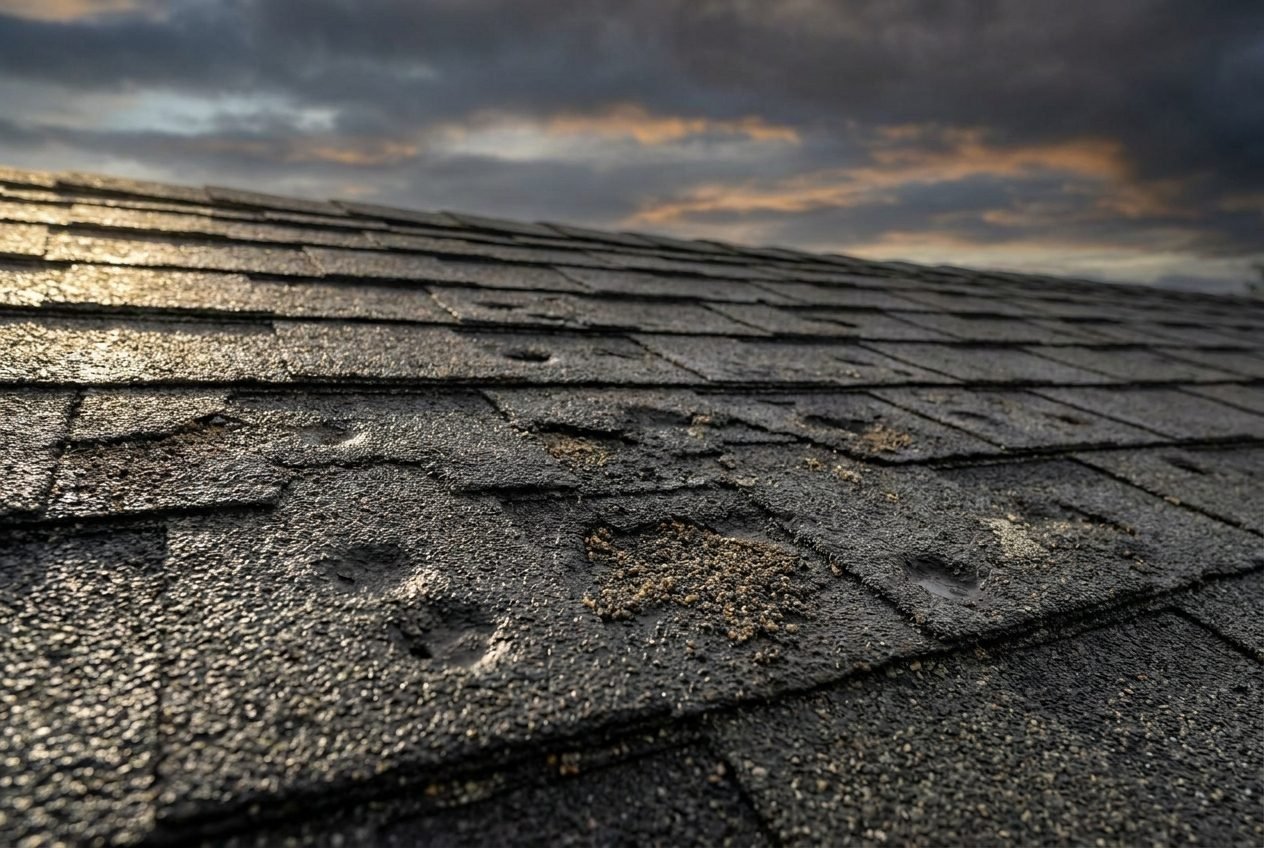
What building code already accounts for
Indiana building code specifies a ground snow load design requirement that roofs must be engineered to withstand, and residential roofs built to code carry real structural margin above typical annual snowfall in our area. A properly built and maintained roof is not at meaningful risk from a normal Indiana winter.
When snow load actually becomes a concern
The scenarios worth watching are unusual: wet, heavy snow followed by additional accumulation before the first layer melts or is removed, ice buildup adding significant weight on top of snow, or an older structure with known framing issues unrelated to snow itself. Isolated heavy snow events are rarely a structural problem on a sound, code-built roof.
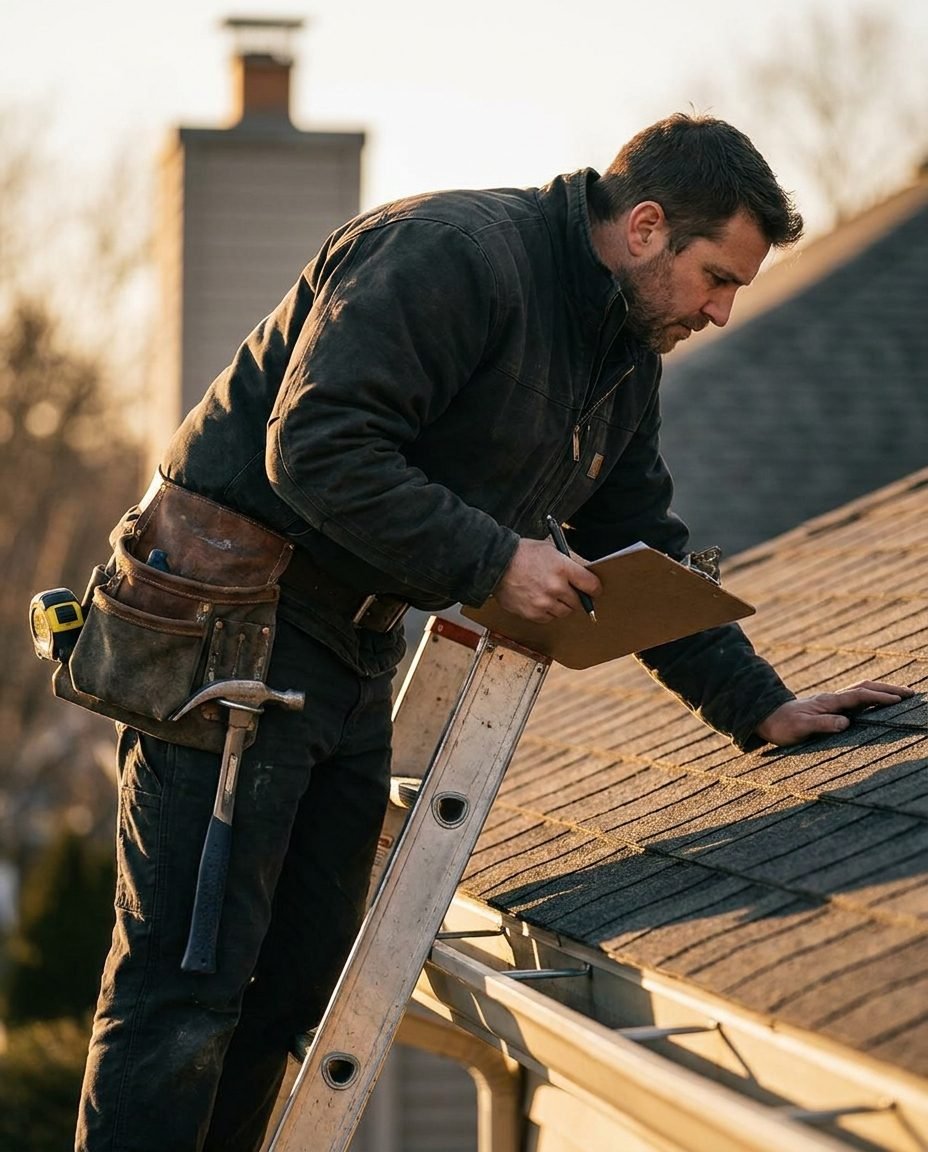
Warning signs worth taking seriously
New cracks in interior walls or ceilings, doors or windows that suddenly stick, visible roof sagging, or unusual creaking sounds during heavy snow loading are signs worth a prompt professional look, though they're uncommon even in significant snow years on a sound roof.
What we actually recommend
For the vast majority of homes, no special snow load action is needed. For roofs already carrying age-related structural concerns, or during an unusually heavy accumulated snow year, clearing snow from roof edges — using a proper roof rake, not walking on the roof — can reduce ice dam risk and eliminate any doubt.