Roof Warranties Explained: Manufacturer vs. Workmanship Coverage
Two different warranties cover two different things — knowing the difference matters if something goes wrong later.
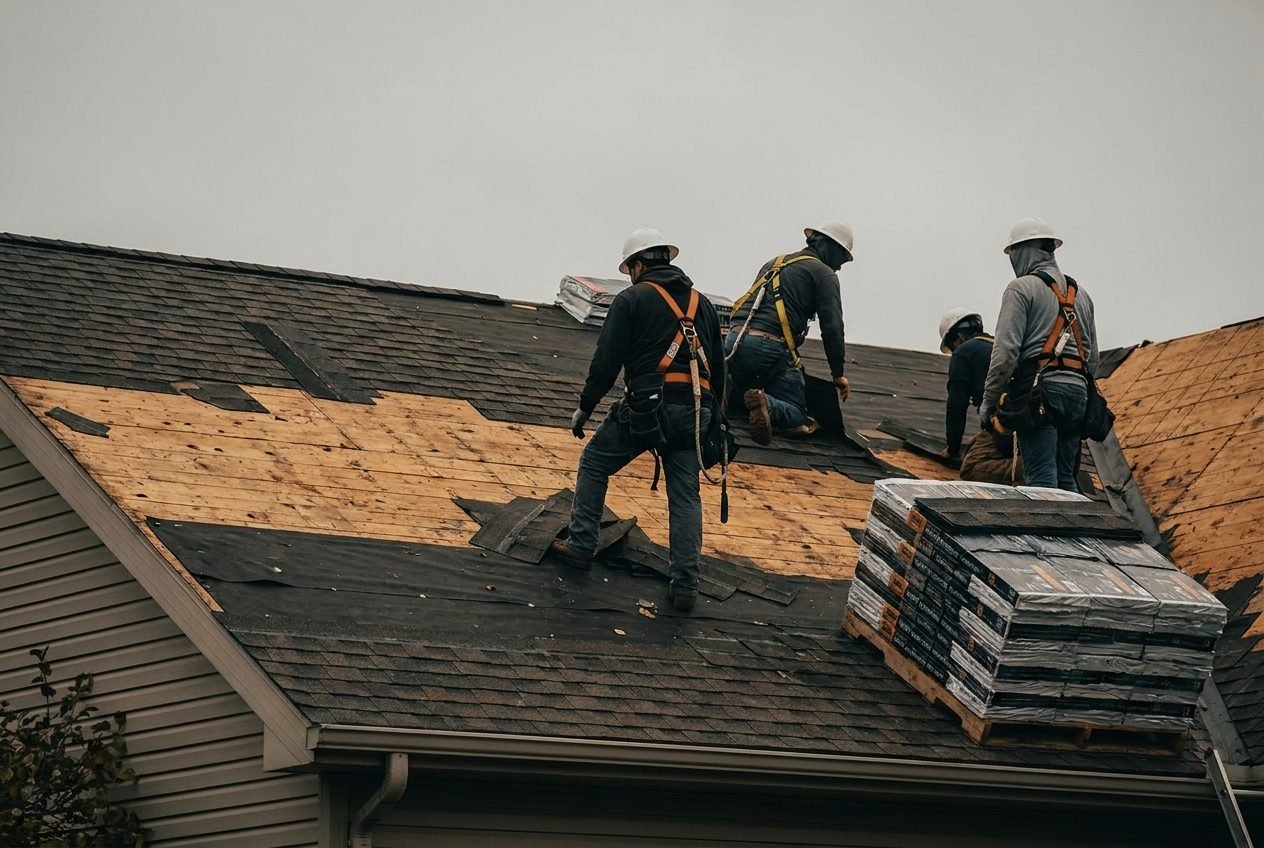
Two separate warranties, two separate things
A manufacturer's warranty covers defects in the shingle or panel material itself — things like premature granule loss or a manufacturing flaw — and is provided by the shingle or metal manufacturer, not the roofing contractor. A workmanship warranty covers installation errors — things like improper flashing or incorrect nailing pattern — and is provided by the contractor who did the work. A leak caused by a manufacturing defect and a leak caused by an installation mistake are both 'the roof leaking,' but they fall under entirely different warranties with different processes for getting them addressed.
What to actually check before signing
Manufacturer warranty length varies by product line, often 25–50 years depending on the shingle tier, but many have prorated coverage that decreases in value over time — read the actual terms, not just the headline number. Workmanship warranty length is set by the contractor, not the manufacturer, and varies significantly between companies — this is worth asking about directly, since it's the warranty that covers the most common real-world leak cause: installation error, not material defect.
What voids a warranty
Improper maintenance, unauthorized repairs by another contractor, and installation that doesn't match manufacturer specifications (like using an install method the manufacturer doesn't certify) are common ways a warranty gets voided without the homeowner realizing it. Using manufacturer-certified installers and keeping documentation of any maintenance or repair work protects your coverage.