Should You Replace Your Roof Before Installing Solar Panels?
Removing and reinstalling solar panels for a later roof replacement is expensive and avoidable — here's how to time it right.

Why this sequencing question matters
Solar panel systems are typically warrantied and expected to perform for 20 to 25 years, which is longer than the remaining life of many roofs at the time panels are installed. If your roof needs replacement a handful of years after solar goes up, removing and reinstalling the panel array adds real, avoidable labor cost to that future project.
How to assess your roof's remaining life honestly
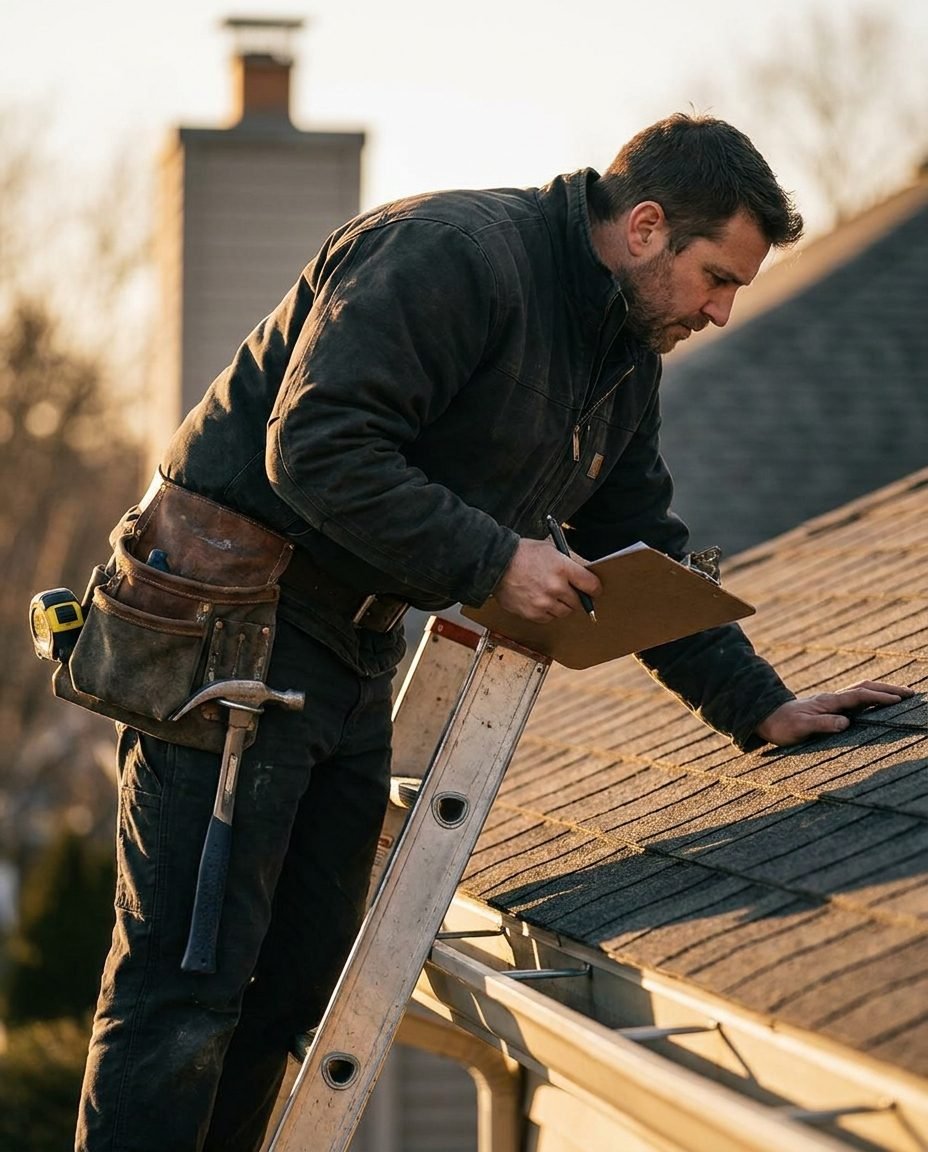
Before committing to solar, get a straight assessment of your roof's current age and condition relative to its expected lifespan. A roof with 15-plus years of expected life remaining is a reasonable candidate to install solar as-is; a roof approaching the end of its expected life is a strong candidate for replacement first.
What happens if you need a reroof with existing solar
It's not impossible — panels can be removed and reinstalled — but it adds a coordination step and cost most homeowners would rather avoid. Some solar installers handle this directly; others require you to arrange it separately with a roofing contractor, which can slow the timeline.
Coordinating both projects together
When both a roof replacement and solar installation are on the table, sequencing the roof first is almost always the more efficient and cost-effective order. We coordinate with solar installers regularly to make sure roofing work is completed to the specifications needed for a clean, warranty-compliant solar mount afterward.