Spring Roof Inspection Checklist for North Indy Homes
Spring is a useful time to check what winter, ice, falling branches, and freeze-thaw movement left behind before the next round of heavy rain.

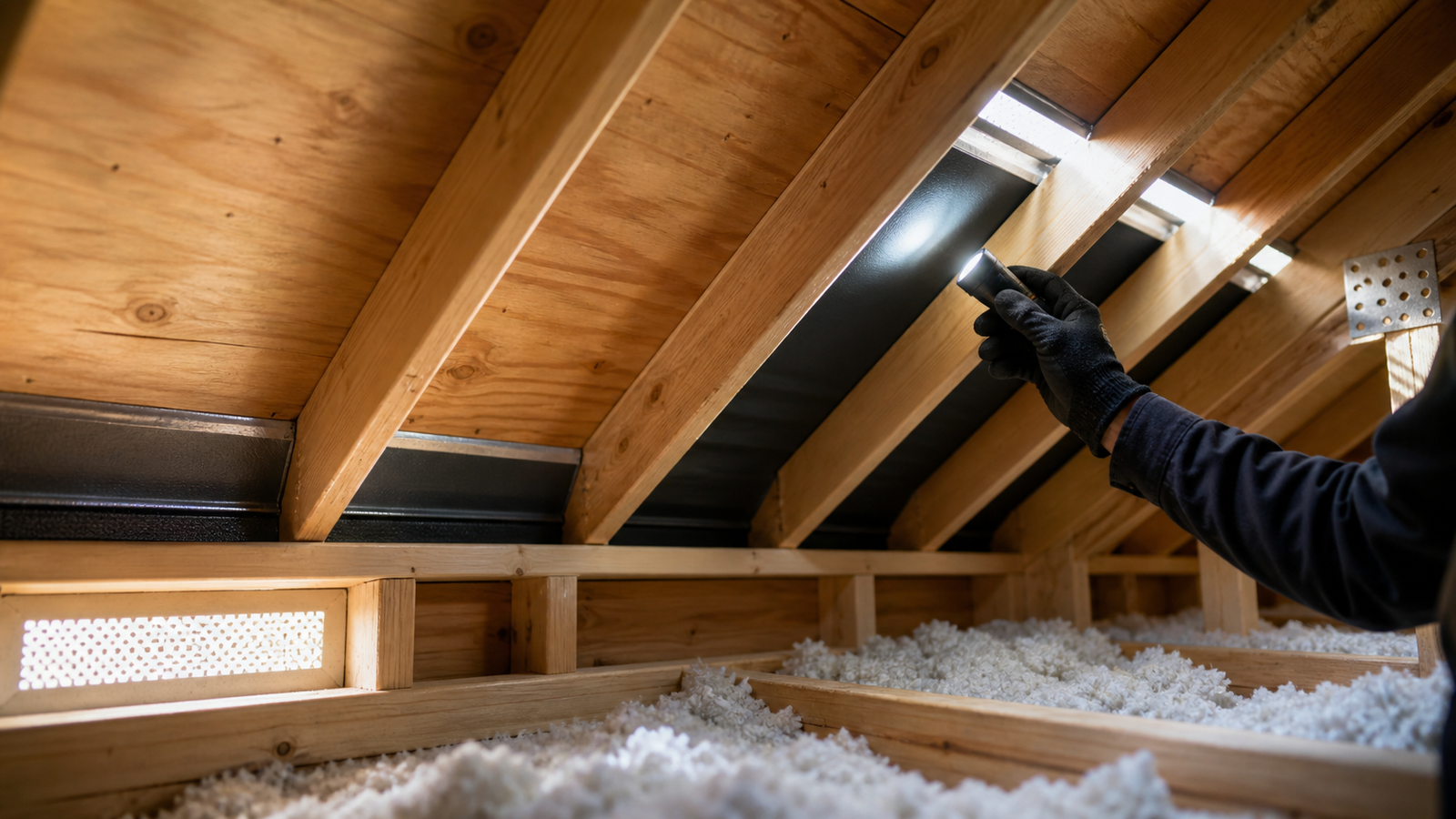
A spring roof inspection should review shingles or panels, ridge caps, flashing, gutters, downspouts, soffit and fascia, attic moisture, and visible interior stains. Start from the ground and leave roof access to a trained professional.
What to look for
Look for displaced material, granule piles near downspouts, loose metal, overflowing gutters, and new staining around ceilings or chimneys. Photograph changes from last year so small patterns are easier to spot.
Clear leaves and seed pods before they become a drainage problem, but do not pressure-wash shingles or scrape moss aggressively. Cleaning methods can remove protective granules and shorten the roof's useful life.
What to do next
Use the checklist below to make the next conversation specific. If the condition is active, unsafe, or connected to a storm, move the inspection up the calendar.
Keep the next step concrete.
- ✓Use the checklist as a maintenance conversation, not a DIY climbing list.
- ✓Record the date, roof area, and weather or symptom that prompted the question.
- ✓Keep photos, invoices, and written recommendations with the roof file.
- ✓Ask when the issue needs professional roof access instead of ground-level monitoring.
Roof maintenance plans
A written spring baseline makes it easier to catch a small repair before summer storms turn it into an interior leak.
Explore the serviceTurn the answer into a roof decision.
Use the related service pages for a property-specific conversation, then keep learning with the guides that answer the questions homeowners ask before they call.