Roof Replacement Materials for North Indy Homes
The best roofing material is the one that fits the roofline, budget, maintenance expectations, neighborhood, and ownership horizon. A material comparison is useful only when those tradeoffs are made visible.
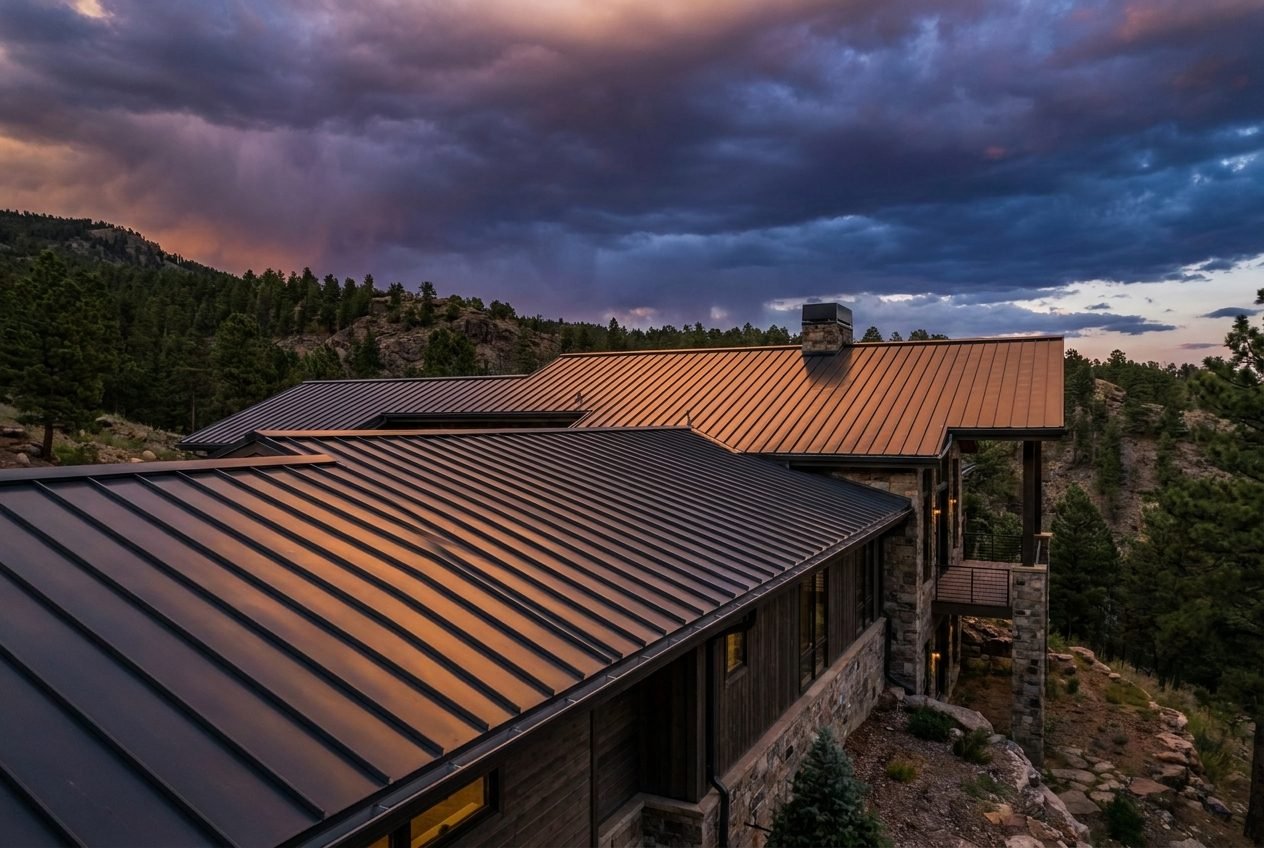
Roof replacement materials commonly used on North Indy homes include architectural asphalt shingles, premium shingles, standing-seam metal, low-slope membranes, and specialty materials such as cedar. Each has different installation details, repairability, appearance, and long-term cost.
Architectural asphalt shingles
Architectural shingles are often the practical starting point for a North Indy replacement because they offer a wide range of colors and profiles, are familiar to local installers, and make individual repairs relatively straightforward when the surrounding material is sound. The specific product, ventilation, underlayment, and installation quality still matter.
Do not compare only the warranty headline. Ask about the exact line, wind rating, impact classification if relevant, ridge-cap product, and whether the installation meets the manufacturer's requirements.
Standing-seam metal roofing
Metal can make sense on custom homes, additions, steep rooflines, and homeowners who value longevity, low maintenance, and a distinct appearance. It costs more upfront and requires experienced detailing around penetrations, valleys, edges, and snow or ice movement.
Metal is not automatically maintenance-free. Fasteners, coatings, trim, and adjacent materials still need inspection. A good proposal explains movement, noise expectations, repair methods, and how the roof connects to existing asphalt sections.
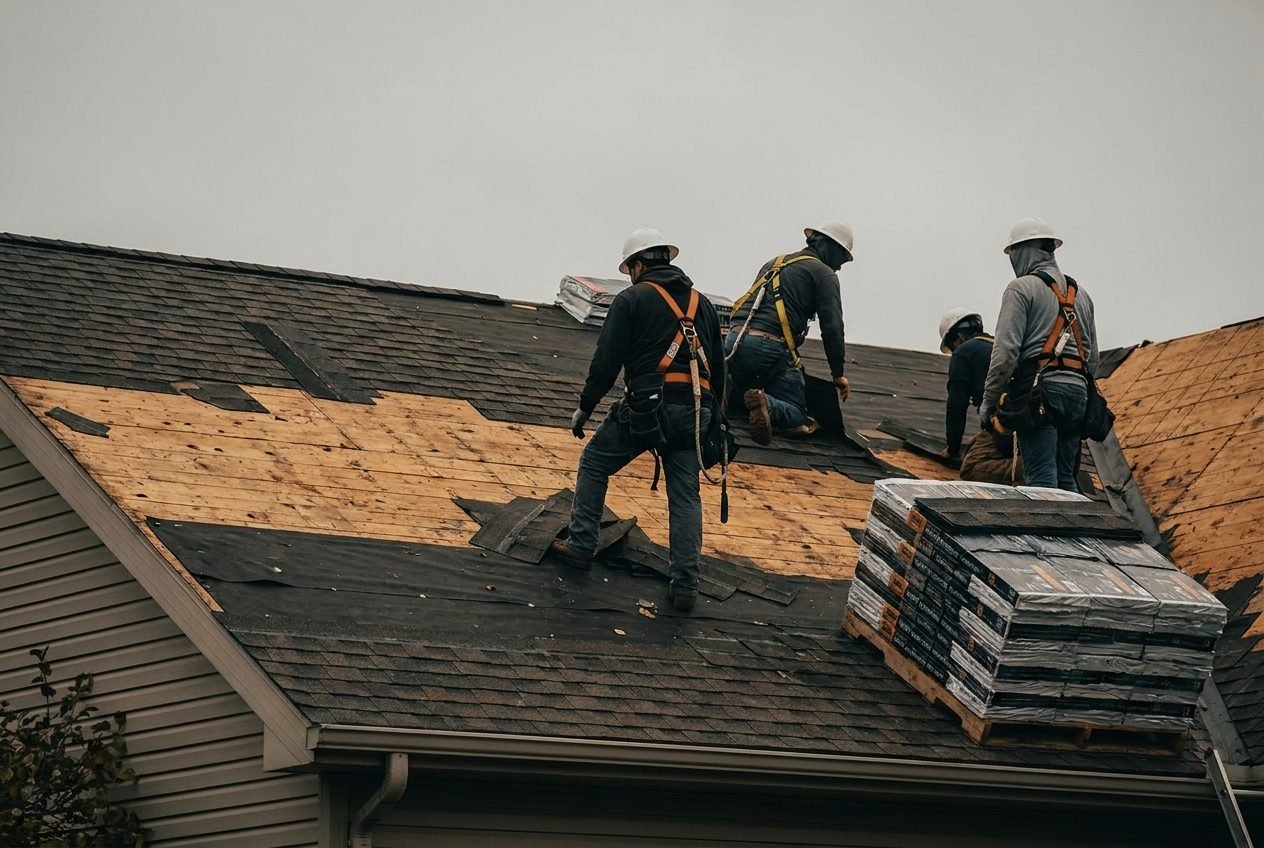
Low-slope and specialty systems
Porches, additions, garages, and commercial roofs may not be steep enough for standard shingles. Those areas need a membrane or coating system designed for the slope and drainage, with seams, penetrations, and edge details treated as first-class parts of the roof.
Cedar and historic materials can be appropriate when the architecture calls for them, but they carry different maintenance and restoration requirements. The right choice respects the property rather than forcing every roof into one product.
How to choose without getting lost
Start with the roof's geometry and your ownership horizon. Then compare installed scope, expected maintenance, repair options, appearance rules, and documentation. A free inspection can narrow the choices before you spend time on color samples.
If your home sits in an HOA, lake community, historic district, or active construction area, add those constraints early. They can affect the material decision more than a small per-square price difference.
A better roof decision starts with a visible scope.
- ✓Match material to slope, roof geometry, and existing transitions
- ✓Compare installed scope and maintenance—not only warranty length
- ✓Confirm HOA or historic requirements before ordering
- ✓Ask how repairs will be handled years after installation
Turn the answer into a roof decision.
Use the related service pages for a property-specific conversation, then keep learning with the guides that answer the questions homeowners ask before they call.