Cedar Shake Roofing
Installation, repair, and maintenance for natural wood roofing on historic and architecturally distinct homes.
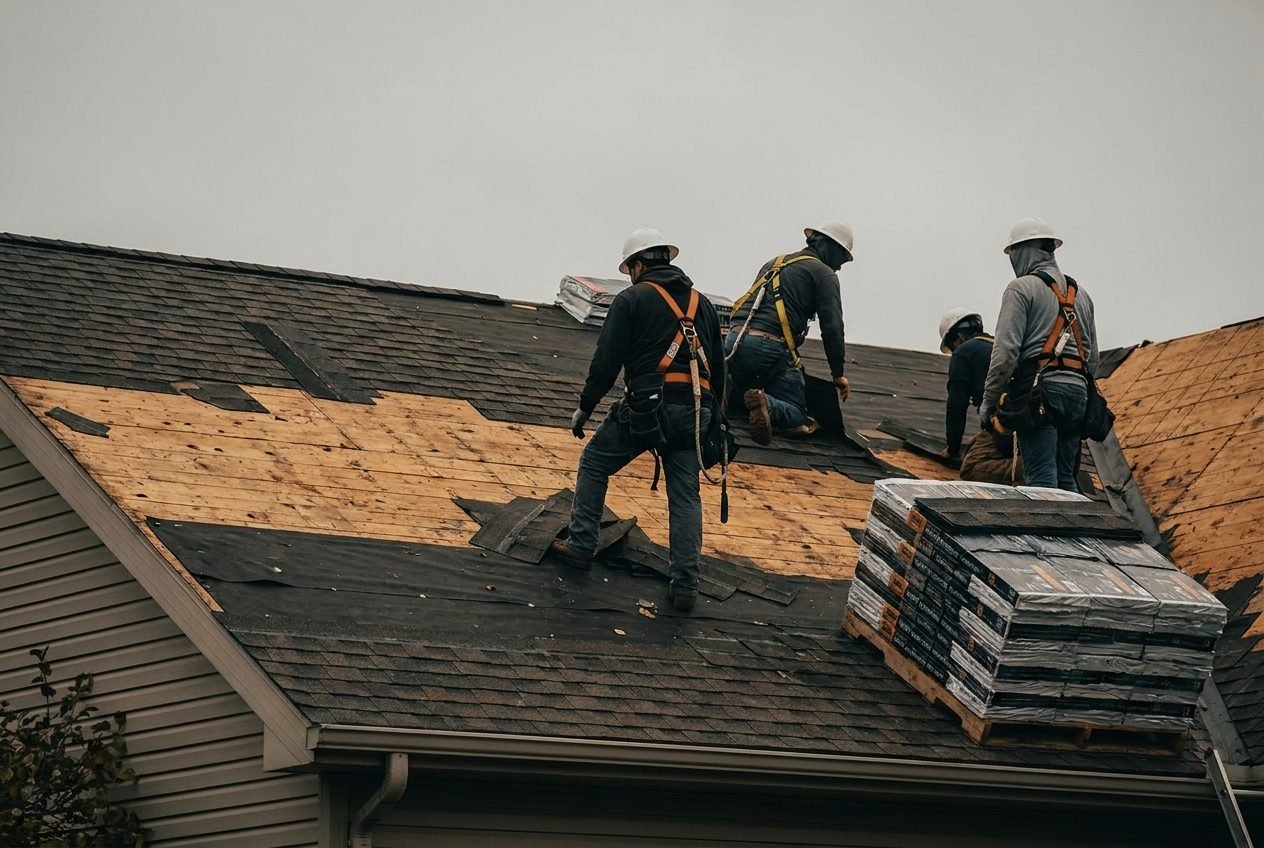
A roof that needs a different kind of care
Cedar shake is chosen for its look and character, mostly on historic homes and custom architecture where a standard asphalt shingle wouldn't fit the design intent — we see it most often on older homes in Broad Ripple, Meridian-Kessler, and select custom-built properties in Carmel and Zionsville. It's a material that rewards proper installation and regular maintenance far more than asphalt does, and punishes shortcuts more visibly when either is skipped.
Cedar shake installation requires spacing, fastening, and underlayment detail that differs meaningfully from asphalt work, and repairs need shakes that are matched for species, grade, and weathering so patches don't stand out against the surrounding roof. We approach cedar as its own discipline, not asphalt roofing with a different material swapped in.
What proper cedar shake work requires
- Correct spacing and fastening for long-term weather resistance, not just visual placement
- Shake matching by grade and species so repairs blend with the existing roof
- Guidance on maintenance treatments that actually extend cedar lifespan
- Honest assessment of when a full cedar re-roof is needed versus a targeted repair
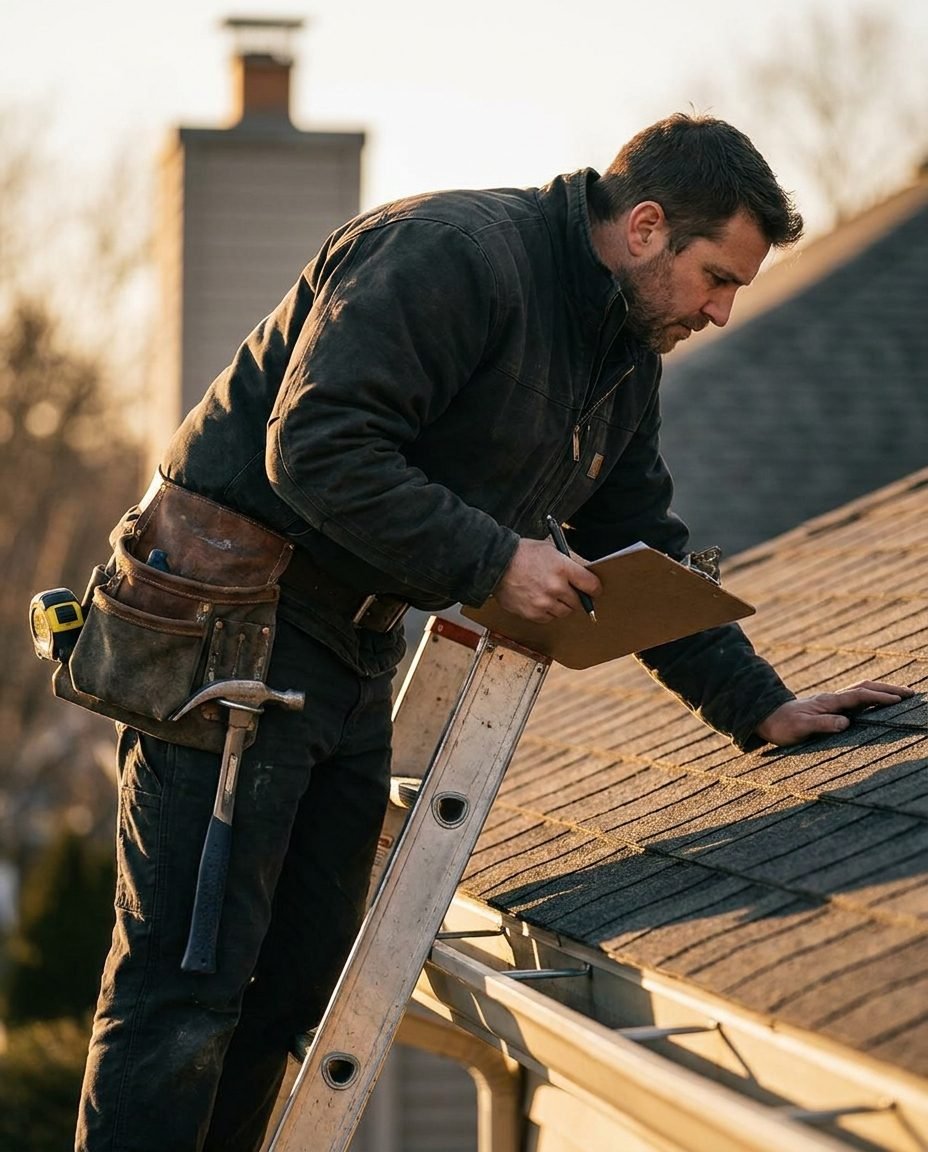
Cedar shake roofing, installed and maintained properly.
Assessment or design consultation
For repairs, we assess shake condition and match replacements. For new installs, we discuss grade and style options.
Underlayment & spacing
Proper underlayment and shake spacing set the foundation for the roof's long-term performance.
Installation
Shakes installed with correct exposure and fastening pattern for weather resistance.
Treatment recommendation
Guidance on preservative or fire-retardant treatments where relevant.
Ongoing maintenance option
Cedar benefits from periodic maintenance more than most roofing materials — we can fold this into a maintenance plan.
Cedar and Indiana's humidity
Cedar shake performs well in Indiana's climate when installed and maintained correctly, but humidity and moisture retention are the details that separate a cedar roof that lasts 30-plus years from one that develops moss, rot, or curling shakes within a decade. Proper spacing between shakes for airflow is not optional on this material the way it might be treated as a minor detail on asphalt.
Insurance considerations are also different with cedar — some carriers require specific treatment or Class A fire-rated products for coverage, and we can help you understand what your policy actually requires before installation rather than finding out after the fact.