Roof Cleaning & Moss/Algae Treatment
Safe soft-wash cleaning that removes algae streaking and moss without the shingle damage pressure washing causes.
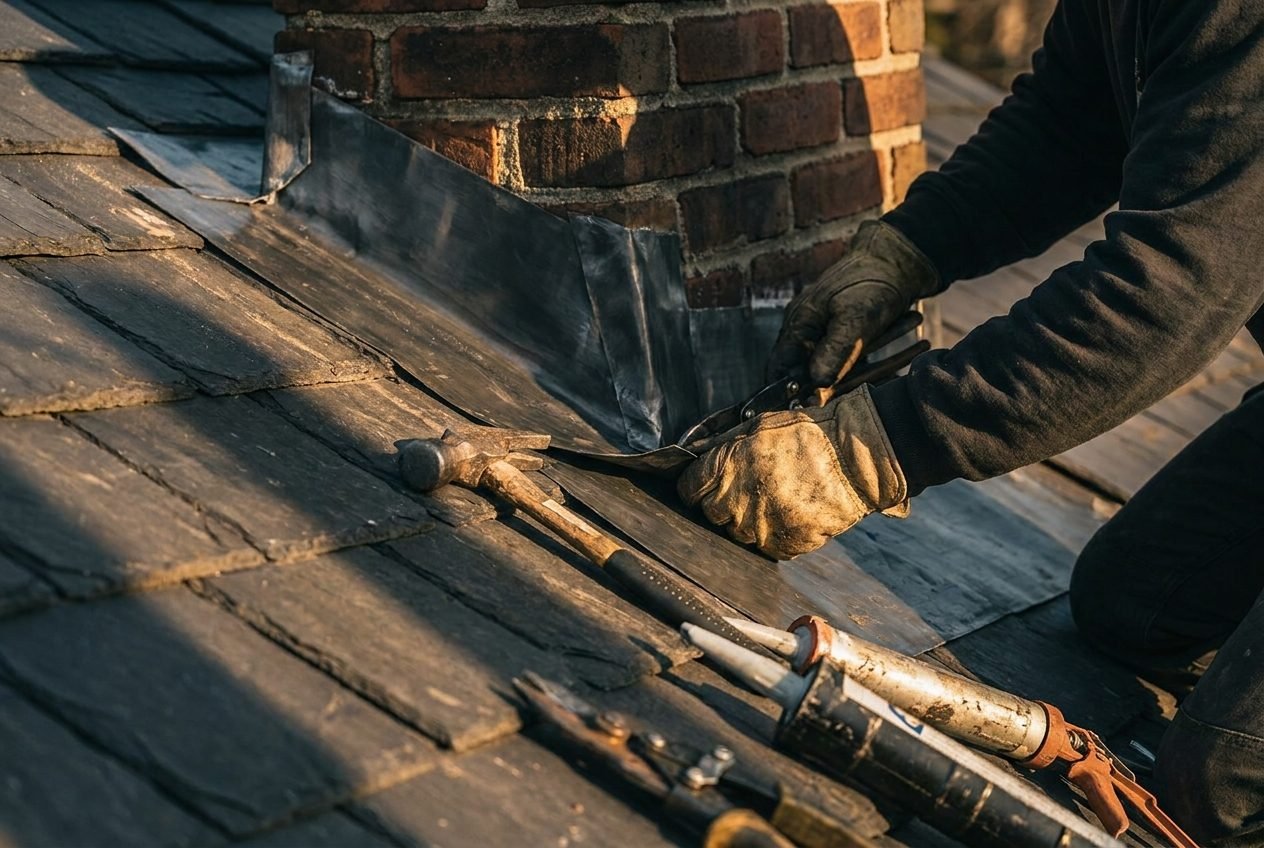
Those black streaks aren't dirt — they're algae
The dark streaking many North Indy homeowners notice running down their shingles isn't dirt or age — it's a specific type of algae that feeds on limestone filler in asphalt shingles and spreads over time, especially on north-facing slopes and shaded areas with less direct sun exposure. It's a cosmetic issue primarily, but left untreated it can contribute to granule loss over the long term.
We use a low-pressure soft-wash treatment rather than pressure washing, which is important — high-pressure washing strips protective granules directly off asphalt shingles and can shorten roof life significantly, even though it removes the staining faster. Our method removes the algae and moss without damaging the shingle surface underneath.
Why our cleaning method matters
- Low-pressure soft-wash treatment, never high-pressure washing that strips shingle granules
- Moss removal that addresses regrowth, not just a one-time surface clean
- Treatment safe for surrounding landscaping and gutters
- Assessment of gutter and drainage issues often contributing to moss growth in shaded areas
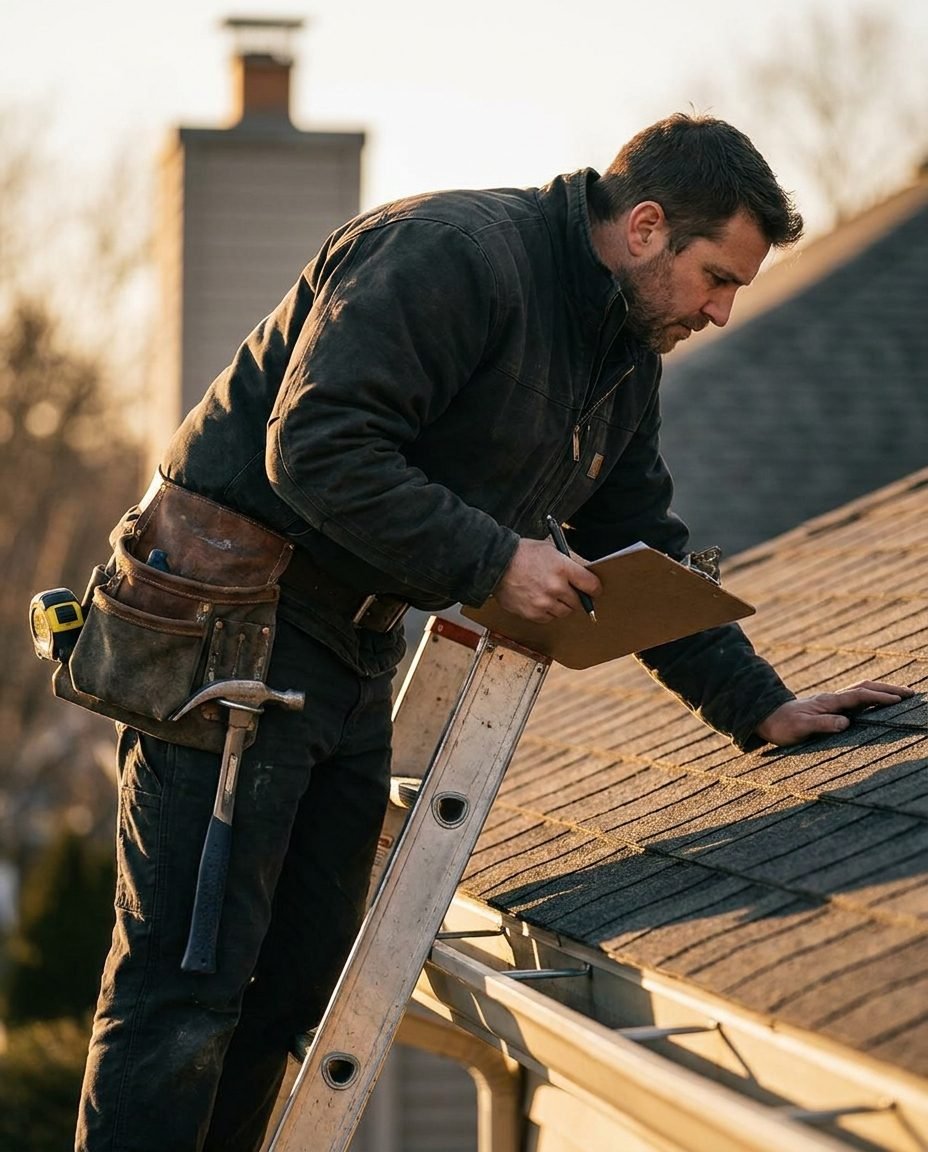
Roof cleaning, done without damaging shingles.
Assessment
We check the extent of algae staining or moss growth and shaded areas contributing to it.
Landscaping protection
Surrounding plants and gutters are protected before treatment begins.
Soft-wash treatment
A low-pressure application removes algae and moss without stripping shingle granules.
Moss removal detail
Physical moss buildup is carefully cleared from valleys and shaded areas.
Prevention guidance
Recommendations on reducing regrowth, including any contributing shade or drainage issues.
Why algae and moss show up more in some spots
Roof algae and moss both favor moisture and shade, which is why north-facing slopes, areas under heavy tree cover, and roof valleys with slower drainage tend to show the most buildup across the homes we service in wooded and mature-tree neighborhoods throughout Hamilton and Marion County.
Moss in particular can hold moisture against the shingle surface longer than algae staining alone, which is why persistent moss growth is worth addressing beyond just appearance — over time it can affect how well that section of roof sheds water.