Historic Home Roof Restoration
Roof work on century-old homes that respects original construction, non-standard framing, and decades of prior repairs.
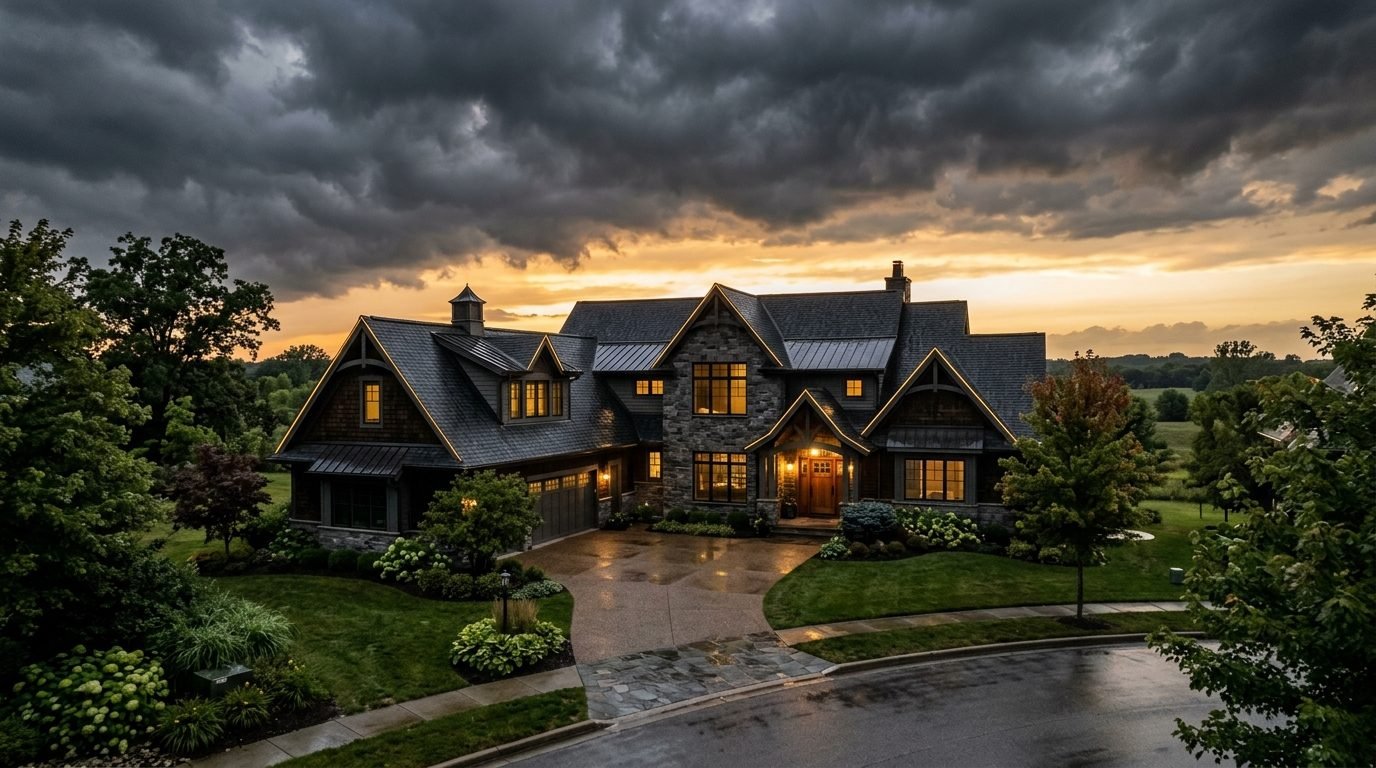
Older homes need a different approach
A century-old home in Broad Ripple, Meridian-Kessler, or Nora rarely has a straightforward roof deck. Original board sheathing instead of plywood, non-standard rafter spacing, and decades of small repairs layered on top of each other all change what a 'standard' tear-off actually involves. We assess the roof deck and framing specifically before quoting, rather than pricing a historic home the same as new construction.
We also work with homeowners on period-appropriate material choices when that matters for the home's character or a historic district's guidelines — matching a roofline's original profile even when the material underneath is being modernized for performance and cost.
Why homeowners in older neighborhoods choose us
- Direct experience with original board decking and non-standard framing common in pre-1960s construction
- Assessment of decades of layered prior repairs before quoting, not a generic estimate
- Period-appropriate material guidance for homes in historic districts or with architectural character to preserve
- Straight talk on when structural decking replacement is needed, not just shingles
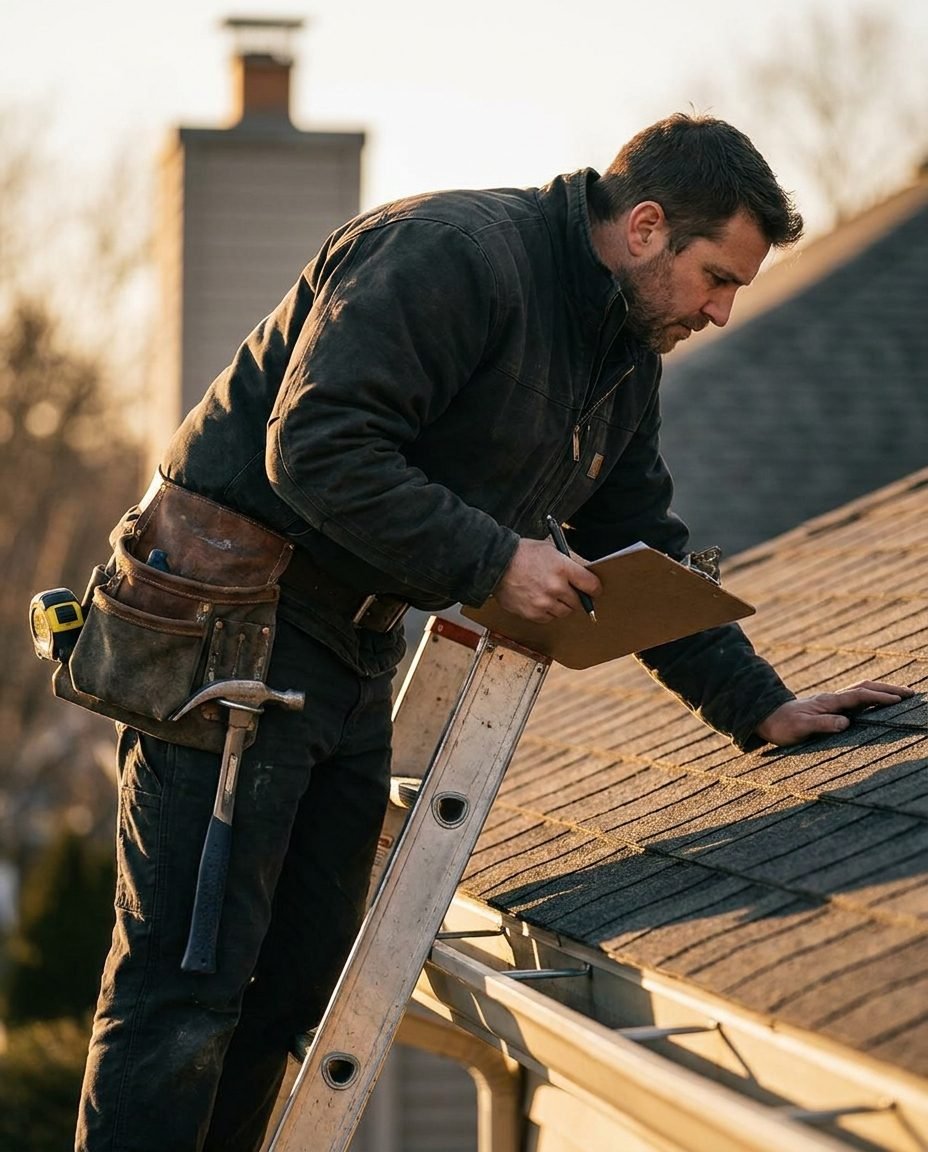
Historic roof restoration, done carefully.
Deck & framing assessment
We check decking type, spacing, and condition before quoting, since older homes vary widely.
History review
Evidence of prior repairs and their quality is factored into the scope.
Material consultation
Options discussed for matching historic character versus modern performance material.
Careful tear-off
Extra care taken with older, sometimes brittle original materials during removal.
Restoration
New roofing installed with attention to the home's original roofline and detailing.
What makes older North Indy homes different
Homes built before the 1960s in Indianapolis's established north-side neighborhoods often used board sheathing rather than plywood, which behaves differently under new roofing materials and sometimes needs supplemental decking rather than a full tear-off and replacement. Rafter spacing can also be non-standard compared to modern framing, which affects material and fastening choices.
These homes have also frequently accumulated multiple partial reroofs or patches over the decades, sometimes layered directly over older material. Understanding what's actually underneath the visible surface — before demolition begins — is what keeps a historic reroof from turning into a series of expensive surprises mid-project.