Commercial Roof Inspections for North Indy Properties
Commercial roof problems often hide in drains, seams, penetrations, edge metal, and rooftop equipment before they show up inside the building. A useful inspection gives an owner a maintenance priority list, not just a condition label.
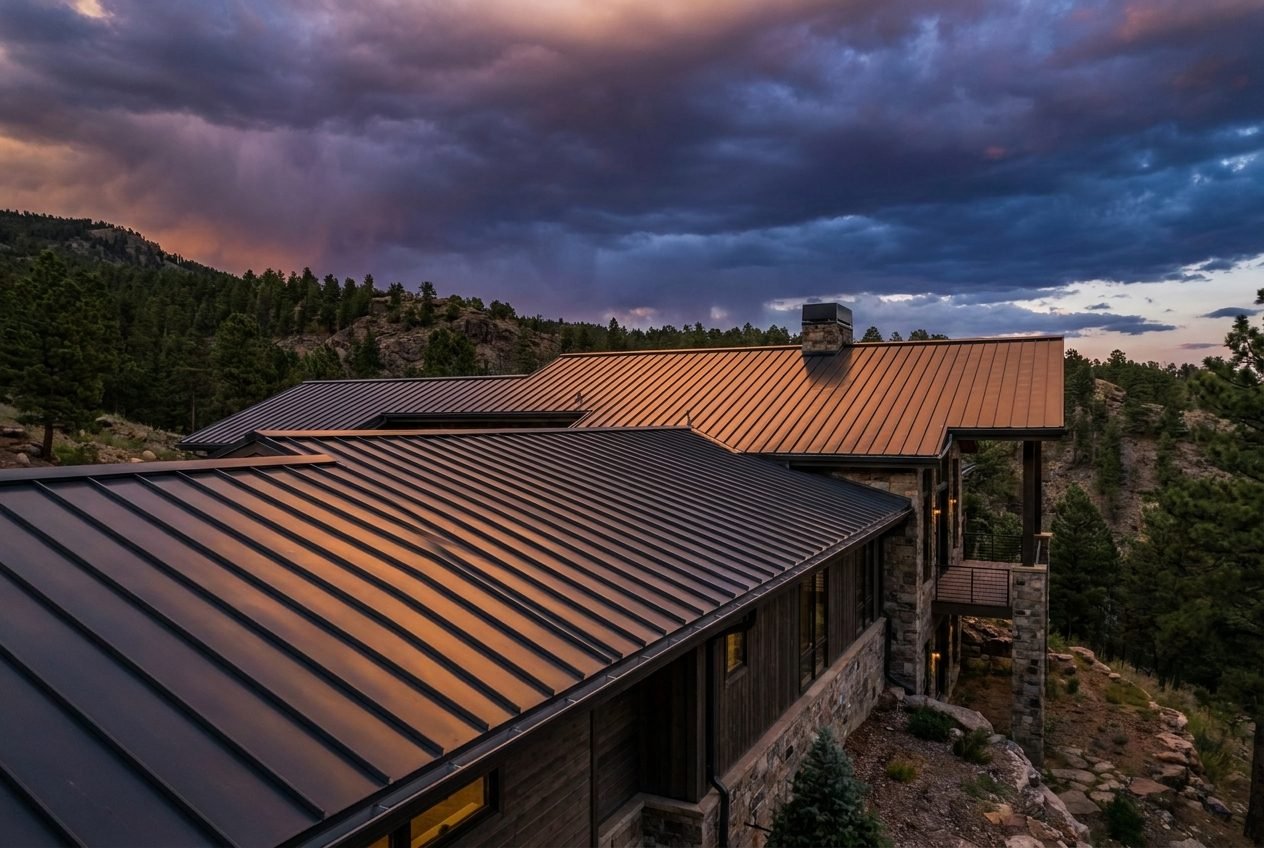
A commercial roof inspection reviews the membrane or panel system, seams, drains, edge details, penetrations, rooftop equipment, ponding, insulation clues, and interior evidence so owners can prioritize repairs and plan capital work.
What commercial inspections focus on
The inspection follows water movement and failure points: drains and scuppers, field seams, curb flashings, penetrations, parapet transitions, edge metal, rooftop units, and areas where foot traffic or maintenance work may have damaged the surface.
Interior observations matter too. Staining, ceiling tiles, wet insulation, odors, and repeated repairs can show where a roof problem is active or where an older repair is no longer holding.
How the report supports budgeting
Separate immediate leaks from conditions that can be monitored and from capital items that deserve a planned replacement. Include photographs, locations, access limitations, and a recommended timeframe so a property manager can schedule work around tenants.
A roof inspection should make the next conversation easier with ownership, a lender, an insurer, or a facilities team. The report is more valuable when the recommendations can be priced and prioritized.
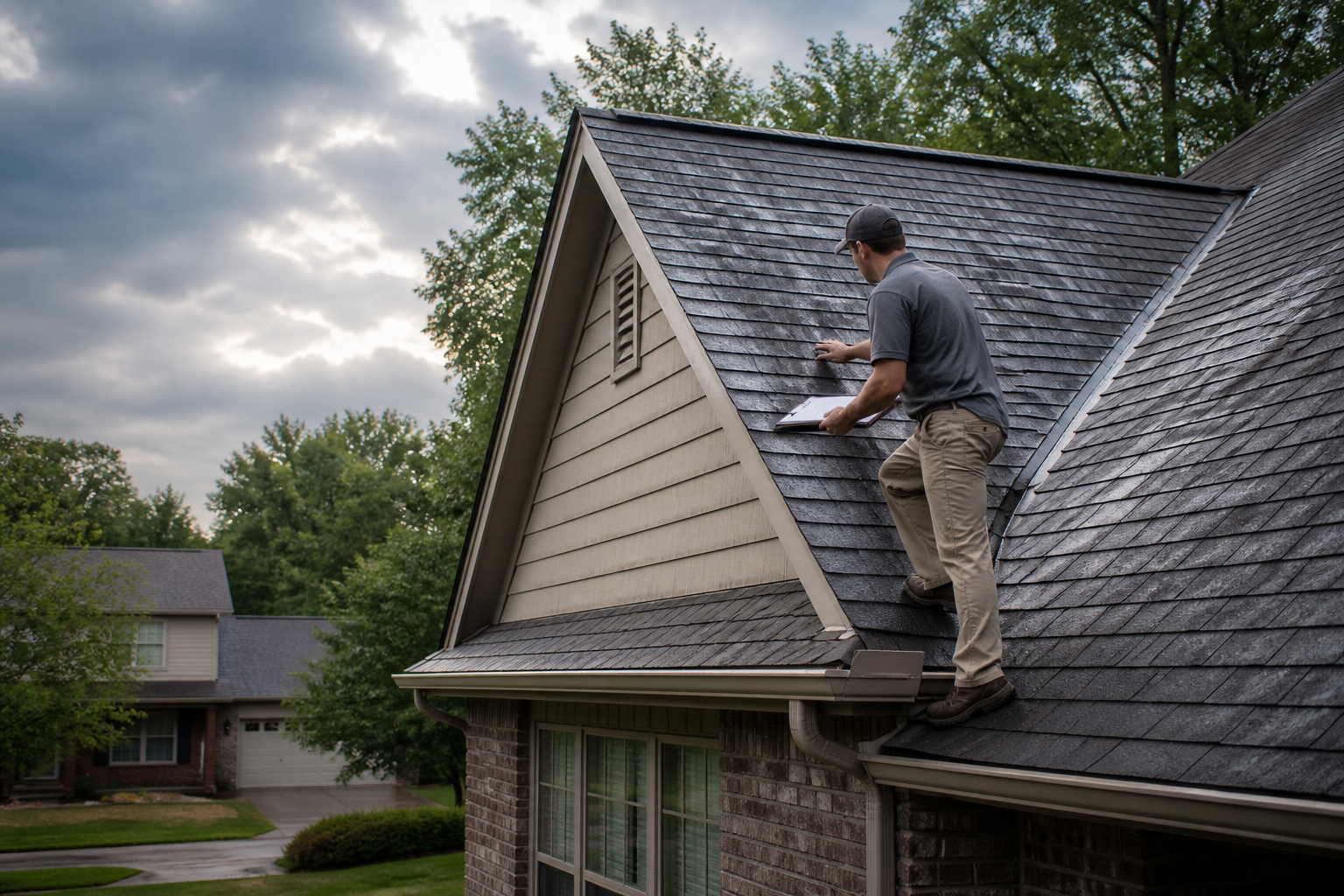
Ponding water is a symptom
Standing water may point to blocked drains, settlement, insulation movement, inadequate slope, membrane damage, or a layout that needs correction. Cleaning the drain is necessary but may not address why water remains after the roof should be dry.
Document the depth, duration, and location where practical. A recurring ponding area deserves a different response from a temporary puddle after an unusually intense storm.
Plan for safe access
Commercial roofs have fall hazards, fragile surfaces, electrical equipment, and tenant coordination requirements. The inspection plan should define access, roof zones, equipment areas, and any conditions that require another specialist.
If the building has multiple roof systems, do not let a single general label hide the differences between TPO, EPDM, modified bitumen, metal, or coated areas.
A better roof decision starts with a visible scope.
- ✓Inspect drains, seams, penetrations, edge metal, and rooftop equipment
- ✓Separate emergency repairs from planned capital work
- ✓Document ponding with location and recurrence
- ✓Coordinate access and safety before the inspection
Turn the answer into a roof decision.
Use the related service pages for a property-specific conversation, then keep learning with the guides that answer the questions homeowners ask before they call.