Bathroom Fan Venting: Keep Moisture Out of the Attic
A bathroom fan that terminates in the attic sends warm, wet air into the roof cavity. The result can look like a roof leak even when the shingles and flashing are intact.
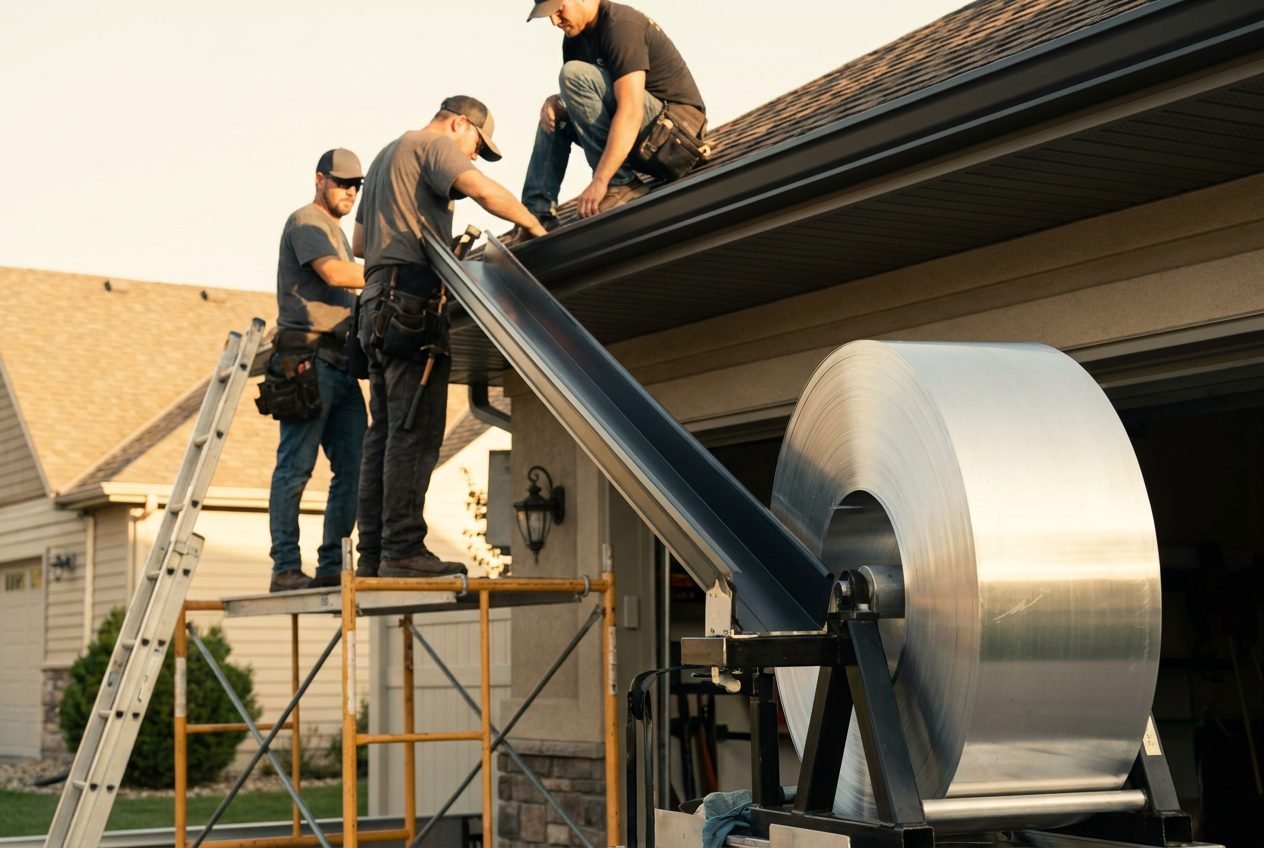
Bathroom fans should exhaust to the exterior through a properly sealed, code-appropriate route. Venting into the attic can condense on cold decking and insulation, creating staining, dampness, and mold-like odors.
What to look for
Look for disconnected ducts, crushed flex hose, missing insulation on a duct in a cold space, or a roof cap that leaks around its flashing. The roof and mechanical system need to be reviewed together.
Do not simply point a fan at a ridge vent or soffit. The discharge path needs to terminate outside and avoid creating a new penetration problem.
What to do next
Use the checklist below to make the next conversation specific. If the condition is active, unsafe, or connected to a storm, move the inspection up the calendar.
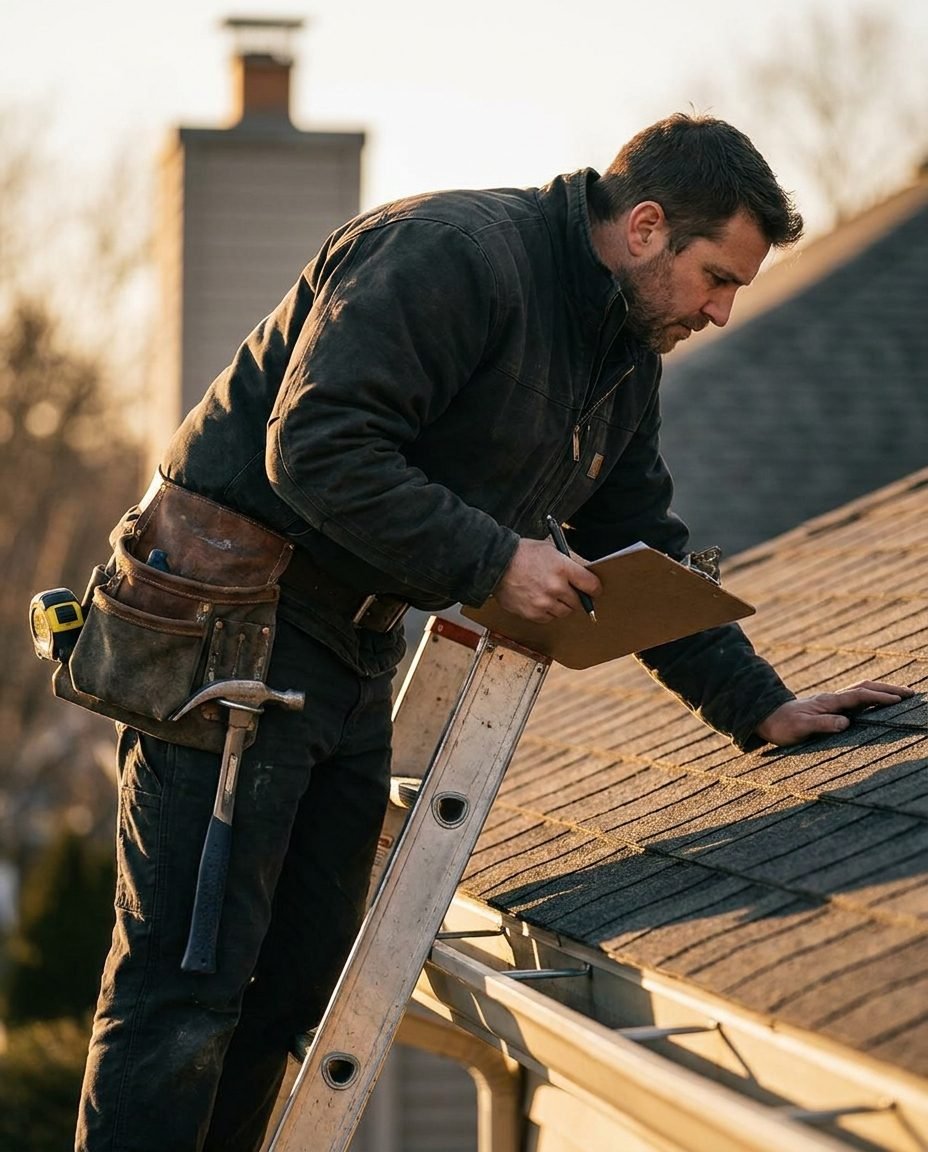
Keep the next step concrete.
- ✓If the attic has already been wet, document the extent before replacing insulation or painting interior surfaces.
- ✓Record the date, roof area, and weather or symptom that prompted the question.
- ✓Keep photos, invoices, and written recommendations with the roof file.
- ✓Ask when the issue needs professional roof access instead of ground-level monitoring.
Roof vent repair
North Indy Roof Co. can identify roof-side conditions and tell you when a qualified HVAC professional should complete the fan or duct correction.
Explore the serviceTurn the answer into a roof decision.
Use the related service pages for a property-specific conversation, then keep learning with the guides that answer the questions homeowners ask before they call.