What to Do About Mold-Like Growth After a Roof Leak
Mold-like growth after a roof leak needs two conversations: stop the water source and assess the affected interior materials. Painting over the stain does not solve either one.
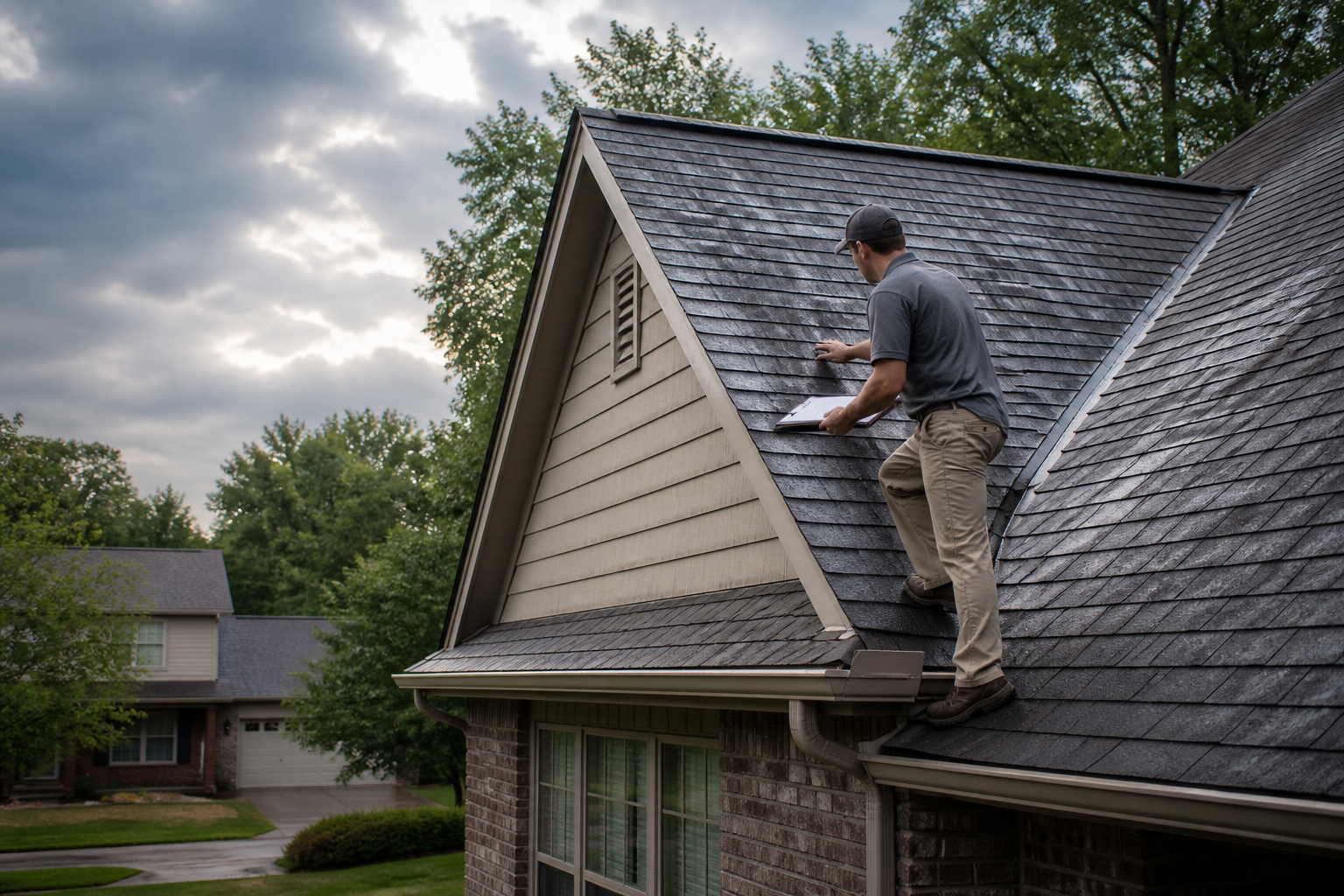
After a leak, protect the area, document the moisture, and arrange a roof and interior assessment. Wet insulation, drywall, framing, and finishes may need different drying or remediation steps depending on duration and extent.
What to look for
Do not assume every dark mark is mold, and do not disturb large affected areas without understanding the risk. A qualified remediation or environmental professional may be appropriate for significant or persistent growth.
The roofing repair should trace the exterior source: flashing, pipe boot, valley, shingle, gutter, or condensation. If the roof is fixed but the attic moisture source remains, the interior problem can return.
What to do next
Use the checklist below to make the next conversation specific. If the condition is active, unsafe, or connected to a storm, move the inspection up the calendar.
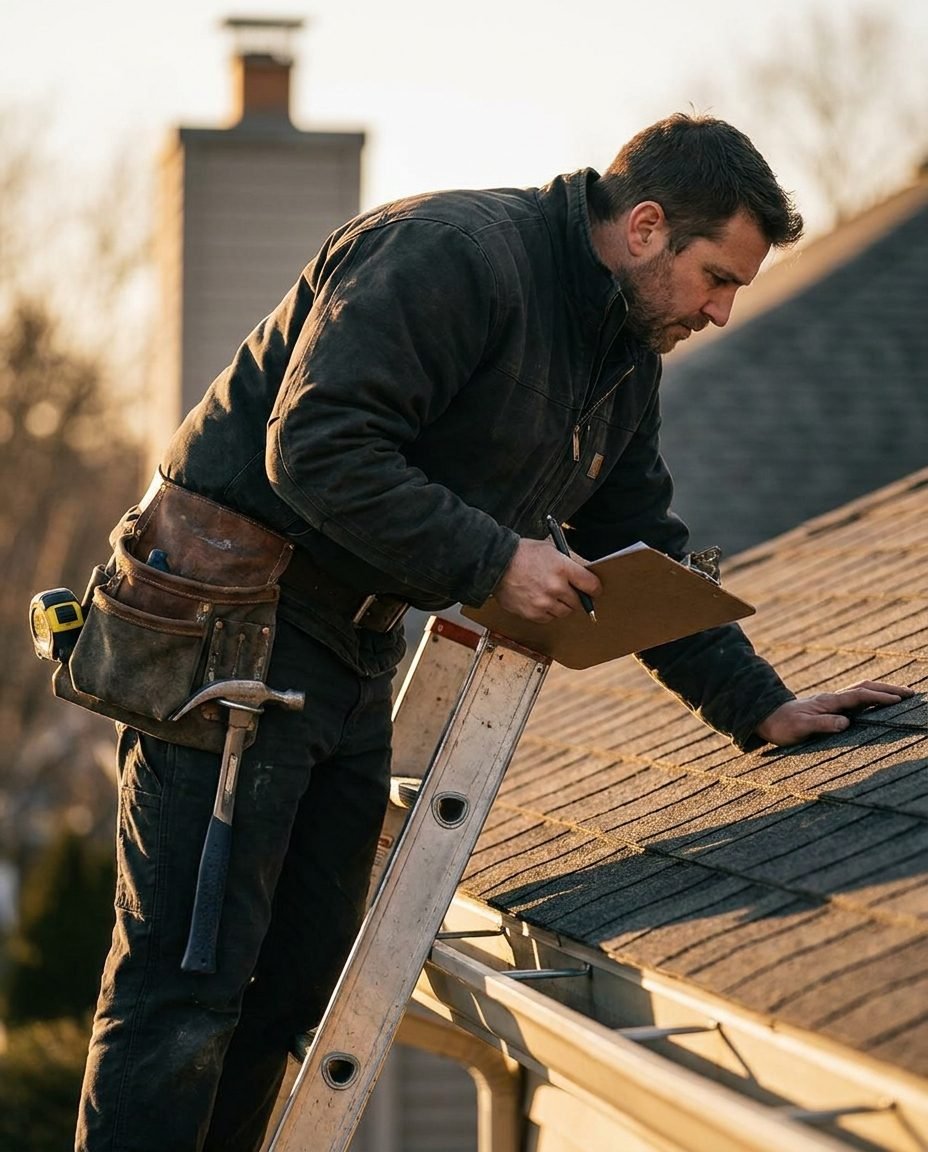
Keep the next step concrete.
- ✓Keep the roof scope and interior remediation scope separate but coordinated so each party knows what has been corrected.
- ✓Record the date, roof area, and weather or symptom that prompted the question.
- ✓Keep photos, invoices, and written recommendations with the roof file.
- ✓Ask when the issue needs professional roof access instead of ground-level monitoring.
Roof leak repair
North Indy Roof Co. can document the roof-side cause and coordinate with the appropriate interior professional when the issue extends beyond roofing.
Explore the serviceTurn the answer into a roof decision.
Use the related service pages for a property-specific conversation, then keep learning with the guides that answer the questions homeowners ask before they call.