How to Prepare Your Home for Roof Replacement
A few small preparations inside and outside the house make a roof replacement safer, quieter, and easier to inspect afterward.
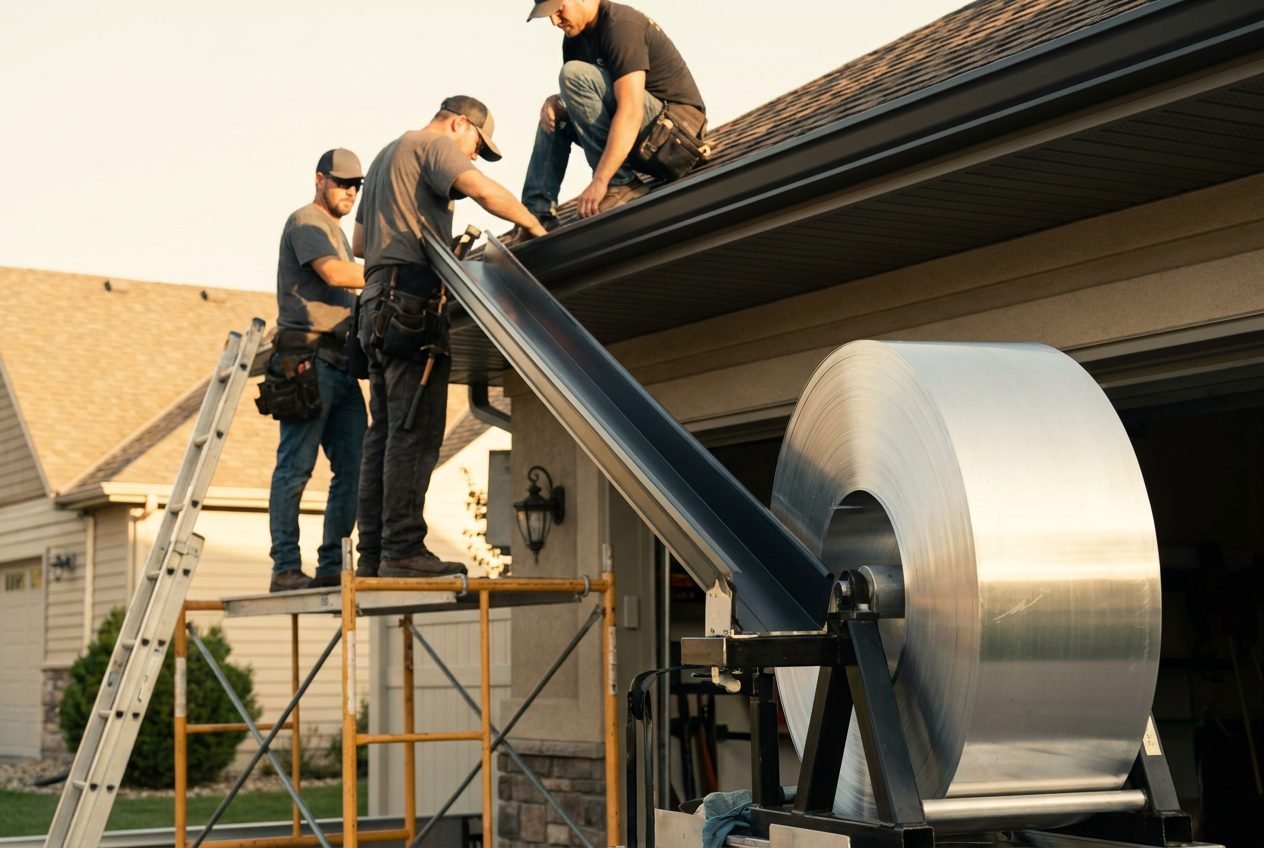
Inside, secure fragile wall decor, expect vibration, protect attic belongings from dust, and plan for pets or children who may be unsettled by the work. Outside, move vehicles, patio furniture, planters, and items near the staging area.
What to look for
Tell the contractor about gates, pets, alarm systems, sprinkler heads, low branches, and any known interior leak. Confirm where materials, debris, and portable equipment will go.
Ask when the crew starts, how weather delays are handled, whether the driveway must remain clear, and what cleanup happens each day. Clear expectations prevent small site questions from becoming project delays.
What to do next
Use the checklist below to make the next conversation specific. If the condition is active, unsafe, or connected to a storm, move the inspection up the calendar.
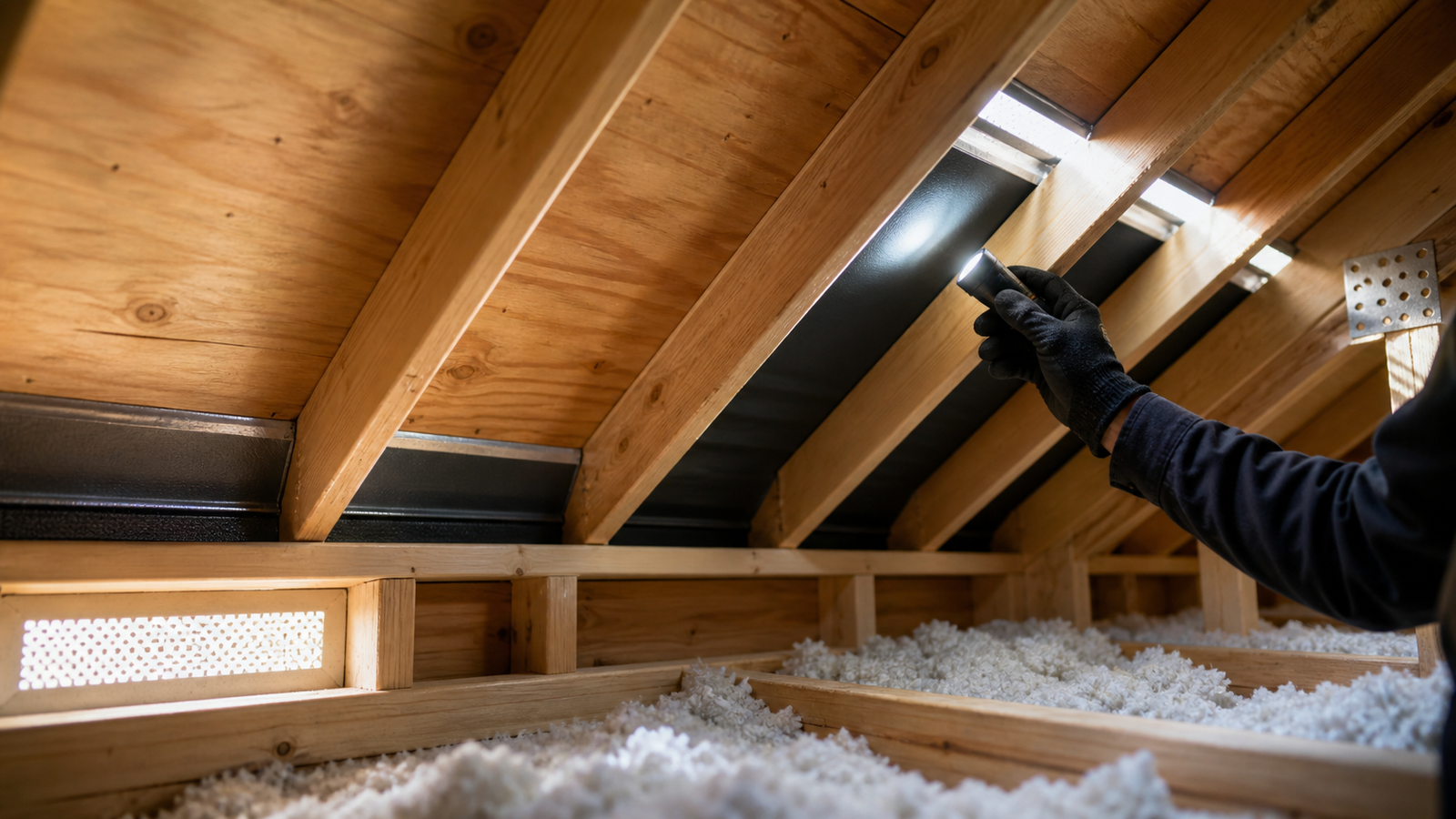
Keep the next step concrete.
- ✓After completion, keep the final scope, warranty paperwork, permit records, and completion photos together.
- ✓Record the date, roof area, and weather or symptom that prompted the question.
- ✓Keep photos, invoices, and written recommendations with the roof file.
- ✓Ask when the issue needs professional roof access instead of ground-level monitoring.
Roof replacement process
The better the pre-start conversation, the fewer decisions have to be made while the roof is open.
Explore the serviceTurn the answer into a roof decision.
Use the related service pages for a property-specific conversation, then keep learning with the guides that answer the questions homeowners ask before they call.