How to Remove Moss Without Damaging Shingles
Moss can hold moisture, lift shingle edges, and make a roof look older than it is. Aggressive cleaning can cause more harm than the growth itself.
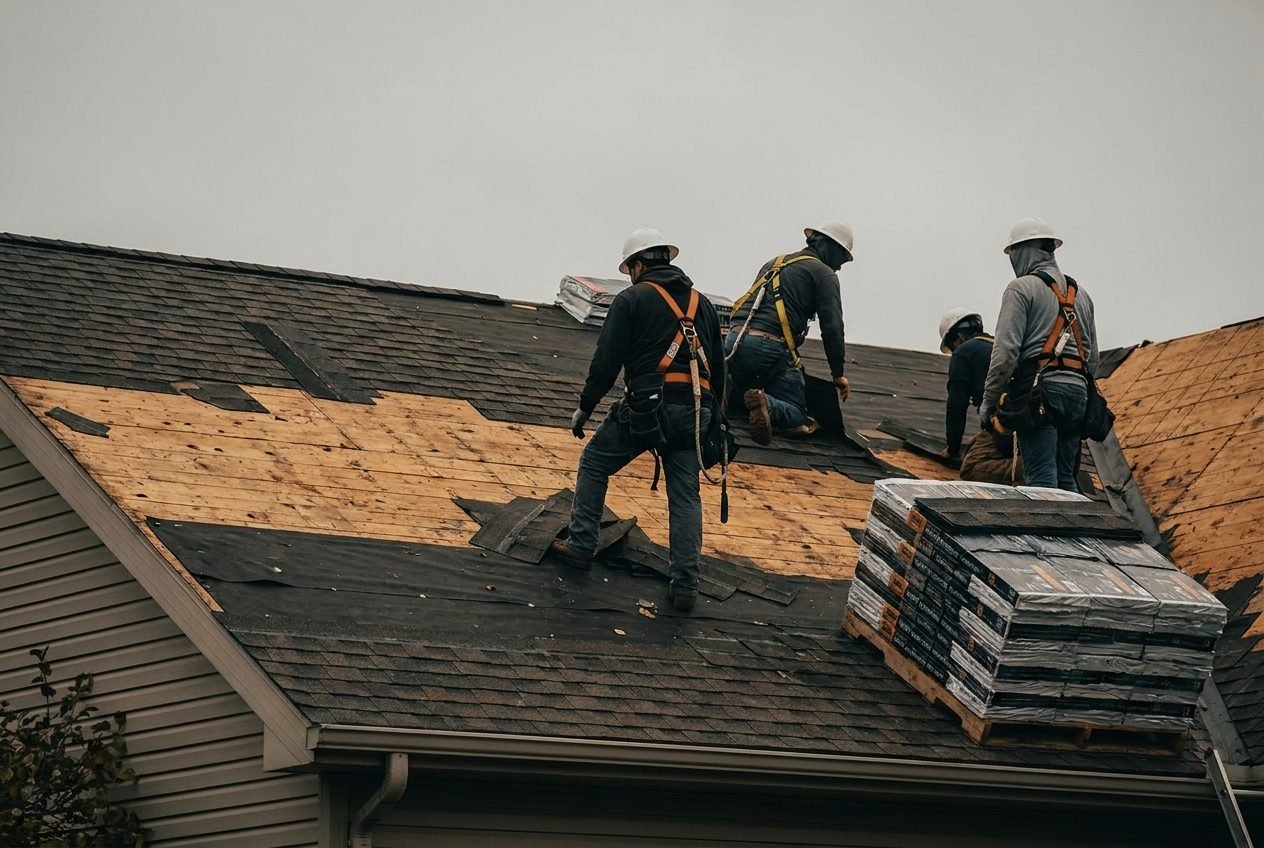
Safe moss removal uses a roof-appropriate method that avoids pressure, scraping, and unnecessary foot traffic. The roof should also be checked for shade, debris, blocked drainage, and moisture conditions that let moss return.
What to look for
Do not pressure-wash asphalt shingles. High pressure can remove protective granules and drive water beneath laps and flashing. A soft-wash or manufacturer-compatible treatment is safer when applied correctly.
Trim branches carefully, keep gutters clear, and improve airflow where practical. Moss on a shaded slope may be a maintenance clue rather than an isolated cosmetic issue.
What to do next
Use the checklist below to make the next conversation specific. If the condition is active, unsafe, or connected to a storm, move the inspection up the calendar.
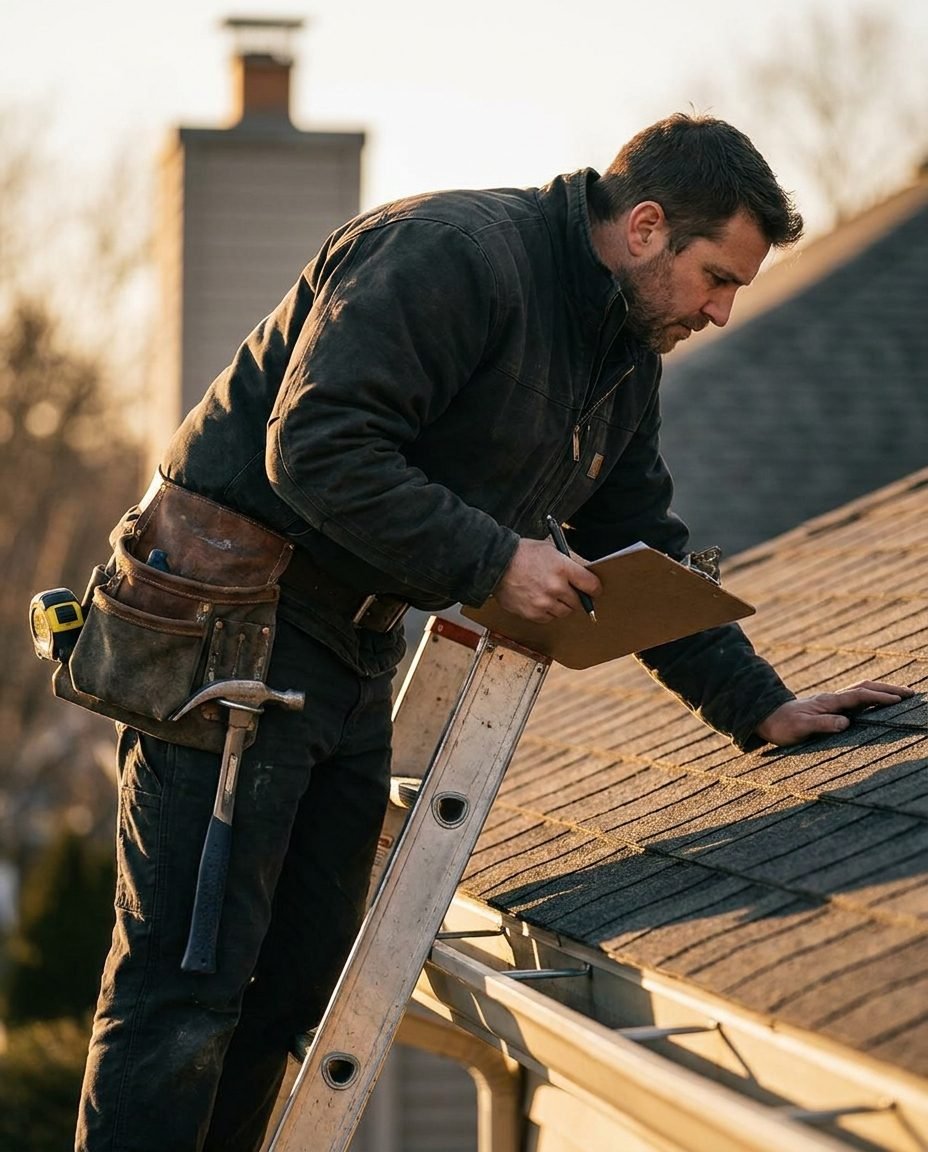
Keep the next step concrete.
- ✓If the shingles are already brittle or lifted, cleaning may not be the right first step. An inspection can determine whether the roof has useful life left.
- ✓Record the date, roof area, and weather or symptom that prompted the question.
- ✓Keep photos, invoices, and written recommendations with the roof file.
- ✓Ask when the issue needs professional roof access instead of ground-level monitoring.
Roof cleaning and moss treatment
North Indy Roof Co. can separate a cleanable roof from one where growth is revealing deeper age or moisture problems.
Explore the serviceTurn the answer into a roof decision.
Use the related service pages for a property-specific conversation, then keep learning with the guides that answer the questions homeowners ask before they call.