Roof Underlayment: What Indiana Winter Weather Tests
Shingles are the visible layer, but underlayment helps manage water when wind, ice, and melting snow push moisture beneath the surface.
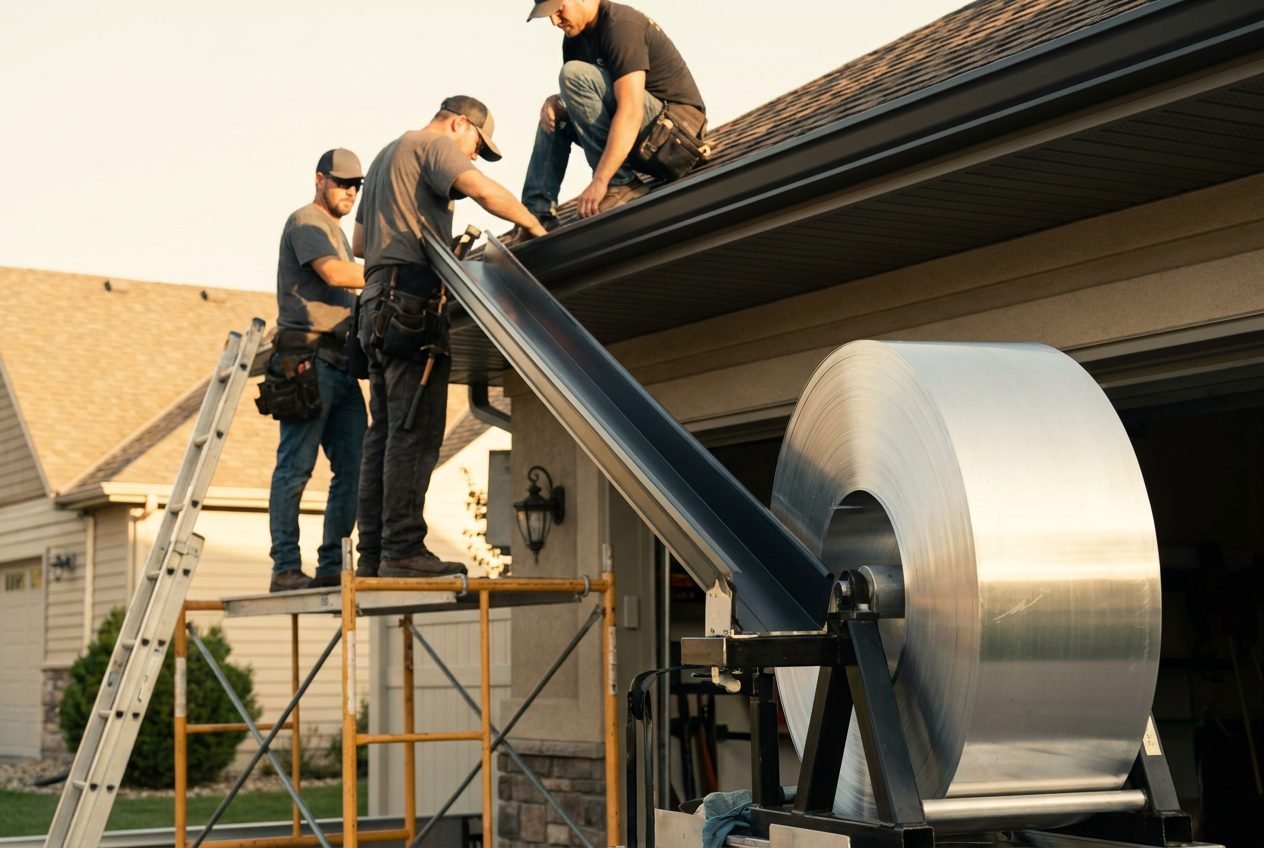
Roof underlayment is a water-shedding layer installed beneath the roof covering. Synthetic underlayment, felt, and ice-and-water shield each have different roles, and the correct combination depends on the roof assembly and local requirements.
What to look for
Ice-and-water protection is most important where water can back up or concentrate: eaves, valleys, roof-to-wall transitions, and around penetrations. It is not a substitute for correct flashing or ventilation.
Winter conditions expose weak details. Freeze-thaw movement, wind-driven rain, and ice dams can find small gaps that remain quiet during a dry summer. The underlayment should be integrated with the edge and flashing system rather than left as an isolated product choice.
What to do next
Use the checklist below to make the next conversation specific. If the condition is active, unsafe, or connected to a storm, move the inspection up the calendar.
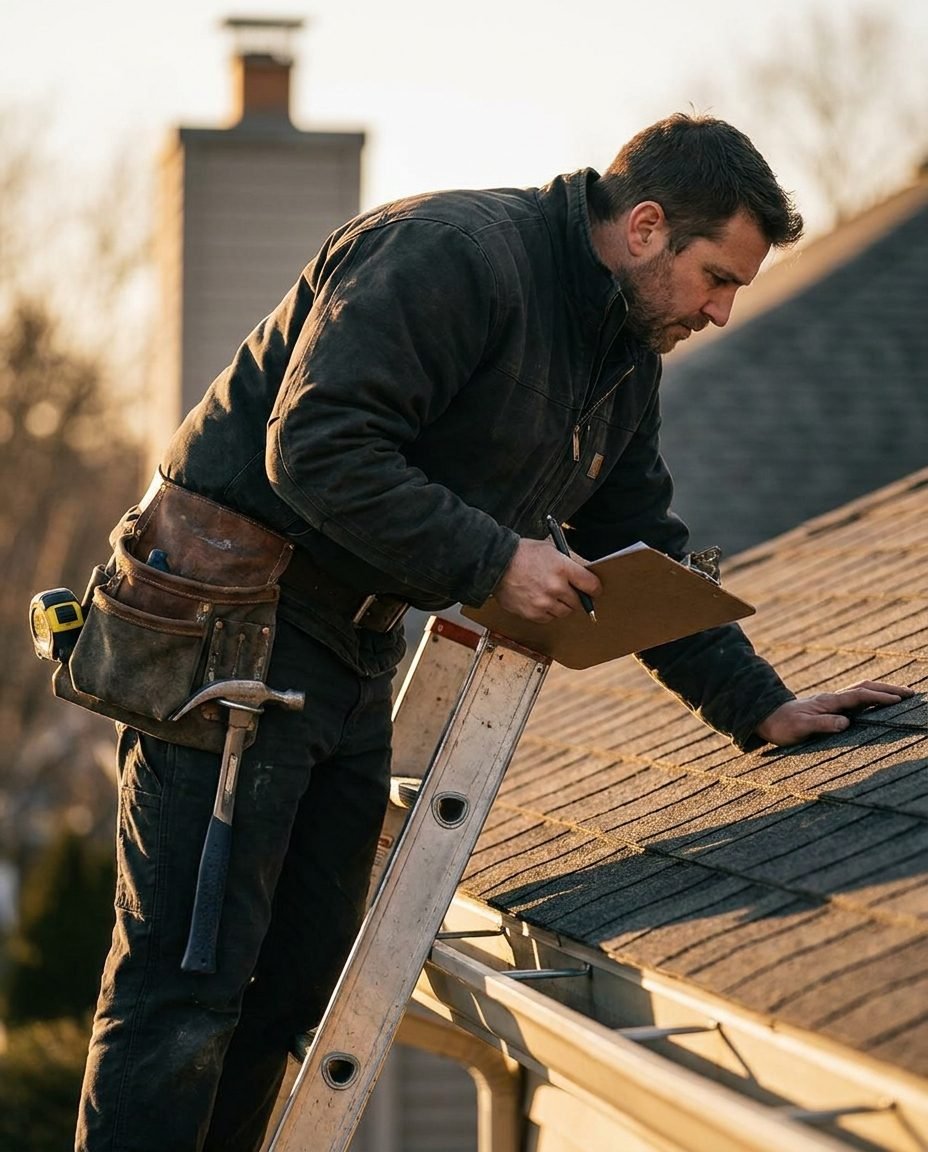
Keep the next step concrete.
- ✓Ask the contractor which underlayment is included, where it will be installed, and how it connects to flashing and drip edge.
- ✓Record the date, roof area, and weather or symptom that prompted the question.
- ✓Keep photos, invoices, and written recommendations with the roof file.
- ✓Ask when the issue needs professional roof access instead of ground-level monitoring.
Roof replacement materials
The right underlayment is part of a complete roof scope, not a line item to hide under a generic 'materials' allowance.
Explore the serviceTurn the answer into a roof decision.
Use the related service pages for a property-specific conversation, then keep learning with the guides that answer the questions homeowners ask before they call.