What a Roofing Contractor Should Photograph
Roof photos are more useful when they show location, context, and the reason a repair is being recommended—not just a close-up with a circle around it.
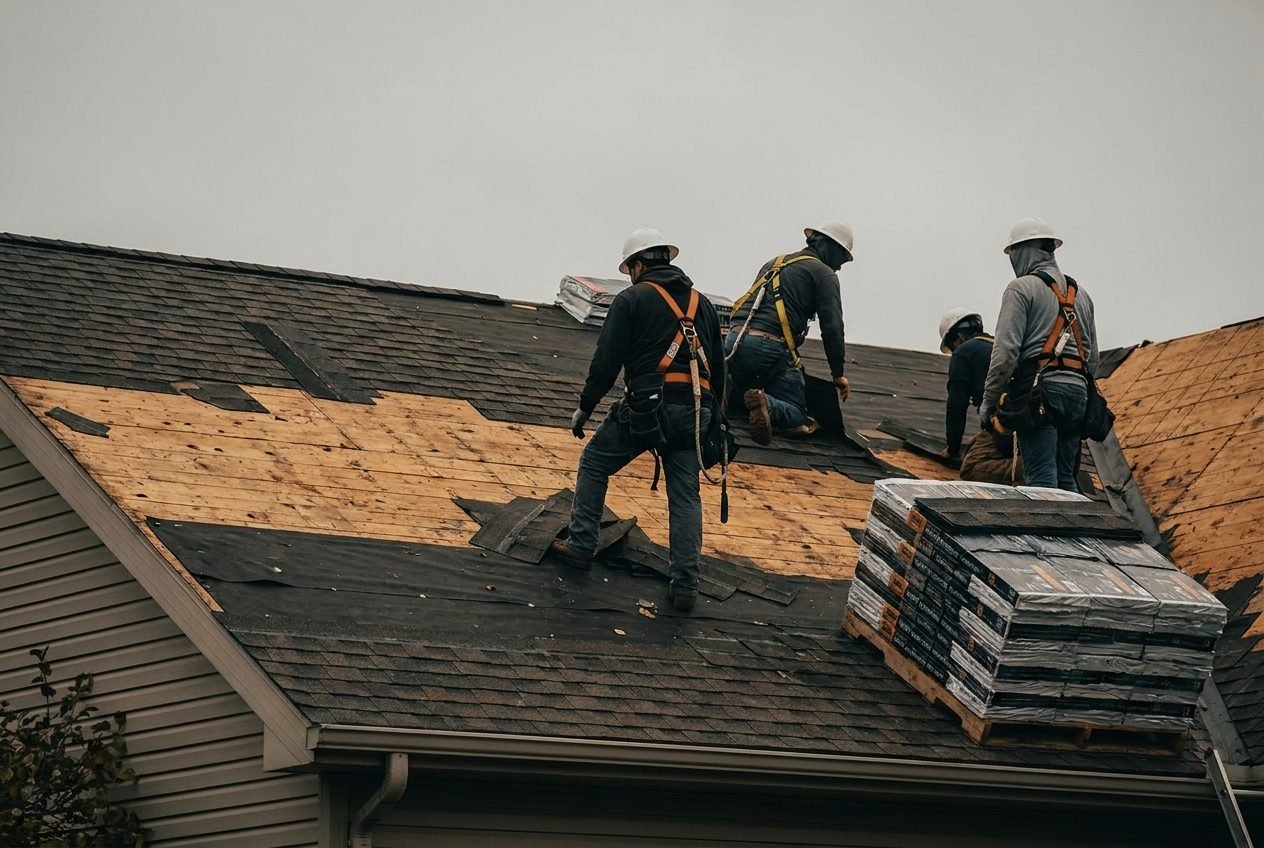
Good roofing inspection photos show the roof elevation, the defect, nearby components, and the relationship to the interior symptom. They help homeowners compare estimates and keep a record for insurance, warranties, and future repairs.
What to look for
Ask for wide images of each roof plane, closer images of valleys and penetrations, and clear photos of any damaged decking or flashing. A photo log should tell you where the camera was standing and what part of the roof you are seeing.
Photos should record unaffected areas when they help explain the pattern. That balance is especially important after wind or hail because a credible report distinguishes storm-created damage from older wear.
What to do next
Use the checklist below to make the next conversation specific. If the condition is active, unsafe, or connected to a storm, move the inspection up the calendar.
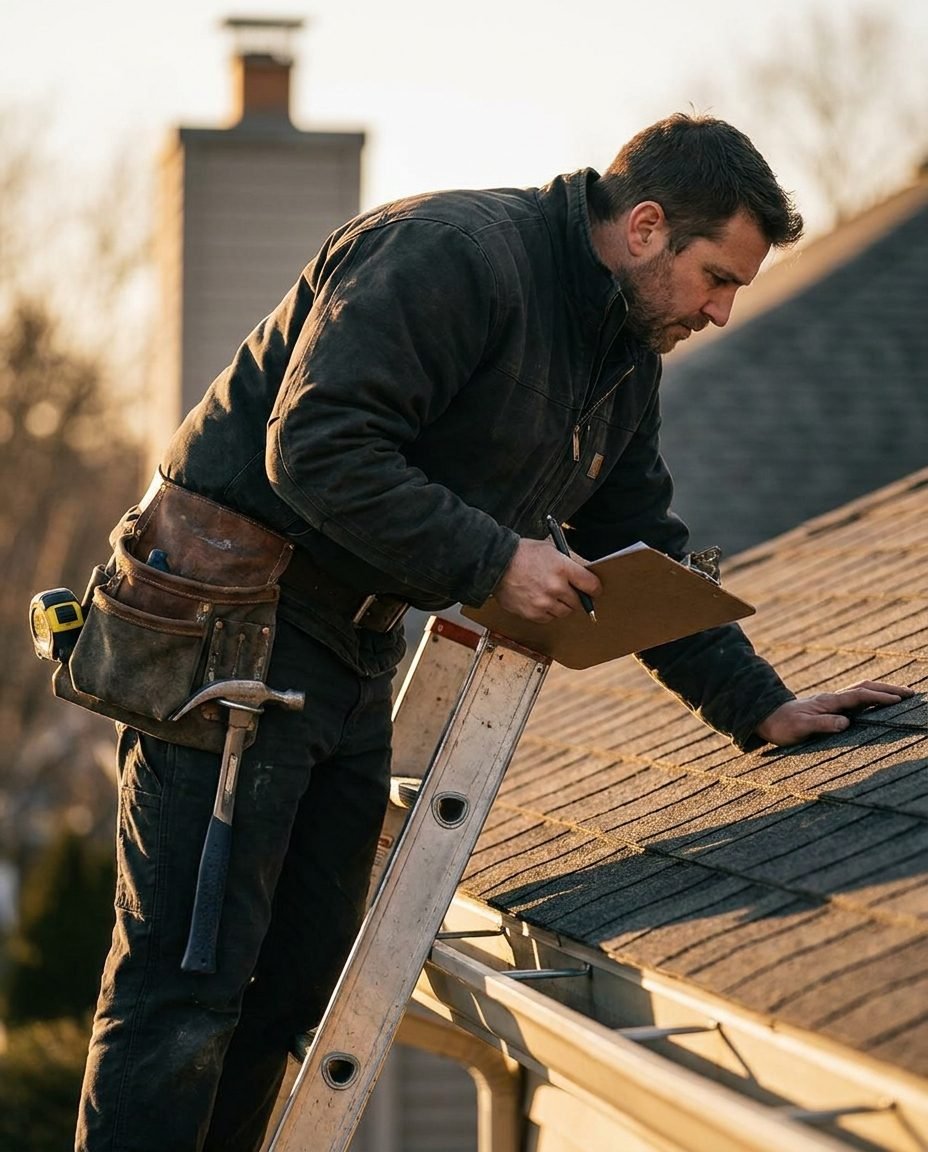
Keep the next step concrete.
- ✓Keep the original photos with the estimate, inspection date, and final completion record.
- ✓Record the date, roof area, and weather or symptom that prompted the question.
- ✓Keep photos, invoices, and written recommendations with the roof file.
- ✓Ask when the issue needs professional roof access instead of ground-level monitoring.
Roof inspection before buying
North Indy Roof Co. organizes inspection evidence around the decision you need to make: repair, replace, monitor, document, or request more information.
Explore the serviceTurn the answer into a roof decision.
Use the related service pages for a property-specific conversation, then keep learning with the guides that answer the questions homeowners ask before they call.