7 Red Flags of a Bad Roofing Contractor (Storm Chasers)
Every major storm brings out-of-state crews knocking on doors within days — here's how to tell them apart from a contractor who'll still be around in five years.
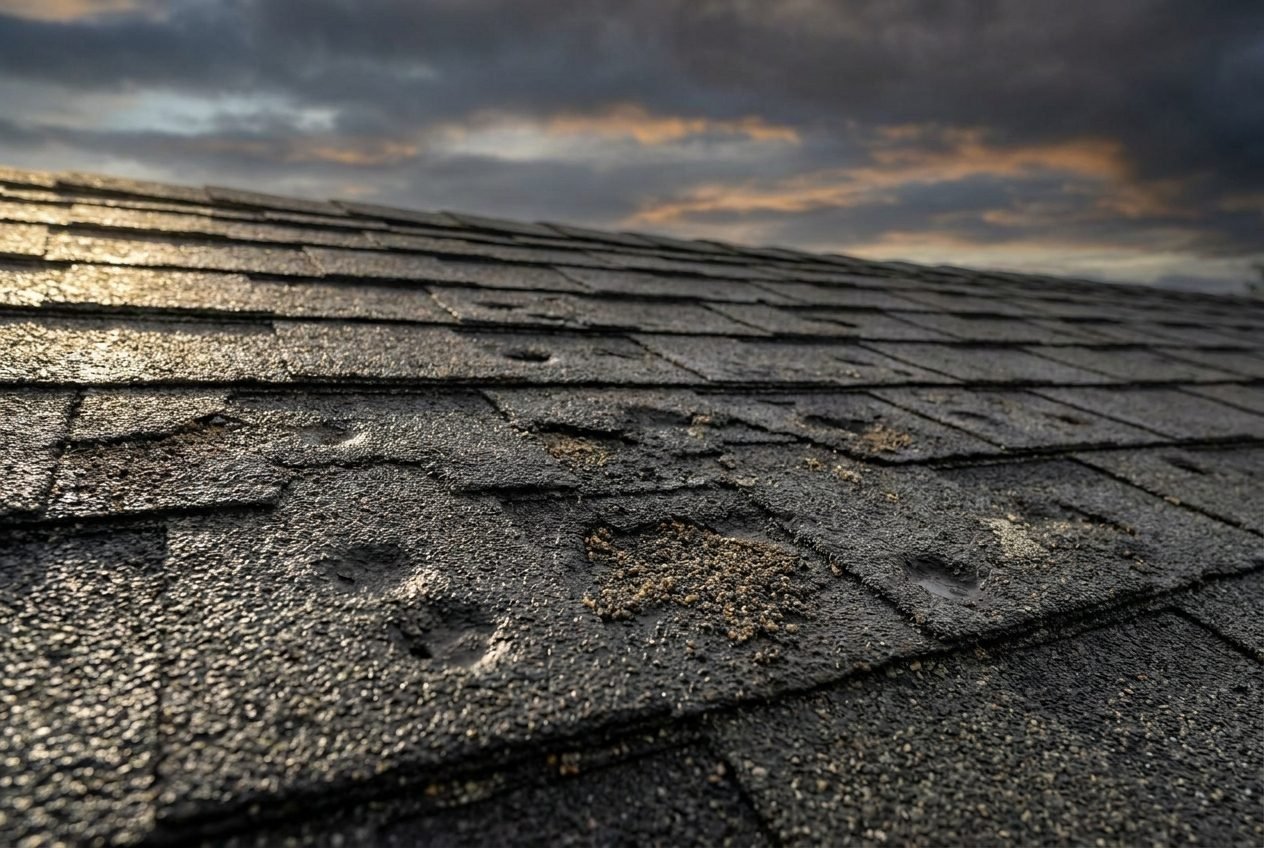
Door-to-door pressure right after a storm
Legitimate local contractors don't typically need to canvass neighborhoods door-to-door within 48 hours of a storm. If someone shows up unsolicited pushing you to sign a contract immediately, that urgency itself is a signal — a reputable company will schedule an inspection on your timeline, not theirs.
No permanent local address or long-standing presence
A contractor with no verifiable local address, or one that only appeared in your area after a recent storm, is worth a second look. Ask directly how long they've worked in your specific county — a vague or evasive answer is a red flag.
Demanding full payment upfront
A reasonable deposit is normal; a demand for full payment before any work begins is not. This structure gives you no leverage if the work is subpar or the crew disappears mid-project, which has happened often enough with storm-chasing operations to be a well-documented pattern.
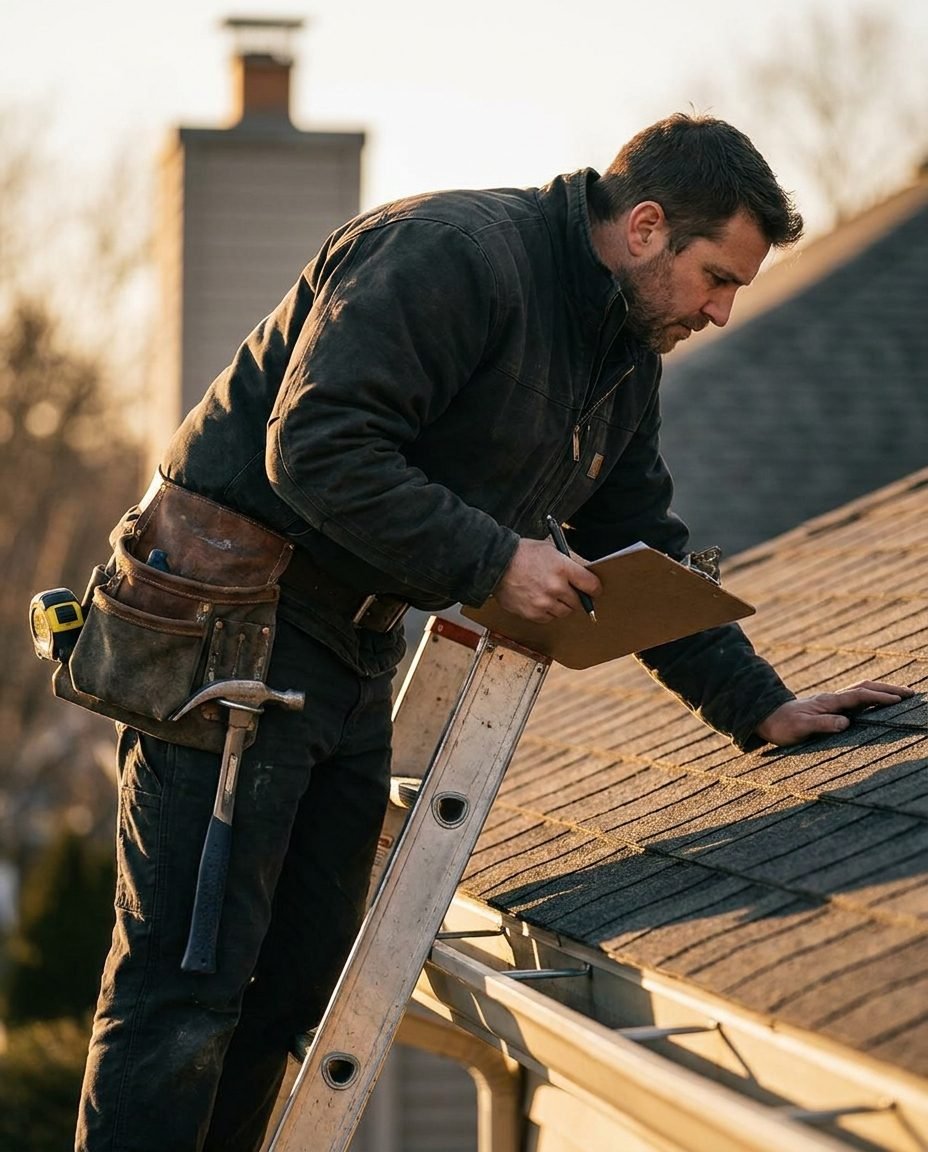
No written, itemized estimate
A vague verbal quote with no material specifications, scope detail, or warranty terms in writing leaves you with no recourse if something goes wrong. Insist on a detailed written estimate before signing anything.
Pressure to inflate an insurance claim
Be cautious of any contractor who suggests exaggerating damage or adding unrelated work to an insurance claim. This crosses into insurance fraud, and you — not the contractor — bear the legal exposure if it's discovered.
No verifiable insurance or licensing
Ask for proof of liability insurance and any required state or local licensing, and verify it independently rather than taking their word for it. Uninsured contractors leave you liable for accidents that happen on your property during the work.
Vague or missing warranty terms
A contractor unwilling to specify workmanship warranty length and terms in writing, separate from the manufacturer's material warranty, is a sign they may not plan on being reachable if a problem develops later.