Wind Uplift vs. Hail Damage: How the Roof Evidence Differs
Wind and hail can arrive in the same storm, but they leave different clues. Knowing the difference makes an inspection and an insurance conversation more accurate.
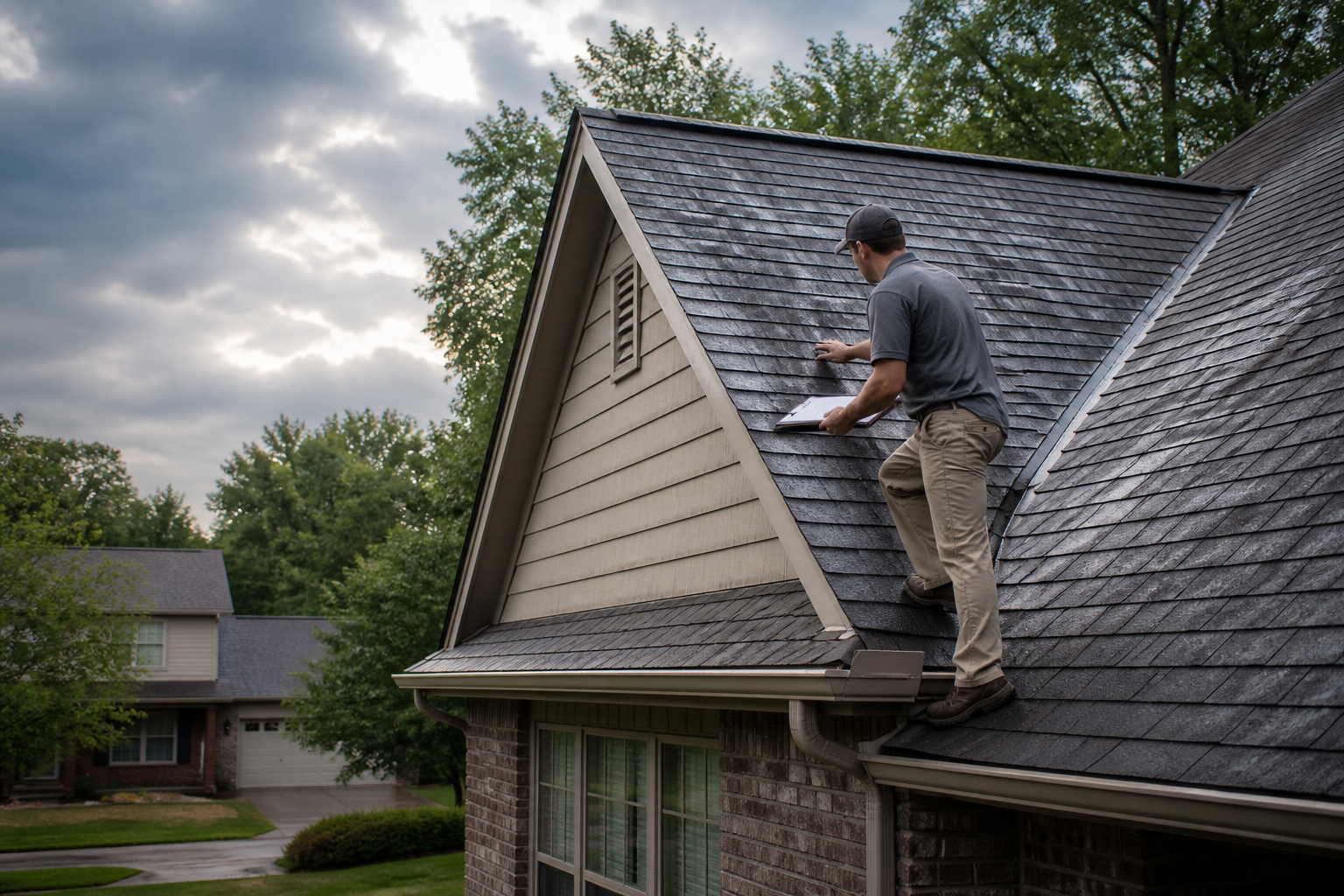
Wind uplift usually affects seals, tabs, ridge caps, edges, and loose or displaced components. Hail impact is more localized and may show as bruising, granule loss, or marks on soft metals and accessories.
What to look for
The pattern matters more than a single dramatic photo. Wind damage often follows exposed edges or a roof plane; hail can appear across elevations depending on storm direction and severity.
A roof can also have older wear, algae, blistering, and previous repairs. A careful report records those separately so the condition is not oversimplified into one cause.
What to do next
Use the checklist below to make the next conversation specific. If the condition is active, unsafe, or connected to a storm, move the inspection up the calendar.
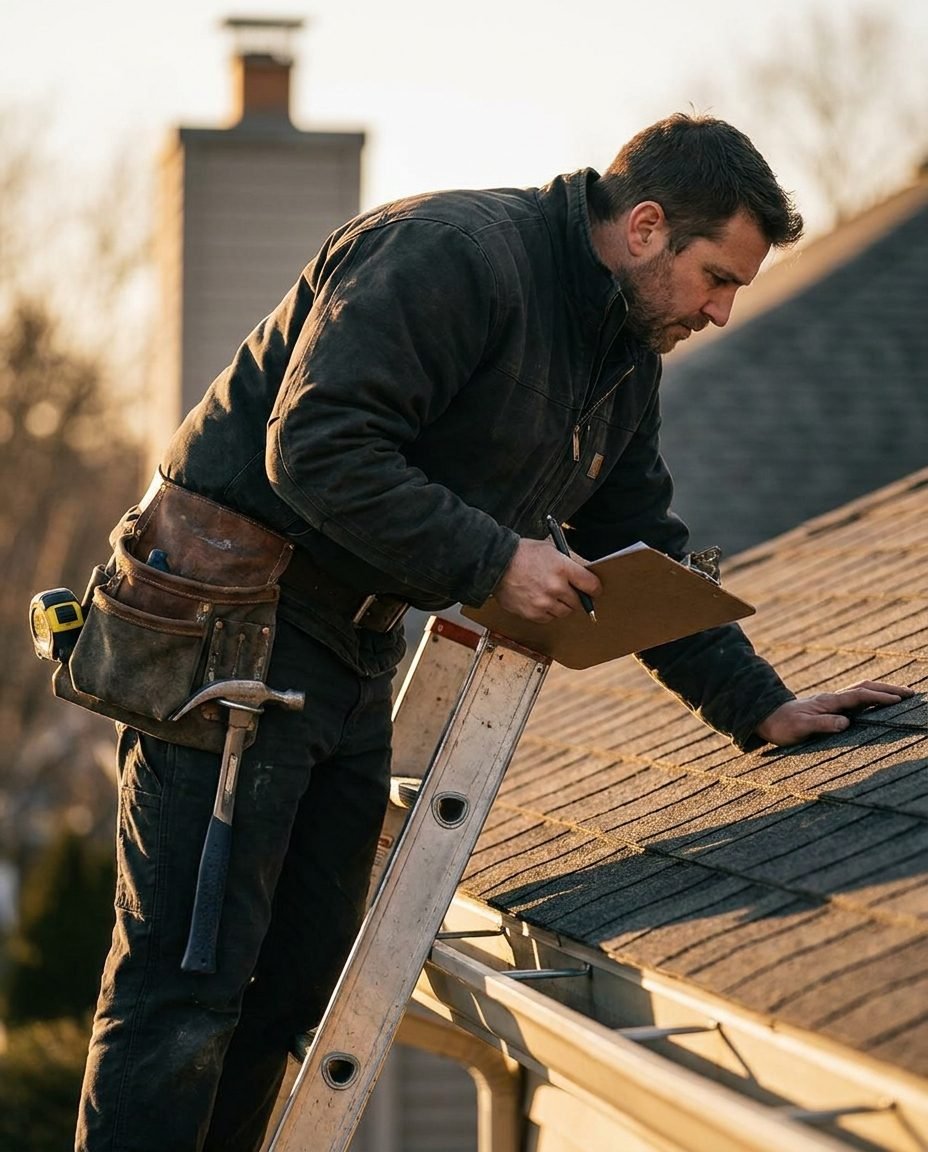
Keep the next step concrete.
- ✓Do not assume a storm label determines the repair. The roof's age, material, matching availability, and extent of damage still matter.
- ✓Record the date, roof area, and weather or symptom that prompted the question.
- ✓Keep photos, invoices, and written recommendations with the roof file.
- ✓Ask when the issue needs professional roof access instead of ground-level monitoring.
Hail damage roof inspection
North Indy Roof Co. documents the physical evidence and leaves coverage decisions to the policy and insurer.
Explore the serviceTurn the answer into a roof decision.
Use the related service pages for a property-specific conversation, then keep learning with the guides that answer the questions homeowners ask before they call.