Ridge-Cap Shingles: The Roof Detail Homeowners Forget
Ridge-cap shingles finish the highest lines of a roof and protect a vulnerable transition. They also do more visual and weather work than their small size suggests.
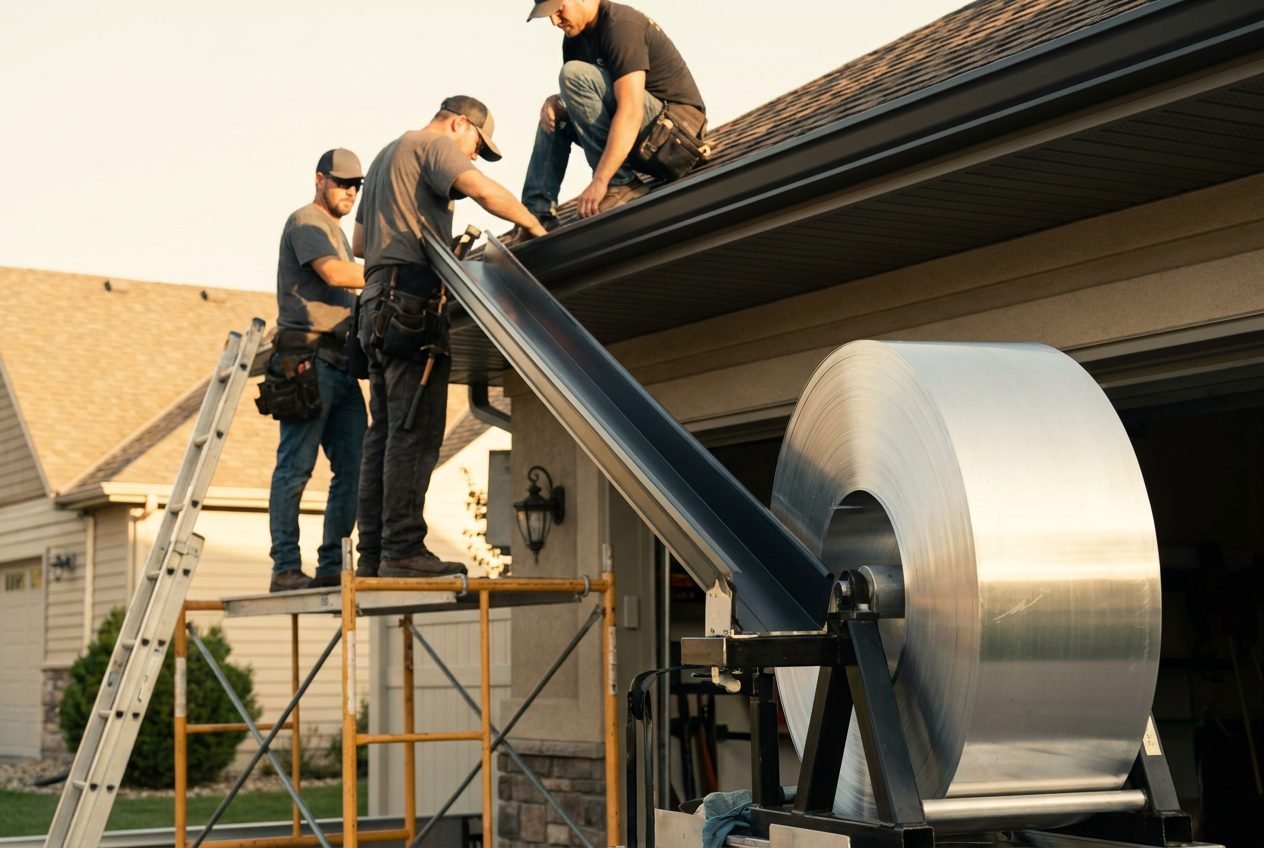
Ridge-cap shingles are thicker or specially shaped pieces installed over roof ridges and hips. They must be compatible with the field shingles, installed with the right fasteners, and integrated with ventilation where a ridge vent is present.
What to look for
Loose, cracked, or mismatched ridge caps can admit wind and water. A roof inspection should check the ridge line after storms and whenever you see fragments in gutters or the yard.
Do not let a replacement estimate list 'shingles' without saying what happens at hips, ridges, and vents. Ridge-cap labor and materials are part of the roof system.
What to do next
Use the checklist below to make the next conversation specific. If the condition is active, unsafe, or connected to a storm, move the inspection up the calendar.
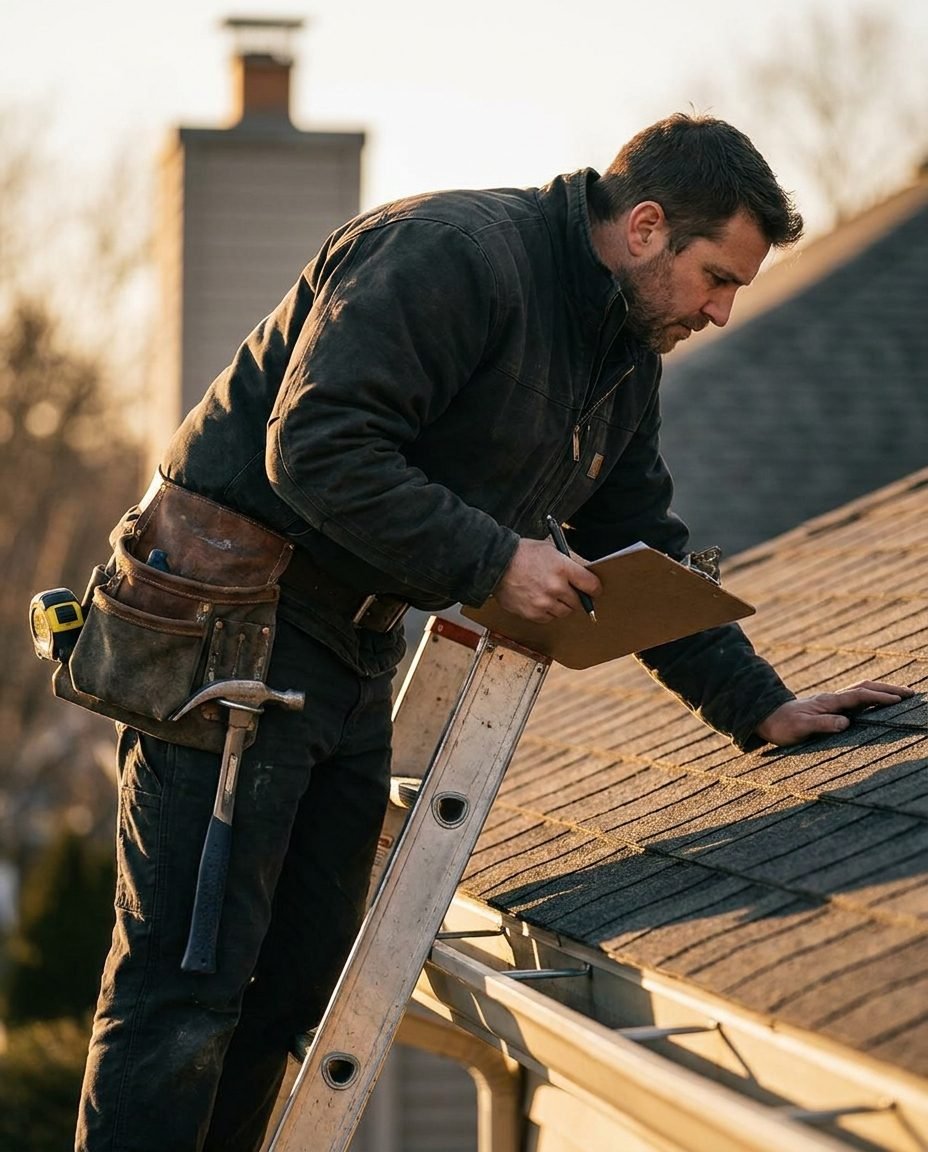
Keep the next step concrete.
- ✓If a ridge vent is present, the cap installation must preserve its airflow path while keeping weather out.
- ✓Record the date, roof area, and weather or symptom that prompted the question.
- ✓Keep photos, invoices, and written recommendations with the roof file.
- ✓Ask when the issue needs professional roof access instead of ground-level monitoring.
Roof repair
A targeted ridge-cap repair may solve a localized issue; widespread brittle material may make a larger project more practical.
Explore the serviceTurn the answer into a roof decision.
Use the related service pages for a property-specific conversation, then keep learning with the guides that answer the questions homeowners ask before they call.