Drip Edge Roofing: Why the Metal at the Eave Matters
Drip edge is a small metal component with a large job: it helps direct water away from the roof edge and protects the fascia and deck from runoff that would otherwise curl backward.
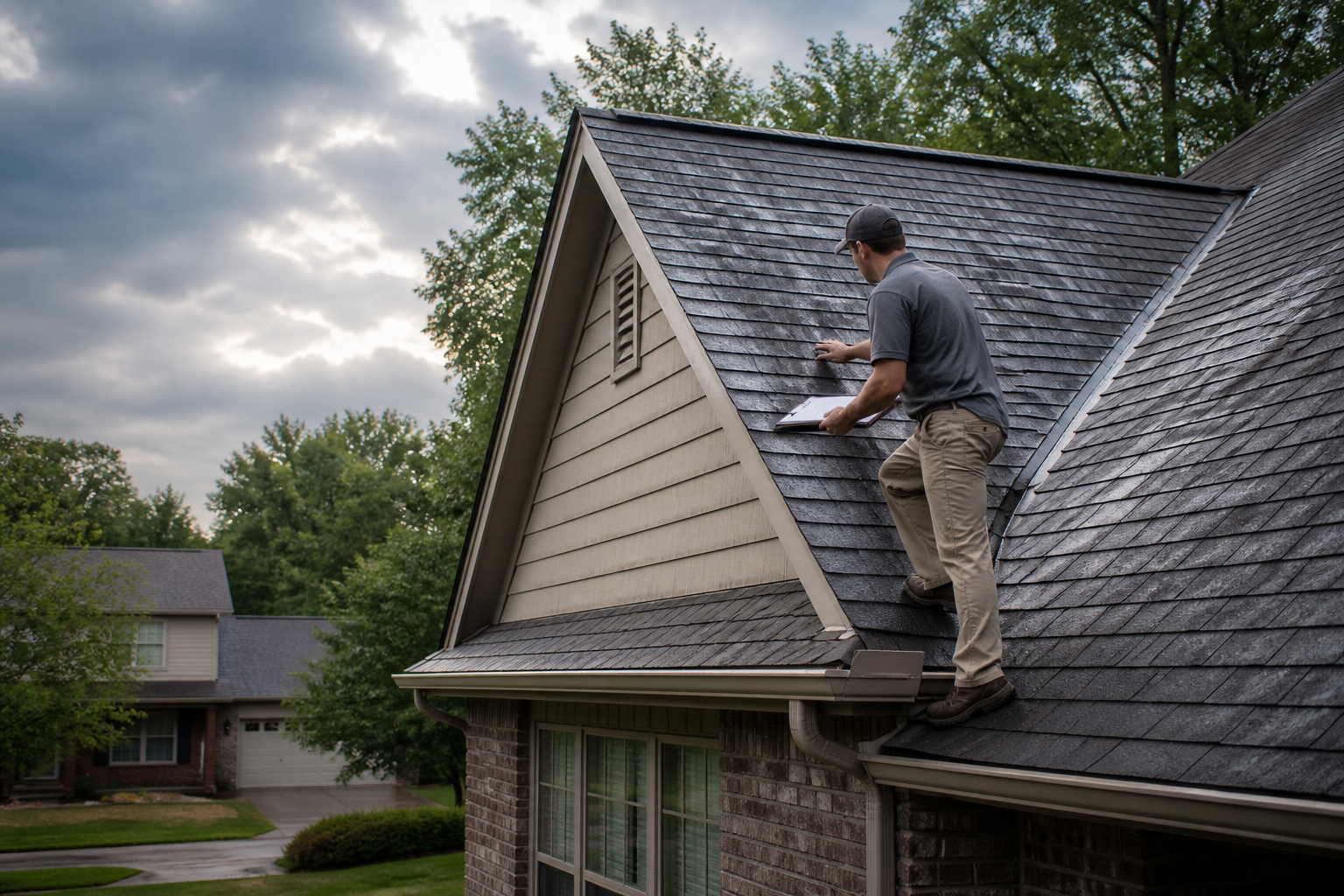
Drip edge is installed along roof edges to create a controlled transition from the roof covering to the gutter or exterior. It works with underlayment, starter material, fascia, and gutters; it is not a decorative strip that can be ignored during replacement.
What to look for
When drip edge is missing, corroded, buried, or installed in the wrong sequence, water can stain fascia, wet the deck edge, or run behind the gutter. Wind can also find exposed edge material more easily.
Ask whether drip edge is being replaced, how it connects to underlayment, and whether fascia or gutter conditions will change the installation.
What to do next
Use the checklist below to make the next conversation specific. If the condition is active, unsafe, or connected to a storm, move the inspection up the calendar.
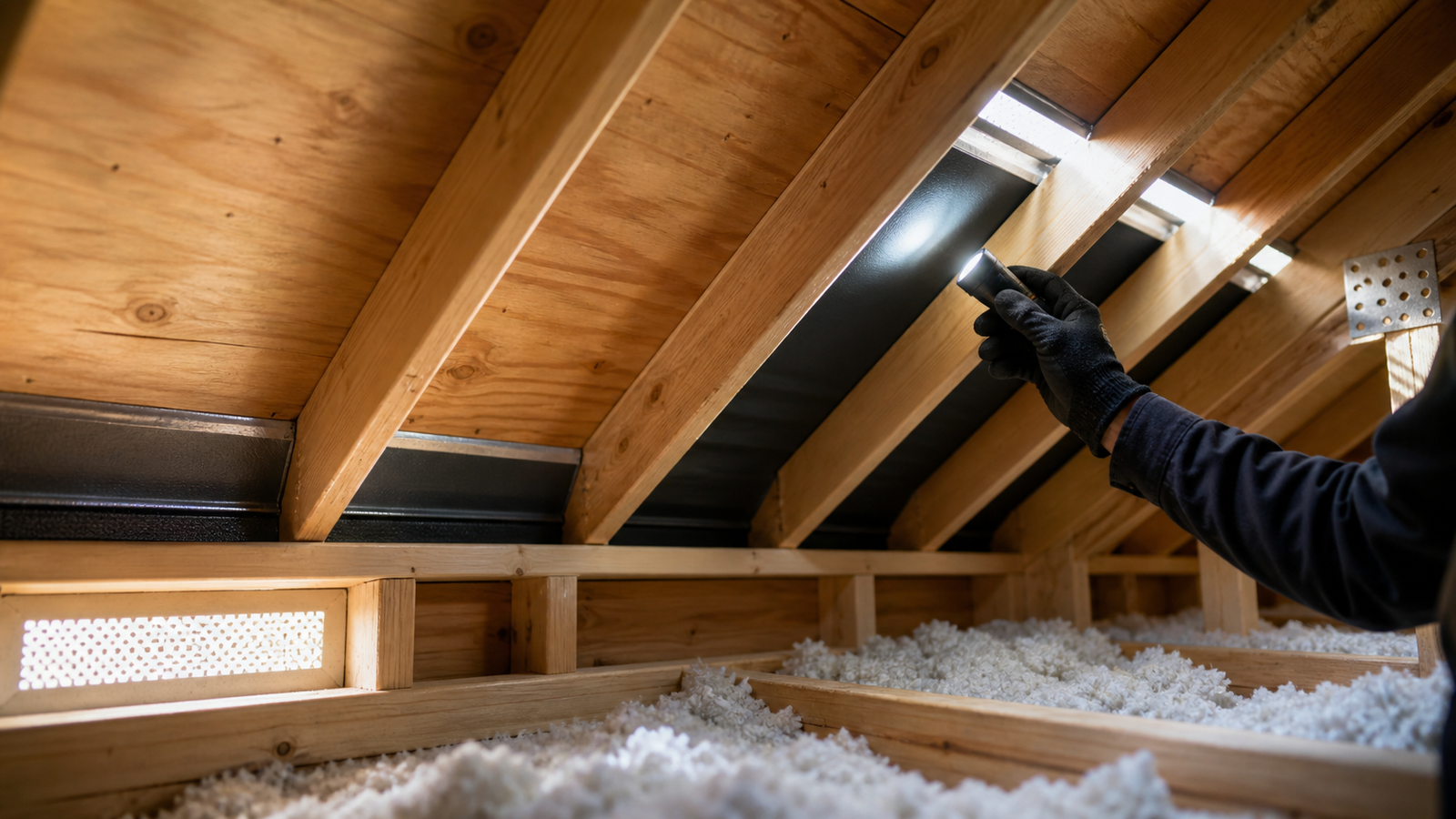
Keep the next step concrete.
- ✓A new roof with an old failing edge detail is a missed opportunity. Edge work should be visible in the estimate.
- ✓Record the date, roof area, and weather or symptom that prompted the question.
- ✓Keep photos, invoices, and written recommendations with the roof file.
- ✓Ask when the issue needs professional roof access instead of ground-level monitoring.
Roof replacement
North Indy Roof Co. checks the roof edge as part of the larger water-management system.
Explore the serviceTurn the answer into a roof decision.
Use the related service pages for a property-specific conversation, then keep learning with the guides that answer the questions homeowners ask before they call.