Wall Flashing and the Roof Leaks It Can Cause
A roof that meets a wall creates a place where water can hide. Sidewall, step, and kick-out flashing need to move water out and away from the siding rather than behind it.
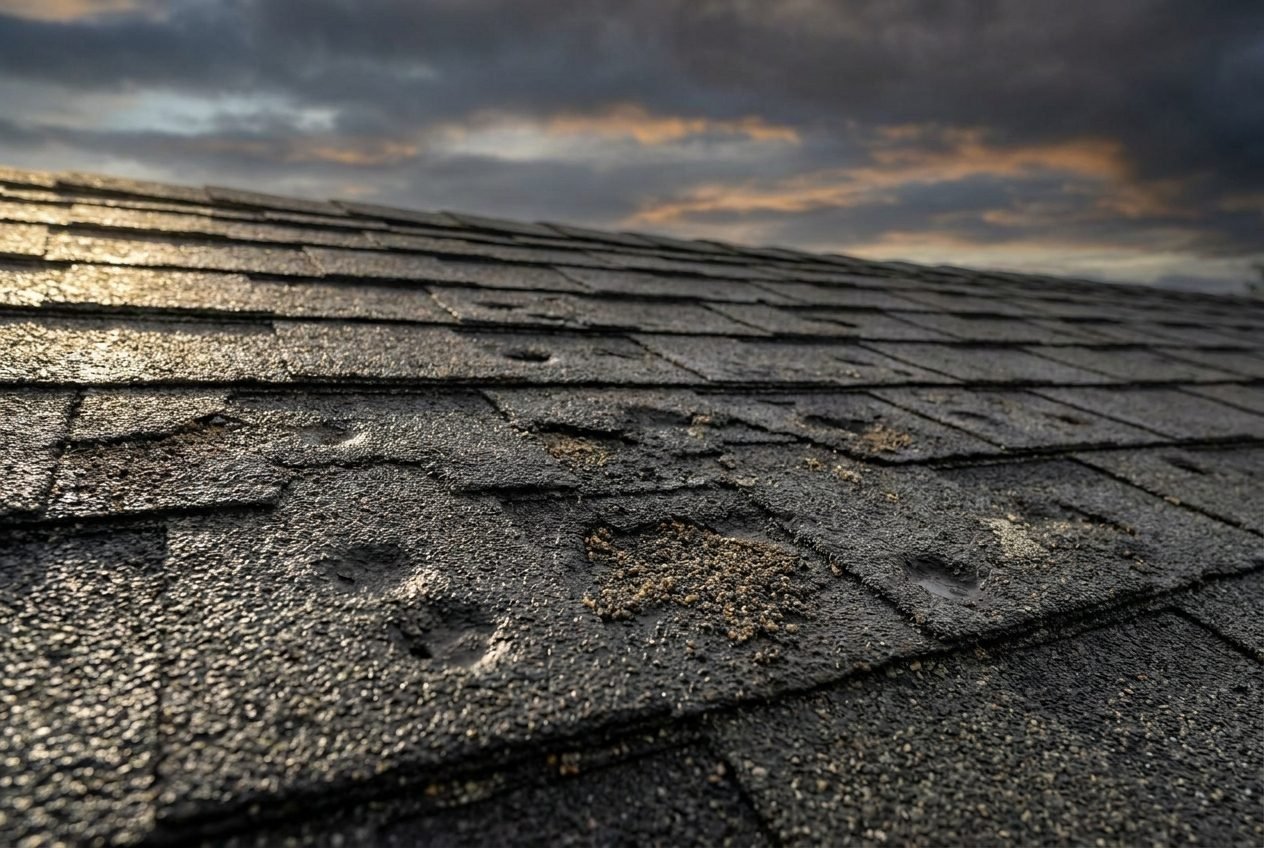
Wall flashing is the layered material that protects a roof-to-wall intersection. Step flashing works with each shingle course; kick-out flashing directs water into the gutter; counterflashing or siding details protect the upper edge.
What to look for
Leaks may show inside several feet away, especially when wind-driven rain travels along decking. Look for staining near exterior walls, damp insulation, peeling siding, or water marks below a roof intersection.
A durable repair often requires opening the roof and siding enough to see the layer sequence. Surface caulk can be part of a detail, but it cannot substitute for missing or mis-lapped flashing.
What to do next
Use the checklist below to make the next conversation specific. If the condition is active, unsafe, or connected to a storm, move the inspection up the calendar.
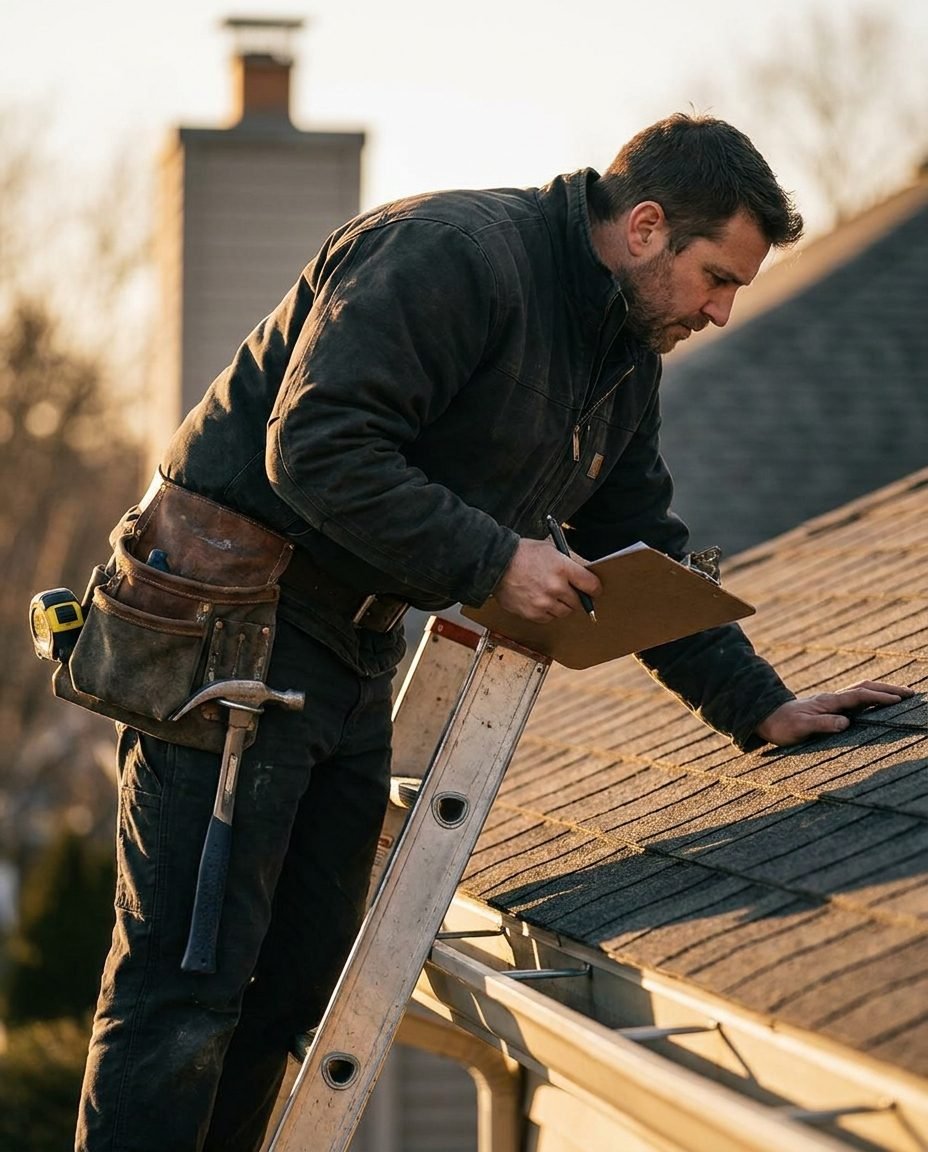
Keep the next step concrete.
- ✓When a new roof is installed, coordinate roof flashing with siding, masonry, and gutter work so the repair does not leave one trade's water path unfinished.
- ✓Record the date, roof area, and weather or symptom that prompted the question.
- ✓Keep photos, invoices, and written recommendations with the roof file.
- ✓Ask when the issue needs professional roof access instead of ground-level monitoring.
Roof flashing repair
A photo-backed inspection can show whether the issue is flashing, siding, roof material, or a combination.
Explore the serviceTurn the answer into a roof decision.
Use the related service pages for a property-specific conversation, then keep learning with the guides that answer the questions homeowners ask before they call.