Roof Replacement After Storm Damage
After a damaging storm, homeowners need a sequence that protects the house, preserves evidence, and keeps the replacement decision grounded in the roof's actual condition.
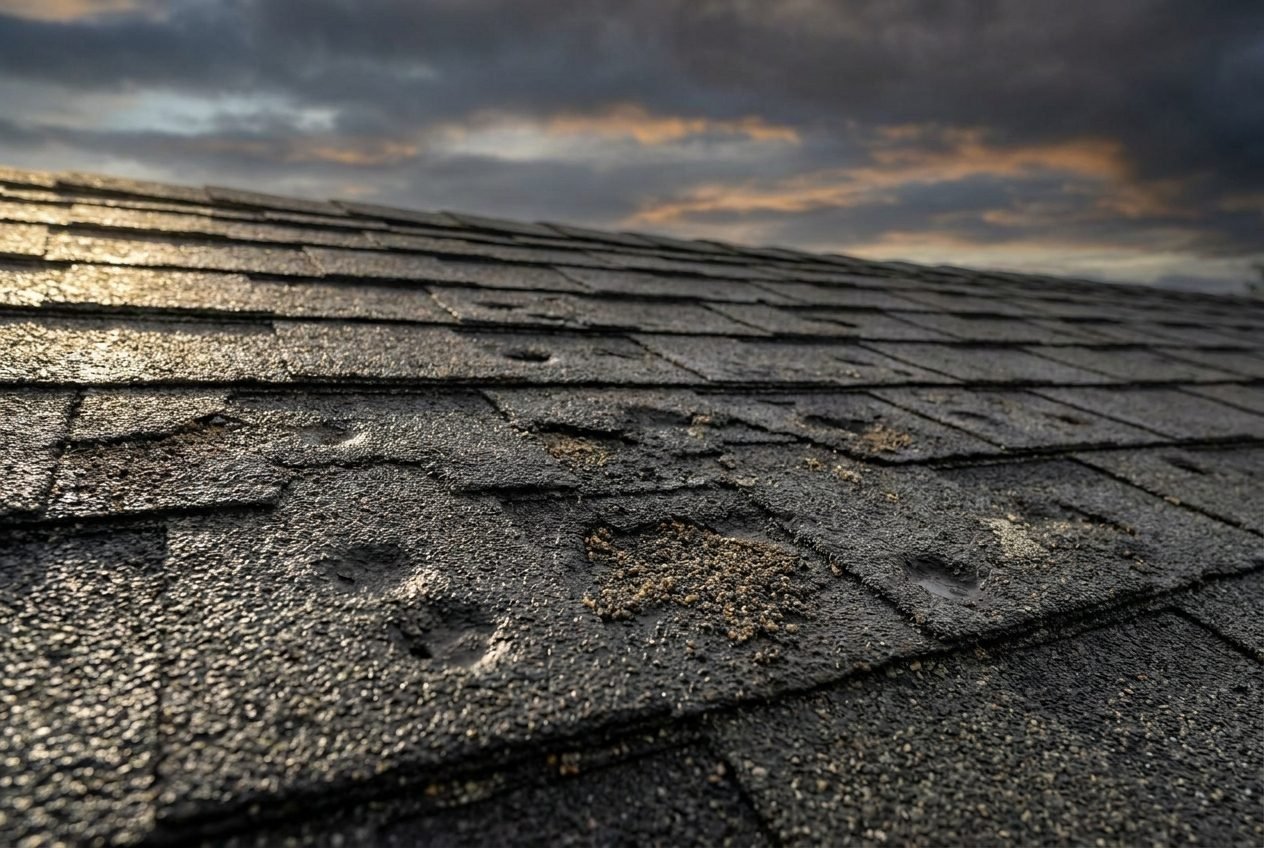
Roof replacement after storm damage begins with temporary protection and documentation, then moves through inspection, claim coordination if applicable, scope approval, material selection, scheduling, and installation. A storm does not remove the need for normal roof planning.
First protect the interior
If water is entering, use safe temporary protection and move belongings away from the affected area. Do not walk on a wet roof or let a contractor destroy damaged components before the condition is documented.
Photograph the date, weather, exterior debris, interior stains, and any emergency work. Keep invoices for temporary protection and note whether the leak continued after the storm.
Then determine the right scope
A storm can create repairable damage, widespread damage, or damage on top of an aging roof. The inspection should separate those conditions and explain whether the roof can be restored, whether replacement is more practical, and what concealed conditions could change the scope.
If insurance is involved, compare the contractor's report with the adjuster's report. Coverage is a policy question; the contractor's job is to describe the roof and the work required.
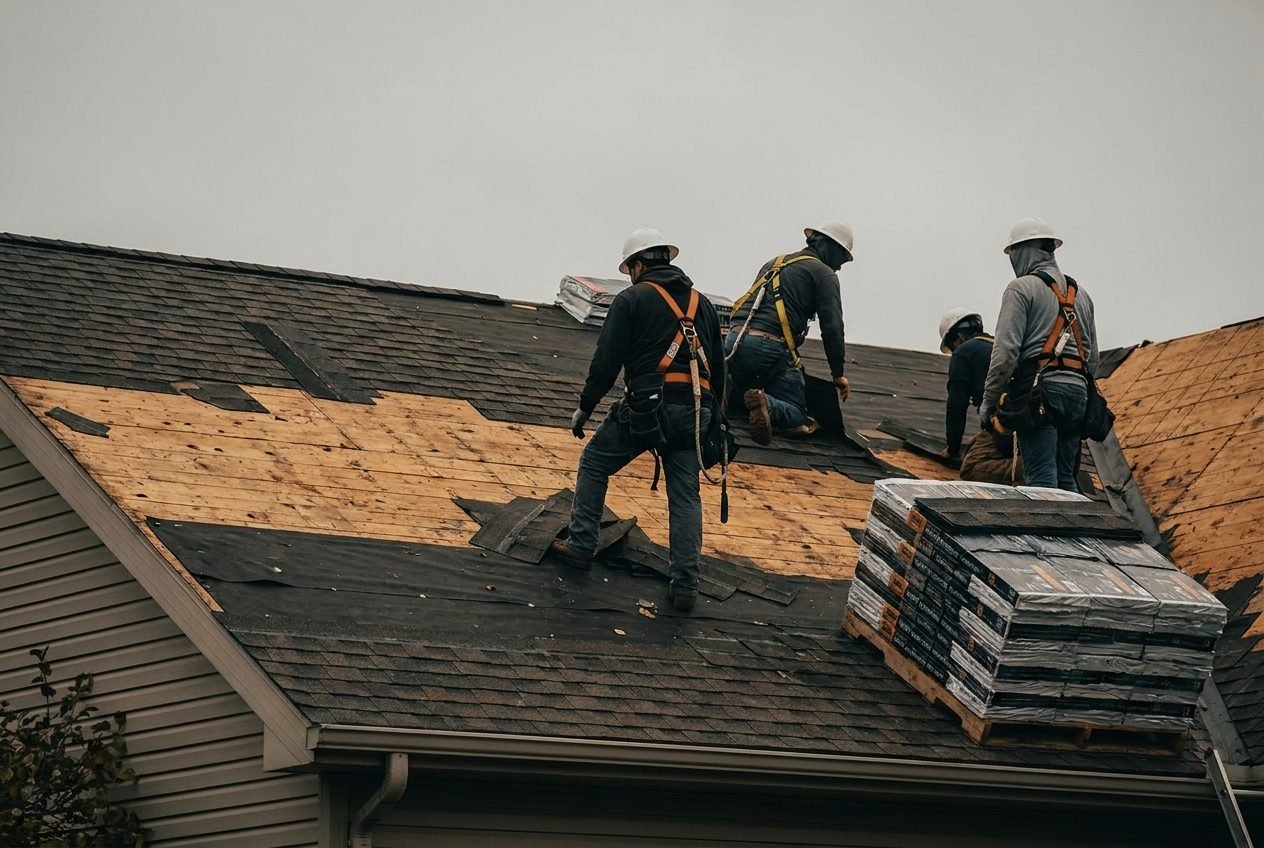
Choose material with the recovery timeline in mind
Homeowners often want to choose a new color or upgrade while they are under pressure. First confirm HOA or historic requirements, the roof's geometry, existing sections that must tie in, and the material that can be properly installed in the available window.
A rushed upgrade can create a new coordination problem if the product is unavailable, incompatible with an existing slope, or not approved by the community.
Close the loop after installation
Keep the final scope, photos, permit and warranty documents, invoices, and claim correspondence together. Walk the property for cleanup, gutters, flashing, attic evidence, and any interior follow-up.
A storm recovery is complete when the home is protected and the record is clear—not merely when the last shingle is nailed.
A better roof decision starts with a visible scope.
- ✓Stop additional water intrusion safely
- ✓Document before removing damaged material
- ✓Separate repair, replacement, and coverage questions
- ✓Keep a complete post-project record
Turn the answer into a roof decision.
Use the related service pages for a property-specific conversation, then keep learning with the guides that answer the questions homeowners ask before they call.