How to Read a Roofing Estimate — What Actually Matters
The bottom-line number tells you almost nothing on its own — here's what to actually check before comparing two quotes.
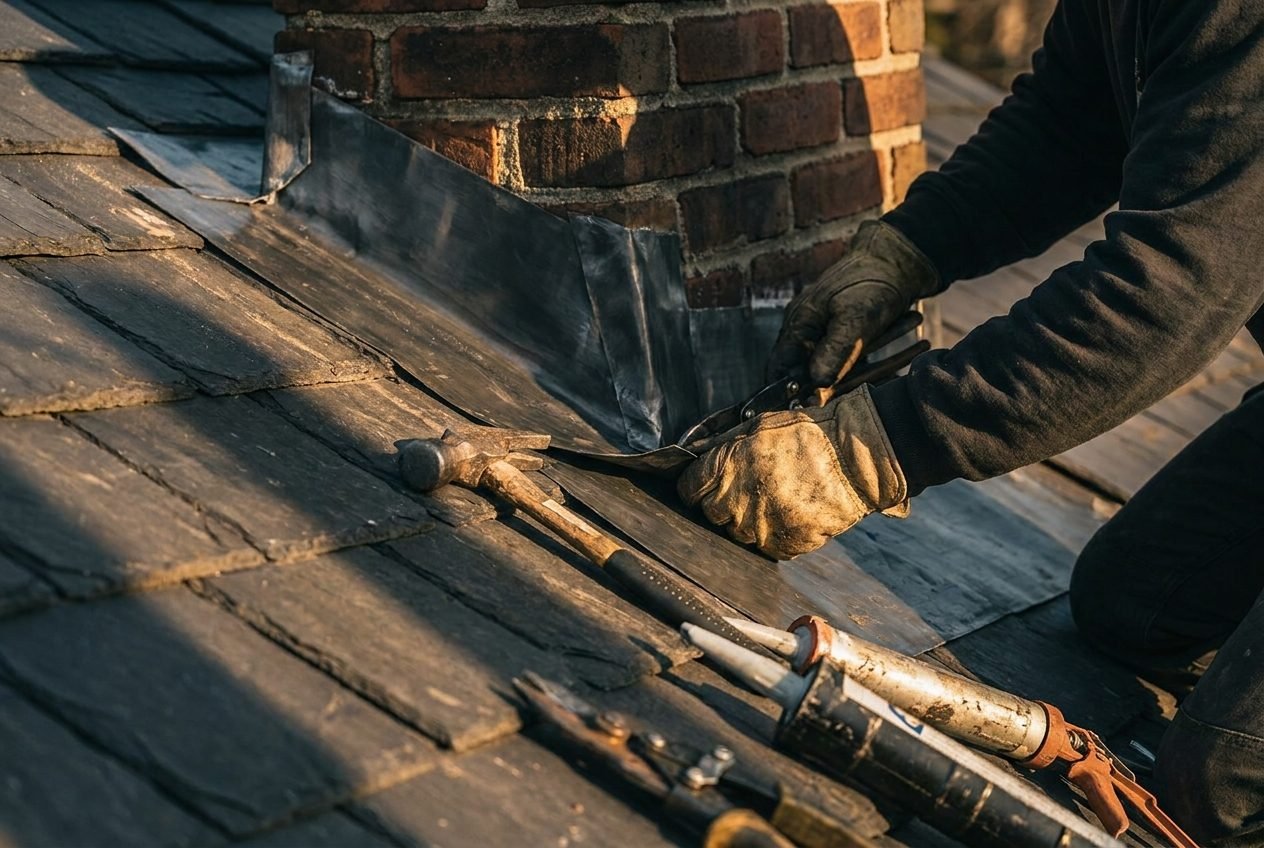
Two estimates with the same total can mean very different projects
It's common to receive quotes with similar bottom-line totals that describe completely different scopes of work once you read the fine print — different underlayment types, different flashing detail, or one quote including decking replacement as needed while another assumes none will be required. Comparing totals alone tells you almost nothing.
Material specifics, not just brand names
A legitimate estimate lists the specific shingle line, underlayment type, and flashing material being used — not just a manufacturer name with no further detail. 'GAF shingles' describes dozens of different products at very different price points; the specific product line matters for both appearance and warranty terms.
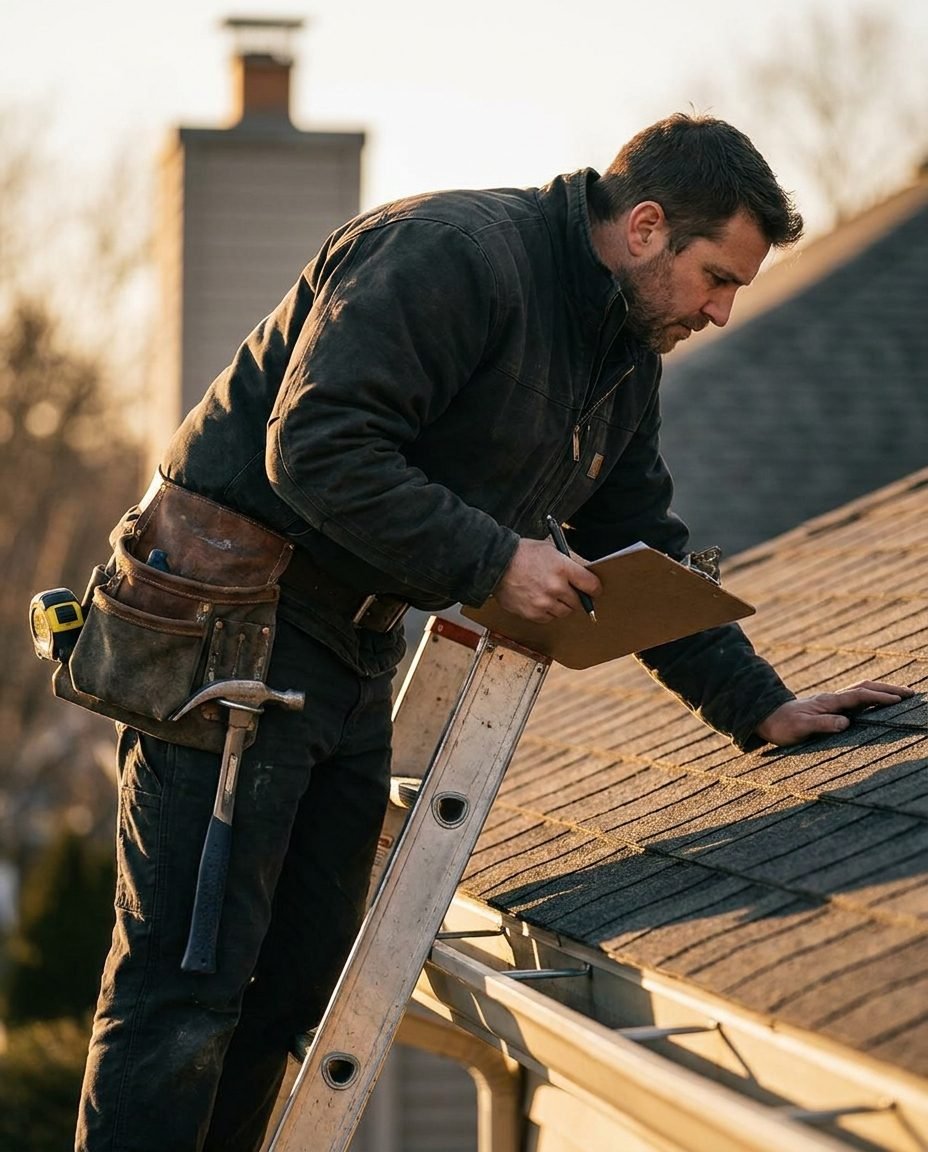
Scope of work, spelled out
Look for explicit mention of what happens with flashing, ventilation, and any decking replacement, along with cleanup and disposal terms. A quote that's vague on these details often becomes the source of a change-order surprise mid-project — not because the contractor is dishonest, but because the scope was never actually pinned down in writing.
Warranty terms in writing
Both a manufacturer material warranty and a separate contractor workmanship warranty should be specified, along with their respective lengths. A verbal promise of a 'lifetime warranty' without written specifics is not something you can rely on if a problem shows up years later.