Where Ice and Water Shield Belongs on an Indiana Roof
Ice-and-water shield is a self-adhering membrane used in vulnerable roof areas. It is valuable protection, but placement and integration matter more than simply saying a roof has it.
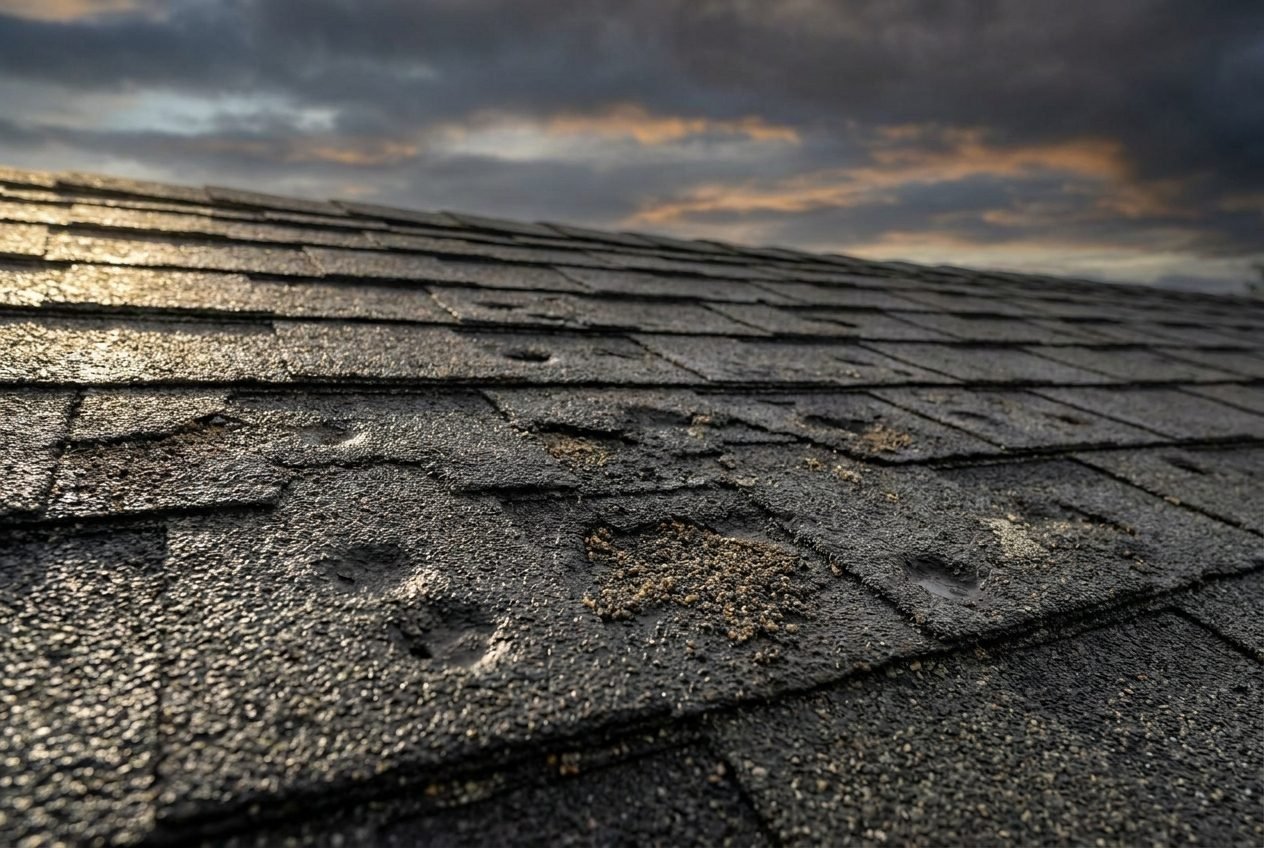
Ice-and-water shield is commonly considered at eaves, valleys, roof-to-wall transitions, penetrations, and other locations where water can back up or concentrate. The exact scope should follow the roof design, manufacturer requirements, and local practice.
What to look for
The membrane should connect with drip edge, underlayment, and flashing without creating a reverse lap. Poor sequencing can trap water or leave the edge unprotected even when the product appears on the material list.
Ice dams, wind-driven rain, and snowmelt expose these details. A roof that needs additional protection at a valley is not necessarily failing everywhere; the goal is to reinforce the actual water paths.
What to do next
Use the checklist below to make the next conversation specific. If the condition is active, unsafe, or connected to a storm, move the inspection up the calendar.
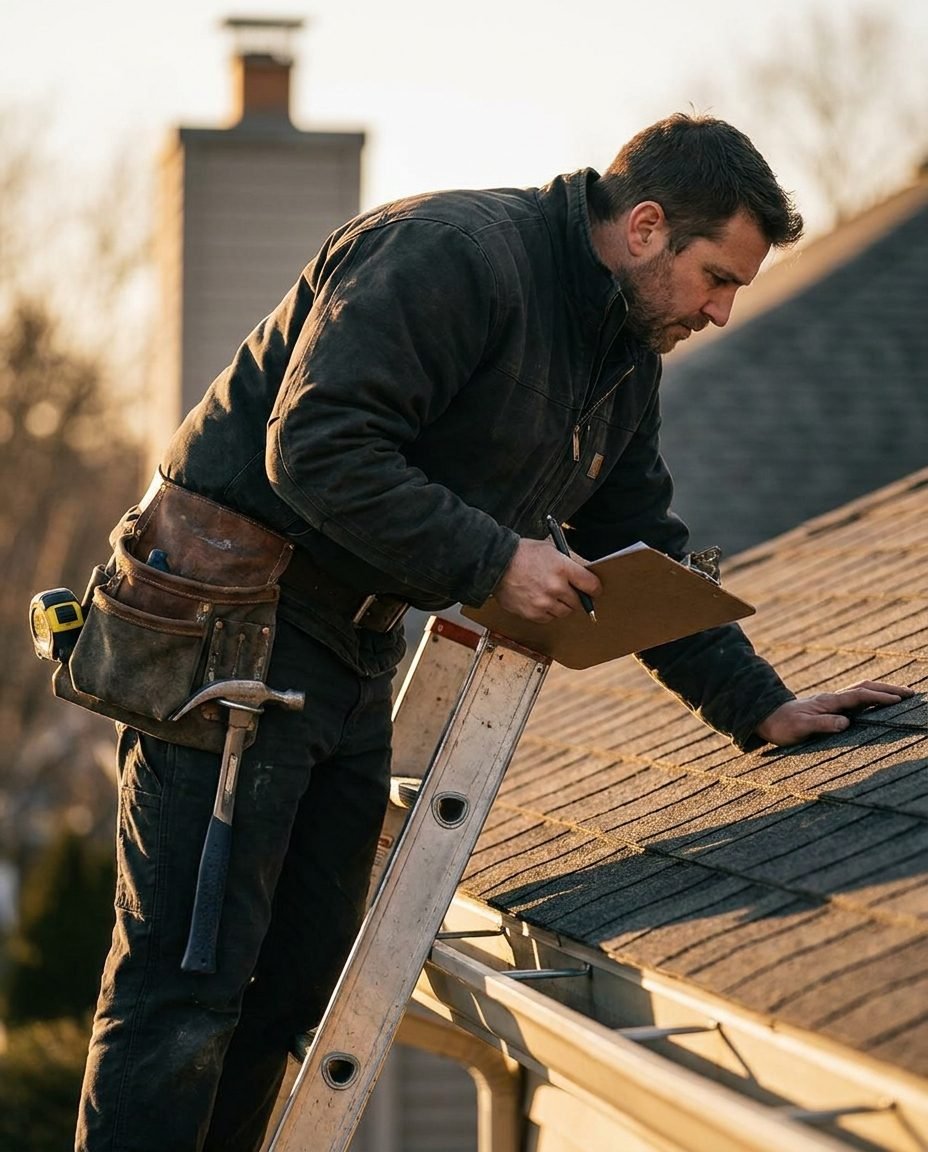
Keep the next step concrete.
- ✓Ask the contractor to show where the membrane will be installed and how it will be lapped. A named product without a location is not a complete answer.
- ✓Record the date, roof area, and weather or symptom that prompted the question.
- ✓Keep photos, invoices, and written recommendations with the roof file.
- ✓Ask when the issue needs professional roof access instead of ground-level monitoring.
Roof replacement process
The roof system should explain how water behaves before the materials are ordered.
Explore the serviceTurn the answer into a roof decision.
Use the related service pages for a property-specific conversation, then keep learning with the guides that answer the questions homeowners ask before they call.