Skylight Replacement and Leak Prevention
A skylight leak is often a flashing or roof-integration problem, not proof that the glass unit itself is broken. Replacing or repairing the right component saves homeowners from paying for a new skylight when the surrounding roof detail is the real failure.
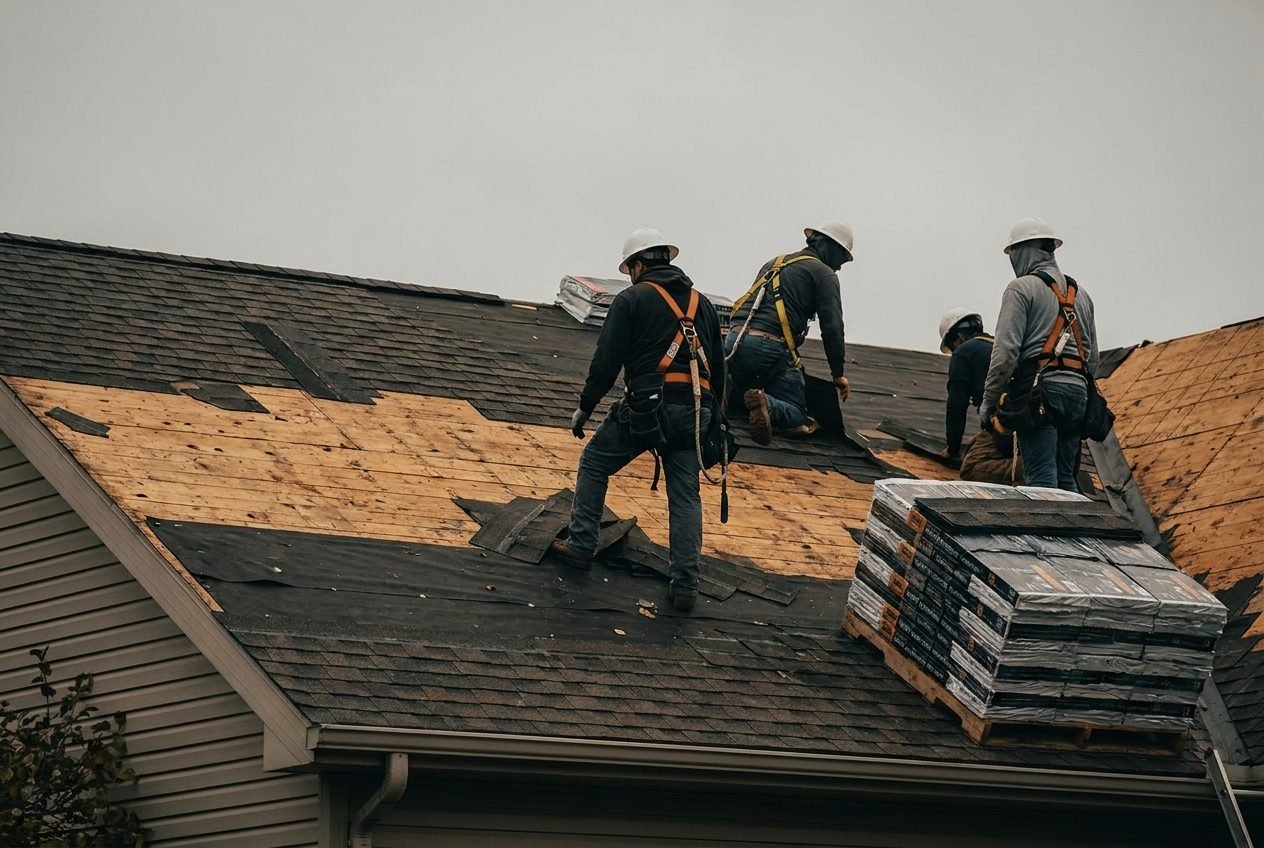
Skylight replacement removes an aging or failed unit and installs a compatible skylight with a correctly integrated curb, flashing, underlayment, and surrounding roof material. A leak inspection should first determine whether replacement, re-flashing, or a roof repair is the right solution.
Why skylights leak
Common causes include failed flashing, missing or damaged underlayment, cracked seals, condensation, blocked drainage above the unit, and roof movement around the opening. A ceiling stain near a skylight may also come from an upslope roof detail.
The first step is tracing the water path. Re-caulking the visible interior trim can make the stain look better without correcting the exterior route that lets water in.
Repair, re-flash, or replace?
Repair may be reasonable when the skylight is sound and the flashing is accessible. Re-flashing is a larger correction to the roof-to-unit detail. Replacement becomes more practical when the unit is fogged, cracked, outdated, damaged, or difficult to integrate with a planned roof replacement.
The decision should account for the roof's remaining life. Replacing a skylight on a roof that will be torn off next year may mean paying for flashing labor twice.
What the installation should show
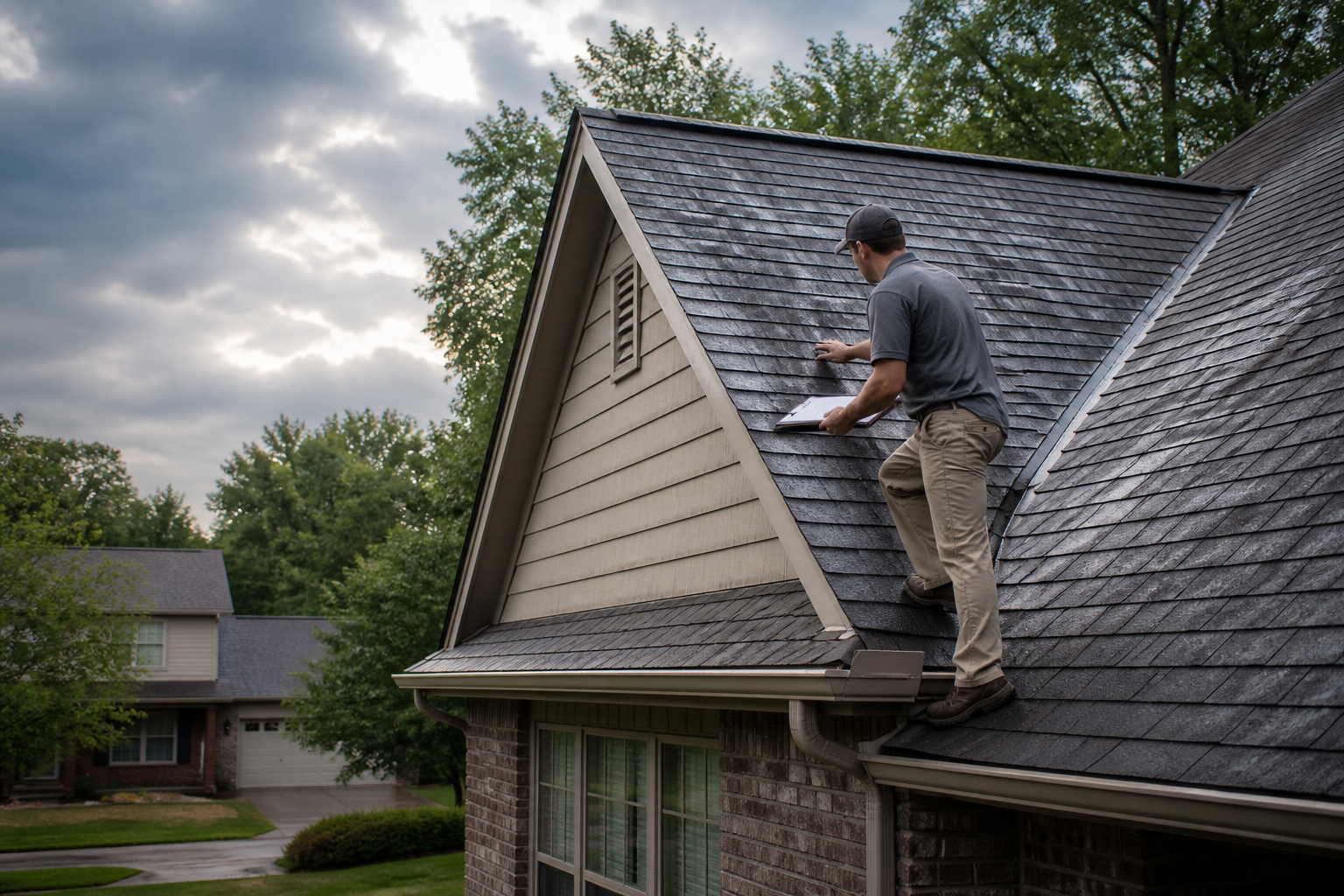
A complete scope names the skylight model or type, curb dimensions, flashing method, underlayment integration, interior finish expectations, and surrounding roof work. It also says what happens if the opening or deck is damaged once the area is exposed.
After installation, inspect the interior trim, attic area if accessible, and exterior flashing. Keep the product and warranty paperwork with your roof records.
Protecting the opening over time
Keep nearby gutters and valleys clear so water does not back up against the skylight. Watch for staining, drafts, condensation, or damaged shingles around the unit. Schedule a professional review before a small issue becomes wet insulation or damaged decking.
If you are planning solar, an addition, or a roof replacement, bring the skylight into the project conversation early. Roof penetrations are easier to coordinate before new material is ordered.
A better roof decision starts with a visible scope.
- ✓Trace the leak before buying a replacement unit
- ✓Coordinate skylight work with the roof's remaining life
- ✓Specify flashing and underlayment—not only the glass
- ✓Keep product and warranty records after installation
Turn the answer into a roof decision.
Use the related service pages for a property-specific conversation, then keep learning with the guides that answer the questions homeowners ask before they call.